
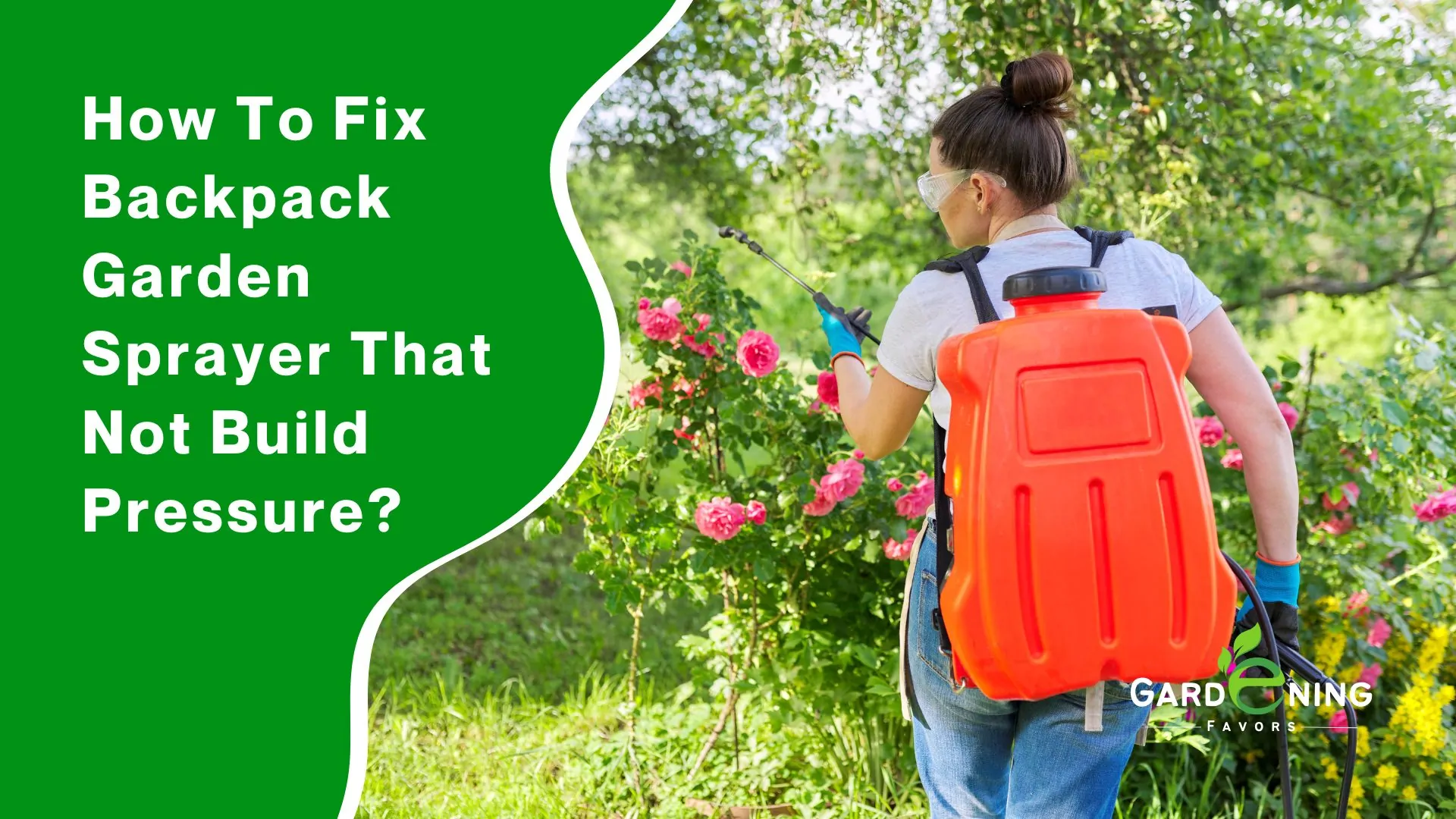
Fixing a backpack sprayer that wonโ€™t build pressure is a common challenge faced by many who rely on this essential tool for agricultural and gardening purposes. A well-functioning sprayer is crucial for the precise application of pesticides, herbicides, and fertilizers, ensuring plant health and crop productivity.

Understanding the Mechanism

A backpack sprayer operates by pressurizing the liquid inside its tank, which is then forced through a nozzle during application. The pressure is built up using either a manual pump mechanism, a battery-powered motor, or a gasoline engine, depending on the sprayerโ€™s design. The efficiency of this process is critical for the even and controlled distribution of liquids.

Common Causes of Pressure Failure

Several factors can contribute to a backpack sprayerโ€™s inability to build or maintain pressure:

  • Leakages: These can occur anywhere from the tank to the nozzle. Even a minor leak can significantly reduce the pressure build-up.
  • Wear and Tear of Seals and Gaskets: These components are crucial for maintaining pressure. Over time, they can degrade, leading to air and liquid leaks.
  • Clogged Components: The nozzles, filters, and even the pump mechanism itself can become clogged with debris or dried residues from chemicals, obstructing the flow and pressure.
  • Pump Failure: The pump is the heart of a backpack sprayer. Any damage or malfunction here can render the entire sprayer ineffective.
  • Improper Assembly or Use: Sometimes, the issue might be as simple as parts not being tightened enough or the sprayer being used in a way that it wasnโ€™t designed for.

Step-by-Step Troubleshooting Guide

To address these issues, a systematic approach is necessary:

  1. Leak Inspection: Begin with a thorough inspection of the entire sprayer for any signs of leaks. Pay special attention to areas around seals, connections, and the tank itself.
  2. Seal and Gasket Examination: Check all seals and gaskets. If they show signs of wear or damage, replacing them is often a simple and effective fix.
  3. De-clogging: Disassemble the nozzle and filter elements to clean out any blockages. For persistent clogs, soaking in a cleaning solution might be necessary.
  4. Pump Assessment: Examine the pump for any signs of damage or wear. In some cases, lubrication can help, but damaged parts may need replacement.
  5. Correct Assembly: Ensure that the sprayer is assembled correctly according to the manufacturerโ€™s instructions. All connections should be secure to prevent air from entering the system.

Types of Backpack Sprayers

Backpack sprayers are available in several types, each with its advantages and intended use cases:

  • Manual Sprayers: These are the most affordable and widely used. They require physical effort to build pressure but are simple to maintain and repair.
  • Battery-Powered Sprayers: These provide consistent pressure without manual pumping, ideal for larger areas or when ease of use is a priority.
  • Motorized Sprayers: With an engine powering the pump, these sprayers offer the highest pressure and flow rates, suitable for extensive agricultural operations.

Advantages and Disadvantages

Advantages:

  • Portability: Enables users to carry the sprayer on their back, accessing remote or difficult terrain.
  • Precision: Facilitates targeted application, reducing chemical usage and environmental impact.
  • Versatility: Can be used with a wide range of liquids, from water to more viscous fertilizers and pesticides.

Disadvantages:

  • Maintenance Needs: Regular cleaning and maintenance are crucial to prevent clogs and wear.
  • Physical Strain: Manual sprayers, in particular, can be physically demanding over extended periods.
  • Cost: High-quality or motorized sprayers can be a significant investment.

Maintenance Tips

Proper care extends the lifespan and efficiency of backpack sprayers:

  • Clean thoroughly after each use to prevent chemical residues from building up.
  • Store in a dry, shaded place to protect from weathering and UV damage.
  • Regularly inspect and replace worn parts to maintain optimal performance.

Conclusion

A backpack sprayer that wonโ€™t build pressure can often be fixed with a bit of know-how and elbow grease. Understanding the potential causes and systematically addressing them can restore functionality, saving time and resources. Given their critical role in modern agriculture and gardening, maintaining these tools in top condition is essential for achieving the best results in plant care and crop management.

Text ยฉ. The authors. Except where otherwise noted, content and images are subject to copyright. Any reuse without express permission from the copyright owner is prohibited.The content published on Gardening Favors is for informational and educational purposes only. While we strive to provide accurate, up-to-date, and well-researched material, we cannot guarantee that all information is complete, current, or applicable to your individual situation.

The articles, reviews, news, and other content represent the opinions of the respective authors and do not necessarily reflect the views of Gardening Favors as a whole. We do not provide professional, legal, medical, or financial advice, and nothing on this site should be taken as a substitute for consultation with a qualified expert in those fields.

Leave a Reply