
5 best garden tank sprayers in 2026
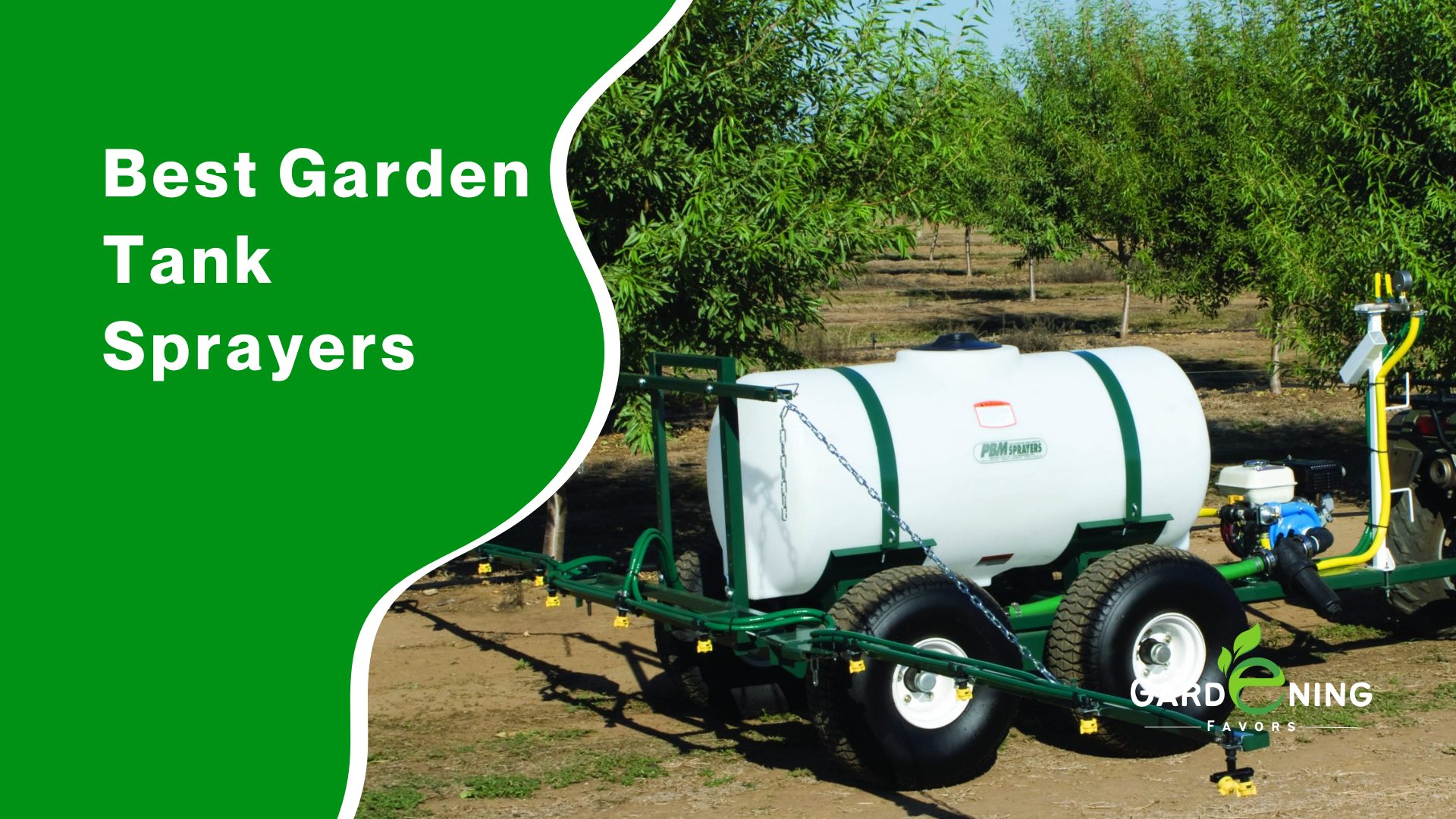
In the world of gardening, having the right tools can significantly impact the efficiency and success of your endeavors. When it comes to applying fertilizers, herbicides, or pesticides, a reliable garden tank sprayer is a must-have. In this article, we will delve into the details of the five best garden tank sprayers available in 2026, offering a range of capacities and features to meet the diverse needs of garden enthusiasts.
| Product | Title | Features | Explore |
|---|---|---|---|
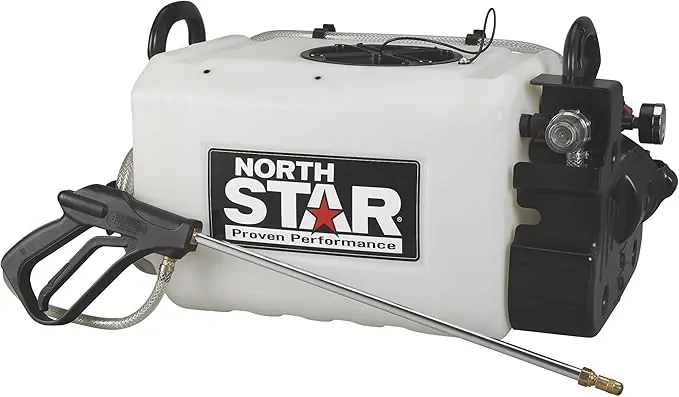 | NorthStar Spot Sprayer – 10 Gallon Capacity |
| Check Price |
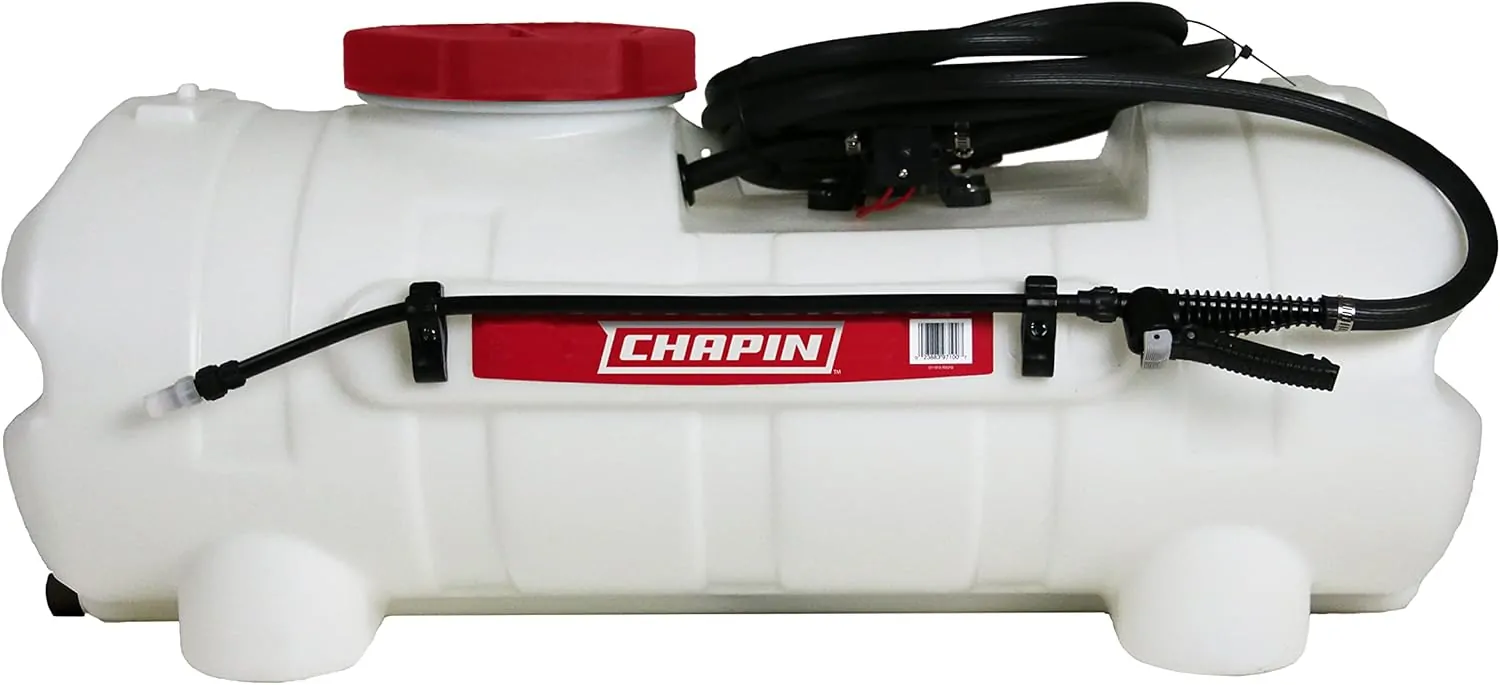 | Chapin International 97154 – 15-Gallon Translucent Tank |
| Check Price |
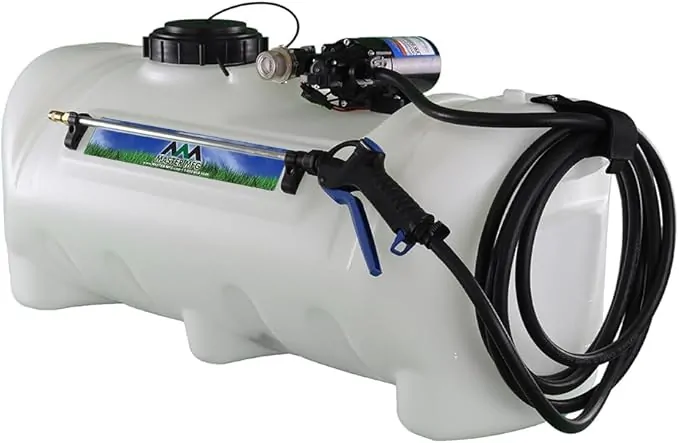 | Master Manufacturing SSO-01-025D-MM – 25-Gallon Sprayer |
| Check Price |
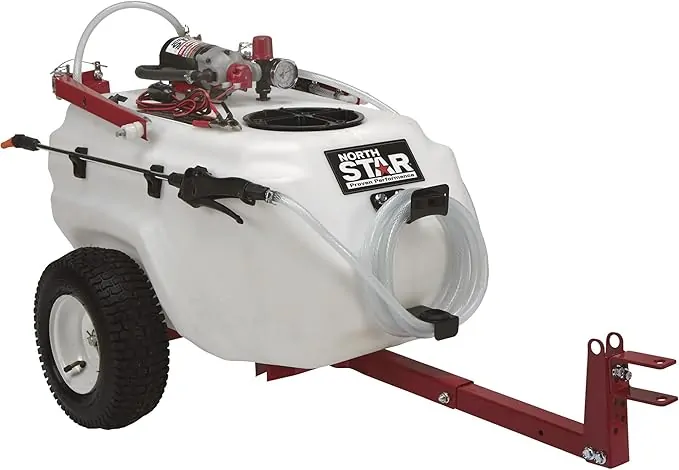 | NorthStar Tow-Behind Boom Broadcast Sprayer |
| Check Price |
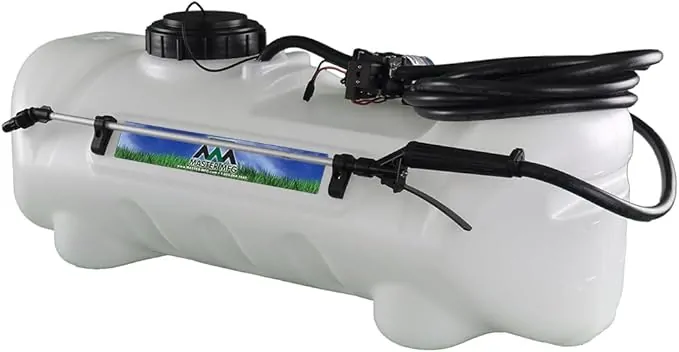 | Master Manufacturing SSN-01-015A-MM – 15-Gallon Sprayer |
| Check Price |
Which Are the 5 best garden tank sprayers?
Choosing the right garden tank sprayer can make watering, fertilizing, and pest control much easier and more effective. Garden tank sprayers come in different sizes and styles, but the best ones combine good spray power, comfortable use, and lasting quality.
1. NorthStar Spot Sprayer – 10 Gallon Capacity
The NorthStar ATV Spot Sprayer – 10-Gallon Capacity is designed for gardeners, landowners, and small farm users. It runs on a 12-volt system, usually powered by an ATV or utility vehicle battery, and delivers a strong 1.1 GPM flow rate with up to 100 PSI pressure.
expert start
This makes it a solid choice for weed control, pest control, fence lines, driveways, and spot spraying where large boom sprayers are unnecessary.
What Is It and Its Product Features
This is a 10-gallon ATV-mounted spot sprayer built around the NorthStar NSQ Series on-demand pump. The pump produces 100 PSI, which is strong enough to spray up to 25 feet in distance and 14 feet in height. The pump uses chemical-resistant Viton valves and a Santoprene diaphragm, both of which are important when you regularly spray herbicides, pesticides, or fertilizers. These materials resist damage from harsh chemicals and help the pump last longer while maintaining consistent pressure.
Why It Matters
That matters because it allows you to reach weeds, bushes, and fence rows without getting too close or overspraying. The extra-thick polymer tank is another big plus. It resists cracking, leaking, and chemical corrosion much better than thin plastic tanks. The sprayer also includes a regulator and pressure gauge, which gives you control over spray output depending on the job. The deluxe trigger spray gun, fitted with a brass adjustable nozzle, allows you to switch between cone and stream spray patterns, making it suitable for both wide coverage and precise targeting.
My Set-Up and My Experience
The sprayer is lightweight at just 9.6 pounds, and the handles make it easy to lift and place on my ATV. I mainly use it for smaller garden jobs where mixing 2-3 gallons of spray is sufficient. The sprayer performed well even when spraying large volumes. I applied 24 gallons of grass killer, and another time 96 gallons, without any pump failures or major issues. The deluxe spray gun and adjustable nozzle provided excellent coverage and control, whether I was targeting weeds in tight garden beds or spraying larger open areas. One small adjustment I made was tilting the tank slightly when it reached the bottom 1–1.5 gallons of liquid.
Performance
The 1.1 GPM pump ensures a strong flow, making spraying fast and efficient. The pressure regulator and gauge allow precise control over spray patterns, which is especially important when dealing with delicate garden plants or targeted weed control. The sprayer handles different chemicals without corrosion or leaks, thanks to its chemical-resistant components. The deluxe trigger gun makes operation easy and comfortable, even during longer gardening sessions. Its compact design and 15-foot hose allow me to reach around flower beds and garden corners without constantly repositioning the ATV.
Practical Tips
- Always replace the factory hose clamp with a stronger one
- Slightly tilt the tank when spraying low volumes
- Clean the suction strainer regularly for smooth flow
- Use the pressure gauge to match spray rate to chemical needs
- Flush the system with clean water after chemical use
expert end
pro start
| Pros | Cons |
|---|---|
| ✔️ Large 15-gallon tank reduces refilling | ❌ Pump flow is limited for heavy spraying |
| ✔️ No manual pumping required | ❌ Some liquid may splash near lid during transport |
| ✔️ Long spray reach for garden edges | ❌ Not ideal for large broadcast spraying |
| ✔️ Easy to mount on mower or ATV | ❌ Hose length may feel short for some users |
| ✔️ Comfortable for users with back pain | ❌ Basic filtration system needs care |
pro end
2. Chapin International 97154 – 15-Gallon Translucent Tank
The Chapin 97154 15-Gallon ATV/UTV Tank Sprayer is designed to build for people who want wide coverage without constant pumping. After using many gardening and spraying products, this one stands out as a time-saving and labor-reducing solution for larger jobs.
expert start
What Is It and Its Features
The Chapin 97154 is a battery-powered spot sprayer that mounts on most ATVs, UTVs, or lawn tractors. It uses a 15-gallon translucent poly tank, which allows you to see the liquid level while working. One of the most important features is the 12V, 1.0 GPM diaphragm pump. Unlike hand-pump sprayers, this pump delivers consistent pressure up to 60 PSI, meaning the spray stays even from start to finish. This is extremely helpful when applying herbicides or fertilizers where uneven spraying can cause damage. With a 15-gallon heavy-duty poly tank, a 12V diaphragm pump, and ATV/UTV mounting capability, it is clearly made for serious outdoor spraying tasks like weed control, fertilizing, and pest treatment.
Why It Matters
The sprayer also includes triple-stage filtration: a filter basket, an in-tank filter, and a shut-off filter. These filters reduce clogging, especially when using concentrates or mixed solutions. The 15-foot reinforced PVC hose gives excellent reach, and the 18-inch curved poly wand makes it easy to spray along fence lines, trees, and hard-to-reach areas. Another big plus is the 6-inch wide tank opening, which makes filling, mixing, and cleaning much easier. No struggling with funnels or spills.
My Set-Up and My Experience
During my first use, I applied weed killer along my gravel driveway and around garden beds. The 15-foot hose allowed me to reach tight corners without repositioning the ATV constantly. I also experimented with fertilizing my lawn, and the diaphragm pump provided consistent pressure, producing an even spray pattern across wide areas. I was particularly impressed with the triple filtration system, which kept the nozzle from clogging even when I used liquid fertilizers with small particles. The sprayer is lightweight considering its size, and the design made it comfortable to operate for extended periods
Performance
Performance-wise, the Chapin 97154 exceeded my expectations. The 1.0 GPM diaphragm pump delivered a strong and steady stream at up to 60 PSI, which is powerful enough for fertilizers, pest sprays, or herbicides. The triple filtration system ensured that no clogs interrupted spraying, even with slightly thicker liquids. The 18-inch curved wand allowed precise application under shrubs or along fences, and the 15-foot hose gave enough flexibility to move around without having to reposition the ATV constantly.
Practical Tips (Small Bullet Points)
- Always tighten the drain cap firmly before filling
- Avoid spraying chemicals near ATV tires
- Use the filtration system to prevent nozzle clogs
- Rinse the tank and hose after chemical use
- Use concentrates to save money and reduce refills
expert end
pro start
| Pros | Cons |
|---|---|
| ✔️ Powerful 12V diaphragm pump | ❌ Drain cap can leak if not tightened |
| ✔️ Large 15-gallon chemical-resistant tank | ❌ No boom included by default |
| ✔️ Long 15-foot hose with good reach | ❌ Plastic fittings feel basic |
| ✔️ Triple filtration reduces clogging | ❌ Requires battery power source |
| ✔️ Complete wiring kit included | ❌ Hand-tightening is often not enough |
pro end
3. Master Manufacturing SSO-01-025D-MM – 25-Gallon Sprayer
Gardening and yard work can be time-consuming, especially when dealing with weeds, trees, and other hard-to-reach areas. The 25-Gallon Deluxe UTV & ATV Spot Sprayer by Master Mfg is designed to make these tasks easier. With a 25-gallon tank, a robust 2,2GPM Everflo 12V diaphragm pump, and an adjustable spray gun, this sprayer promises efficiency and flexibility for gardeners.
expert start
Its white, UV-resistant polyethylene tank and brass nozzle make it durable and suitable for various applications, from weed control to chemical spraying.
What Is It and Its Product Features
This sprayer is equipped with a 2.2GPM Everflo 12V diaphragm pump that provides up to 70 PSI, ensuring strong, consistent spray pressure. The spray gun adjusts from a fine mist to a focused stream, allowing precision in different applications. It includes a built-in inline strainer to prevent debris from clogging the pump, a hook-and-loop hose strap to keep the hose organized, and quick-grip handles for easy transport. The sprayer can reach up to 25 feet vertically and 30 feet horizontally, making it highly versatile for spot spraying around trees, tall plants, and hard-to-reach areas. It can also be upgraded to a broadcast sprayer with additional boom kits if wider coverage is needed.
Why It Matters
The sprayer also includes a 15-foot hose for flexibility, a quick-attach inline strainer to prevent debris from entering the pump, and a hook-and-loop hose strap to keep the hose organized and prevent damage. Quick-grip handles and a molded drain port make filling, emptying, and transporting the tank simple. It can be mounted on ATVs, UTVs, or other vehicles, making it perfect for large yards or farms. Additionally, it can be upgraded to a broadcast sprayer with extra kits if needed. This product matters because it saves time, reduces manual labor, and allows precision in spraying.
My Set-Up and My Experience
For my setup, I attached the sprayer to my UTV to manage scattered garden plots and small weed-infested areas around my property. I first tested the unit with water and was pleased to find no leaks. The 15-foot hose provided decent flexibility, although I later replaced it with a longer hose for reaching farther areas without moving the UTV constantly. The brass adjustable nozzle worked perfectly for changing spray patterns quickly, which is especially useful when switching from light herbicide spraying to watering or other garden tasks.
Performance
It maintained consistent pressure while spraying, even when using thicker garden solutions. The adjustable spray gun allowed me to move from a fine mist for delicate seedlings to a strong stream for weeds and fence lines. Pumping around 12 gallons of herbicide in an hour was effortless, and the 2.2GPM pump made short work of larger spots. For gardeners managing multiple areas or uneven terrain, the sprayer’s power and versatility are major advantages. The unit also handled longer periods of use without overheating, though I learned to monitor the wiring and ensure proper gauge connections to prevent overloading.
Practical Tips
- Consider replacing the 15-foot hose with a longer one if you need to reach distant spots.
- Use a pressure regulator if spraying delicate areas to prevent damage to seedlings or loose soil.
- Always clean the inline strainer after each use to prevent clogs.
- Mount securely on your ATV/UTV for stability and easy mobility.
- Check the pump wiring and connections if using for extended periods to avoid electrical issues.
expert end
pro start
| Pros | Cons |
|---|---|
| ✔️ Easy to set up and assemble. | ❌ 15-foot hose may be too short for some applications. |
| ✔️ Adjustable brass nozzle for mist or stream. | ❌ Pump wiring may need upgrading for heavy use. |
| ✔️ Durable UV-resistant tank. | ❌ Spray pressure may disturb loose soil or seeds. |
| ✔️ Works with ATV, UTV, or other transport. | ❌ Slight learning curve for optimal spray technique. |
| ✔️ Quick-attach inline strainer prevents clogs. | ❌ Broadcast sprayer upgrade kits sold separately. |
pro end
4. NorthStar Tow-Behind Boom Broadcast Sprayer
The NorthStar ATV Spot Sprayer is a compact, portable sprayer ideal for small to medium-sized garden applications. Its standout feature is the high-pressure NorthStar NSQ Series quick-connect on-demand pump, which generates 100 PSI, allowing for fast and thorough coverage. The pump valves are made from chemical-resistant Viton, ensuring faster priming and longer life, while the Santoprene diaphragm adds reliability and chemical resistance.
expert start
What Is It and Its Features
A deluxe trigger spray gun with an adjustable stream-to-cone brass nozzle allows fine-tuning of spray patterns, reaching up to 25 feet in distance and 14 feet in height. The sprayer also includes a 15-foot hose, making it easier to reach tight spots without moving the ATV frequently.
Why It Matters
These features matter because they give gardeners precise control over application, reduce waste, and ensure the sprayer withstands chemicals commonly used in garden maintenance, from herbicides to fertilizers. The extra-thick polymer tank provides resistance to cracks, leaks, and chemical corrosion, making this sprayer durable for long-term gardening use.
My Setup and Experience
The sprayer is lightweight at just 9.6 pounds, and the handles make it easy to lift and place on my ATV. I mainly use it for smaller garden jobs where mixing 2-3 gallons of spray is sufficient. The sprayer performed well even when spraying large volumes. The deluxe spray gun and adjustable nozzle provided excellent coverage and control. One small adjustment I made was tilting the tank slightly when it reached the bottom 1–1.5 gallons of liquid. This ensured the pickup tube could collect most of the remaining spray.
Performance
Performance is where the NorthStar ATV Spot Sprayer truly shines. The 1.1 GPM pump ensures a strong flow, making spraying fast and efficient. The pressure regulator and gauge allow precise control over spray patterns, which is especially important when dealing with delicate garden plants or targeted weed control. The sprayer handles different chemicals without corrosion or leaks, thanks to its chemical-resistant components. The deluxe trigger gun makes operation easy and comfortable, even during longer gardening sessions. Its compact design and 15-foot hose allow me to reach around flower beds and garden corners without constantly repositioning the ATV.
Practical Tips for Gardeners
- Always check hose clamps and connections for leaks before use.
- Tilt the tank slightly when spraying low volumes to ensure full pickup.
- Clean the suction strainer after each session to prevent clogs.
- Adjust the spray pattern according to the task—use cone for coverage, stream for spot treatment.
- Store the sprayer in a shaded area to prolong tank and pump life.
expert end
pro start
| Pros | Cons |
|---|---|
| ✔️ High-pressure 1.1 GPM pump | ❌ Drain cap prone to leaks |
| ✔️ Durable chemical-resistant tank | ❌ Pickup tube could be longer |
| ✔️ Adjustable spray gun for precision | ❌ Hose clamp may leak under pressure |
| ✔️ Easy to lift and transport | ❌ No instruction manual included |
| ✔️ 15-foot hose for extended reach | ❌ Limited tank well for low-volume spraying |
pro end
5. Master Manufacturing SSN-01-015A-MM – 15-Gallon Sprayer
The Master Manufacturing 15-Gallon UTV & ATV Spot Sprayer is designed for gardeners, landowners, and small farm users. This sprayer comes with a 15-gallon translucent tank, an Everflo 1,0 GPM 12-volt diaphragm pump. It is made to mount on ATVs, UTVs, riding mowers, or utility carts, making it a good option for people who want less physical strain while gardening.
expert start
What Is It and Its Product Features
This is a battery-powered spot sprayer mainly used for weed control and garden spraying. The 15-gallon capacity is ideal for medium to large garden areas because it reduces frequent refilling. The tank is made of UV-resistant polyethylene, which helps prevent damage from sunlight and makes it durable for outdoor use.
Why It Matters
The heart of the system is the Everflo 1.0 GPM 12V diaphragm pump, which automatically turns on and off based on pressure. This means there is no manual pumping required. When you squeeze the spray gun, the pump activates and delivers a steady spray. When you release it, the pump shuts off. The adjustable spray gun allows switching from a fine mist to a stronger stream. This matters in gardening because misting is useful for delicate plants, while a stronger stream works better for weeds along fence lines or hard-to-reach areas.
My Set-Up and My Experience
I mounted the tank securely on my riding mower using a simple wooden base and ratchet straps. The setup was stable and did not move during use. Connecting the 12V wire harness to the mower battery was quick and simple using the alligator clips provided. During use, I sprayed long garden beds, fence lines, and problem weed areas without stopping to refill. Cleanup was also easy because of the molded drain port, which allows full drainage after spraying.
Performance
For gardening tasks, the performance is reliable and consistent. The 1.0 GPM pump delivers enough pressure for spot spraying weeds and garden edges. It sprays smoothly and maintains steady pressure without pulsing. The automatic pressure control saves time and effort, especially during long spraying sessions.. The adjustable nozzle allowed me to control overspray near plants, which is important when spraying herbicides around garden beds. For most home gardeners, the performance is more than sufficient.
Practical Gardening Tips
- Always use a fine mist near flowers and vegetables to avoid chemical drift
- Secure the tank tightly to avoid liquid movement while driving
- Clean the hose and spray gun after every gardening session
- Use a filter or strainer to prevent debris from damaging the pump
- Do not overfill the tank; leave space to reduce sloshing
expert end
pro start
| Pros | Cons |
|---|---|
| ✔️ Large 15-gallon tank reduces refilling | ❌ Pump flow is limited for heavy spraying |
| ✔️ No manual pumping required | ❌ Some liquid may splash near lid during transport |
| ✔️ Long spray reach for garden edges | ❌ Not ideal for large broadcast spraying |
| ✔️ Easy to mount on mower or ATV | ❌ Hose length may feel short for some users |
| ✔️ Comfortable for users with back pain | ❌ Basic filtration system needs care |
pro end
Garden Tank Sprayers in 2026: Gardener’s Guide
Garden sprayers make plant care easier by letting gardeners apply water, fertilizers, pesticides and other liquid treatments evenly and efficiently. These hand-pump tanks free you from watering cans or hoses when precision is needed.
Garden sprayers come in various styles. A typical hand-pump model (left) and a rechargeable battery sprayer (right) help gardeners apply water or chemicals evenly across plants. According to gardening experts, a sprayer “has revolutionized the way we care for our plants,” letting even amateur gardeners distribute solutions across their gardens with minimal effort.
Sprayers are useful whether you tend a small backyard plot or a larger landscape, as they streamline watering, feeding and pest control tasks. For example, rather than carrying heavy watering cans, a single pump‑sprayer lets you cover many plants quickly and precisely, avoiding missed spots or over-watering.
The popularity of sprayers is growing. A recent market report notes the global garden sprayer market was about $2.1 billion in 2024 and is forecast to reach nearly $3.7 billion by 2033 (about 6% annual growth). This rise reflects trends like the boom in urban gardening and demand for user-friendly, eco-conscious tools.
In fact, modern sprayers now often feature ergonomic designs, adjustable nozzles and battery-powered pumps to make home gardening more convenient. All of these developments show that many gardeners find a garden tank sprayer worthwhile.
Why Use a Lawn Tank Sprayer?
Lawn tank sprayers provide several key benefits. First, they ensure even coverage. When you spray plants, the fine mist covers leaves and soil uniformly. This helps fertilizers and pesticides work effectively while avoiding runoff or puddling. As one source explains, sprayers let gardeners “distribute water, fertilizers, pesticides, and other solutions evenly across their gardens with minimal effort”. That level of control is hard to match with a watering can or hose alone.
Second, sprayers save time and labor. Pumping or triggering a sprayer is generally faster than hand-watering many plants. It also lets you reach higher or farther areas (using a wand) without climbing or moving heavy cans. For example, a single tank may cover dozens of potted plants or a large flowerbed in one go. This is especially useful for applying pest control or nutrients uniformly over a vegetable patch or ornamental border.
Third, sprayers are versatile. You can fill the tank with plain water for rinsing or with mixed fertilizers, herbicides or insecticides, as long as the product is suitable for spraying. Many gardeners use sprayers for foliar feeding (spraying nutrients on leaves) because it accelerates plant uptake. They can also target stubborn weeds or pests in one pass.
Finally, modern trends show garden sprayers are here to stay. The market is growing fast, driven by smart features and sustainable designs. Battery-powered models, for instance, “eliminate the need for manual pumping” and deliver uniform pressure without user fatigue. This means a gardener can spray continuously for hours on a single charge, making larger projects more manageable. In short, whether you’re a hobbyist or a commercial landscaper, a garden tank sprayer can make plant care more effective and convenient.
How a Garden Tank Sprayer Works
A garden tank sprayer is essentially a pressurized container with a nozzle. The most common type is a hand-pump sprayer. It has a tank to hold liquid and a hand-operated pump (often built into the lid or wand). When you pump the handle or lever, you compress air inside the sealed tank. That trapped air builds pressure above the liquid. Then, when you squeeze the trigger or open the valve on the nozzle, the pressure forces the liquid up a hose and out the nozzle as a spray.
This pumping action must be repeated as you spray. As one guide notes, “Handheld garden sprayers pressurize the air that is left in the tank once you fill it with liquid. As the sprayer empties, the amount of air increases, meaning you will have to stop to pump more often”.
In practice, this means you fill the tank (leaving room for air), pump until firm, spray until the stream weakens, then pump again. Most sprayers have an adjustable nozzle tip: twisting or replacing the tip lets you switch from a narrow stream (for spot treatment) to a wide mist (for covering many plants). This versatility is handy – for example, a fine mist is ideal for delicate seedlings, while a stronger jet can reach weeds in lawn cracks.
In contrast to manual models, battery-powered sprayers use a small electric pump. When turned on, the motor pressurizes the tank automatically. This provides a steady spray without continuous hand pumping. A report explains that battery sprayers “provide consistent pressure throughout the application process” and often run for hours on a single charge, reducing operator fatigue.
These powered units may include extra features like pressure gauges or extended hoses, but they operate on the same principle: stored energy pushes the liquid out. (There are also gasoline-powered sprayers for very large jobs, but these are heavier and mainly used in commercial agriculture.)
In summary, a garden tank sprayer transforms liquids into a fine spray by using air pressure (or a pump) in a sealed tank. The key components are the tank, the pressurizing pump, and the nozzle wand. By understanding this, gardeners can operate any sprayer safely and effectively.
Advantages & Disadvantages of Lawn Tank Sprayers
Together, these advantages explain why many gardeners favor tank sprayers. They provide a cost-effective, low-effort way to apply treatments accurately. In recent years, innovations like better nozzles, ergonomic handles and battery-assist functions have made them even more user-friendly. Garden tank sprayers offer many advantages for home gardeners and small farms:
Some advantages are here:
i. Affordable and Simple: Pump sprayers cost much less than powered machines. They have a simple design with few parts, so they are easy to use. For someone on a budget or needing a tool for occasional use, a basic tank sprayer is a practical choice.
ii Lightweight and Portable: Without batteries or engines, manual sprayers are very light. One analysis notes that “manual sprayers do not contain motors or batteries, thus this type of sprayer is lighter… making it easier to work with for long hours”. The compact size lets you carry them around beds, up steps or into greenhouses without strain.
iii. No Power Needed: A key benefit is independence from electricity or fuel. You can work anywhere — fields, greenhouses or even remote garden corners — as long as you can pump by hand. This also makes pump sprayers very eco-friendly: they produce no fumes or emissions, relying only on your muscle power. (In fact, one source proudly calls a manual sprayer “eco-friendly equipment” because it uses no fuel.)
iv. Low Maintenance: With only a few components (tank, pump, hose, nozzle), hand-pump sprayers are easy to clean and maintain. There’s no engine oil to change or filters to replace. Just rinse after use and check seals. This reliability means fewer breakdowns over time.
v. Quiet Operation: Unlike gasoline sprayers, manual tanks are almost silent. One review points out that hand-pump sprayers are “extremely quiet,” which is ideal for home and garden use. You won’t disturb neighbors or wildlife with loud noise.
vi. Precision for Small Spaces: The fine control of a wand lets you target specific plants or weeds. You can aim sprays into flower beds or around delicate seedlings without soaking the whole area. This makes pump sprayers especially good for small gardens, container plants or spot-treatments. (For broad coverage on large lawns, a powered or wheeled sprayer might be better
Disadvantages of Garden Tank Sprayers
Despite their many benefits, garden tank sprayers have a few drawbacks:
i. Requires Physical Effort: You must pump the handle repeatedly to keep pressure in the tank. As one industry guide notes, “Manual sprayers have to be pumped continuously to maintain pressure, making it tiresome” over time. For just a few plants this is fine, but if you have a large area, pumping can become tiring.
ii. Limited Coverage / Slow Application: Because of the manual pumping and relatively small tank size, hand sprayers cover less ground than powered units. One analysis observes that pump sprayers are “more time-consuming and less effective than power sprayers,” making them “less suitable for large-scale farming”. In practical terms, you’ll need to take breaks to pump and refill, so spraying a big backyard can take longer.
iii. Uneven Spray Pressure: When you first pump the sprayer, the pressure (and spray power) is high. As the tank empties, pressure drops and the spray weakens. This inconsistency means you must pump more often to keep a steady stream. By contrast, battery or gas sprayers give a constant output without manual pumping. In short, hand sprayers can deliver a strong blast at first and then a trickle if not recharged.
iv. Frequent Refilling: Most hand-pump tanks hold 1–5 liters. For big jobs, you’ll refill many times. That interrupts work and means carrying more water or chemicals. By comparison, a backpack or wheeled sprayer might hold 15–20 liters.
v. Not for Large-Scale Use: All these limitations add up: manual tank sprayers are ideal for home gardens and small plots, but they simply aren’t designed for field-scale work. One guide summarizes, “[Manual sprayers are] suitable for home gardening since they are cheap and accurate, though they require more work”. If you have acreage to cover, a powered sprayer or agricultural equipment would be a better choice.
Understanding these disadvantages helps set expectations. For most homeowners or hobbyists, the trade-offs are acceptable because they rarely need to spray large areas continuously. The key is to use the right tool for the job: tank sprayers excel at precision and convenience on a moderate scale.
Tips for Using a Garden Tank Sprayer
By following these steps, you’ll maintain safety and get the most uniform application from your garden tank sprayer. A little care and attention go a long way in preserving the equipment and protecting yourself and your plants. To get the best results and stay safe with a tank sprayer, follow these tips:
1. Mix and Fill Carefully: Always read the product labels first. Measure and dilute fertilizers or pesticides according to instructions. Pour the mix into the sprayer, but do not fill it completely. Leave about one-third of the tank empty for air. This space is needed to build up pressure when you pump.
2. Secure and Pump: Tighten the lid firmly. Pump the handle up and down until you feel strong resistance. This pressurizes the tank. If the sprayer has a locking pin, twist it to lock the handle in place before spraying.
3. Adjust the Nozzle: Twist or swap the nozzle tip to get the spray pattern you want. A wide fan spray is good for covering broad areas (like lawns or large flower beds), while a narrow stream is better for targeting individual plants or weeds. Spray Technique: Walk at a steady pace and wave the nozzle in an even sweep, overlapping each pass slightly to avoid missed spots. For example, zigzag slowly across your lawn, ensuring full coverage.
4. Wear Protection: Spraying often involves chemicals, so personal protective equipment (PPE) is crucial. Always wear chemical-resistant gloves, long sleeves and pants. If the label warns of eye or inhalation hazards, also use safety goggles and a mask. In one expert’s advice, a safe PPE setup includes “jeans, a long-sleeve shirt and gloves,” and at least safety glasses when spraying in windy conditions.
5. Check Conditions: Spray on a calm day when there is little wind to avoid drift onto non-target plants. Early morning or late afternoon is best — avoid the heat of midday so the spray doesn’t evaporate too quickly.
6. Release Pressure Carefully: When you stop spraying, always release the pressure before opening the tank. Some sprayers have a pressure-release valve; if not, carefully loosen the lid to let air out slowly. This prevents a burst of liquid from spraying back at you. Always tilt the opening away from your face when relieving pressure or refilling.
7. Clean After Use: Rinse the sprayer immediately after use. Drain the tank and flush it with clean water, spraying out any remaining solution until the water runs clear. Also clean the nozzle, filter and hose if possible. Thoroughly rinsing “the tank, hoses, and nozzles with clean water” removes residue that could clog the system or cause corrosion. If you used strong chemicals (like herbicides), you may need a special cleaning solution. Proper cleaning protects your sprayer’s longevity and ensures old chemicals don’t contaminate future mixes.
8. Store Properly: Store the cleaned sprayer in a cool, dry place away from sunlight. If it’s battery-powered, remove or charge the battery per the manufacturer’s guidance. Regularly inspect seals, gaskets and moving parts for wear.
Conclusion
In conclusion, the right garden tank sprayer for you depends on the scale and nature of your gardening tasks. Whether you prioritize capacity, transparency, efficiency, or versatility, these top five sprayers for 2024 offer reliable options to elevate your gardening experience. Remember to follow proper maintenance procedures and adhere to manufacturer guidelines to ensure the longevity and optimal performance of your chosen garden tank sprayer. Happy gardening!
Frequently Asked Questions (FAQs) and Concepts
1. Are these garden sprayers suitable for organic gardening practices?
Yes, all the mentioned garden sprayers are suitable for organic gardening practices. Their design and materials are compatible with organic substances. However, always clean the sprayers thoroughly between different applications to avoid cross-contamination of substances.
2. Can these sprayers handle different types of liquids?
Certainly. These sprayers are designed to handle a variety of liquids, including concentrated solutions. Always refer to the manufacturer’s guidelines and ensure proper cleaning after each use to maintain optimal performance. Additionally, it’s advisable to flush the system with water after using concentrated solutions to prevent any residue build up.
