Rainbows In The Meadow: Red, Yellow, And Green
- Rainbows in the meadow are no longer just a poetic image.
- According to the Royal Horticultural Society’s 2024 Biodiversity in Garden Landscapes report, colorful mixed-flower meadows support up to 3 times more pollinator species than traditional lawns, making them one of the most ecologically valuable garden choices available today.
- A well-planned red, yellow, and green meadow garden does far more than please the eye, it creates a self-sustaining mini-ecosystem that feeds bees, butterflies, and birds across every season.


Rainbows in the meadow, specifically the combination of red, yellow, and green, represent a color framework that works at both the biological and visual level. Red flowers draw hummingbirds and certain butterfly species.
Yellow blooms are among the strongest attractors for bees. Green foliage and grasses tie every element together while providing structure, texture, and visual rest for the eye. This article will walk you through exactly how to build, plant, maintain, and evolve a meadow using these three color families across every season.
Why Colorful Meadows Are Capturing Gardener’s Attention
The appeal of a colorful meadow goes far beyond aesthetics. A 2025 study published in the journal Ecological Applications found that mixed-color wildflower meadows increased local bee abundance by 47% compared to single-species grass lawns within just two growing seasons.
Rainbows in the meadow are not an accident of nature — they are the result of layered plant diversity, thoughtful color combinations, and an understanding of how different plant families interact over time.
Red, yellow, and green are the dominant color threads in most naturally occurring meadow landscapes. Red draws in long-distance pollinators like hummingbirds and butterflies. Yellow signals high-nectar availability to bees. Green provides the structural backbone that holds the whole visual composition together. When a gardener understands this color logic, meadow planting stops feeling like guesswork and starts feeling like a craft.
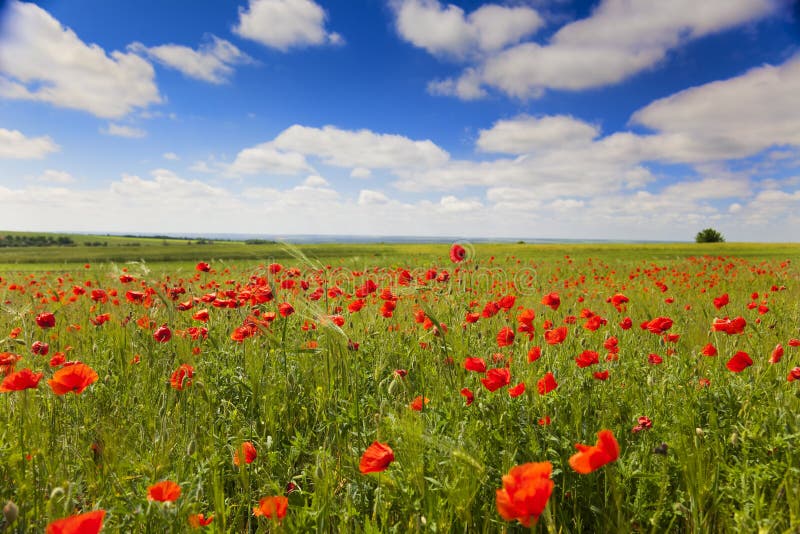
Understanding the Theme “Rainbows In The Meadow”
A meadow rich in red, yellow, and green does not stay static — it shifts its dominant hues week by week as different species reach their bloom peak, creating a slow, living color show across the entire growing season. Understanding why this happens, and how to replicate it intentionally, is the foundation of every successful meadow planting decision.
What Makes a Meadow Look Like a Rainbow
A true meadow color palette (the range of hues created by layering different plant species across vertical and horizontal space) does not happen by accident. Natural meadows develop color through three distinct mechanisms. First, different species bloom at different heights — ground-hugging clovers at ankle level, mid-height coreopsis at knee level, and tall sunflowers above — which creates a stacked visual effect.
Second, seasonal succession means some plants bloom in spring, others peak in summer, and still others hold color into autumn, so the meadow changes its dominant hue every few weeks. Third, the interaction between flowering plants and surrounding grasses or foliage plants creates a living contrast that makes every individual color appear more saturated than it would in isolation.
Seasonal color transitions are one of the most rewarding features of a well-planted meadow. Early spring brings the pale yellow of evening primrose and the soft greens of new grass blades. Late spring introduces the bold reds of poppies and bee balm.
By midsummer, the meadow hits its chromatic peak, with deep yellows from goldenrod and black-eyed Susan offsetting the scarlet of blanket flowers and cardinal flowers. Autumn softens everything into gold and copper, with seed heads adding texture after the blooms fade.
- Flowering plants provide concentrated color points that act as focal anchors across the meadow.
- Ornamental grasses offer movement and a neutral green-gold background that prevents visual chaos.
- Foliage plants like ferns add dense, cool-toned green that gives the eye a resting place between bright blooms.
Why Red, Yellow, And Green Work Together
Color theory in garden design is not abstract — it has direct functional roots. Red and yellow are analogous warm colors that sit close together on the color wheel, creating energy and visual warmth.
Green is the complementary neutral that balances them both, preventing the combination from overwhelming the viewer’s senses. This three-color scheme is sometimes called the triadic warm palette in garden design, and it is exactly what makes summer meadows feel so naturally alive.
Psychologically, red commands immediate attention and creates urgency in the viewer — it is the first color the human eye detects at a distance. Yellow radiates optimism and warmth, slowing the eye down and encouraging it to linger.
Green signals growth and safety, providing cognitive calm that allows the other colors to feel exciting rather than chaotic. Together, they produce what landscape designers describe as a “dynamic equilibrium” — a composition that energizes without exhausting.
A meadow that gets its green right will make its reds and yellows sing. Strip out the green structure and you are left with noise instead of music.
Red Flowers That Brighten the Meadow
Choosing the right red species, and placing them correctly within the meadow’s layout, determines whether red reads as bold and energizing or simply overwhelming. The five plants below cover the full range of red tones, bloom times, and ecological functions you need to build a lasting red presence across the growing season.
Best Red Meadow Flowers
Red is the signature drama color in any meadow planting. The following species deliver reliable red tones across different bloom times, ensuring the meadow does not lose its boldest color at any point in the growing season.
a. Poppies (Papaver rhoeas) bloom in late spring and early summer, producing tissue-paper-thin petals in vivid scarlet. They are annuals that self-seed freely, so a single planting year often leads to naturalized colonies.
b. Bee balm (Monarda didyma) is a native perennial that blooms from midsummer into early autumn, producing spiky, tubular red flowers that hummingbirds visit with remarkable regularity.
c. Red clover (Trifolium pratense) is technically a reddish-pink, but in a meadow context it reads as a warm red and provides nitrogen fixation (the conversion of atmospheric nitrogen into plant-usable soil nutrients) as a bonus ecological function.
d. Blanket flower (Gaillardia) produces daisy-like blooms with red and yellow banding, bridging both color zones simultaneously and blooming from early summer to frost.
e. Cardinal flower (Lobelia cardinalis) thrives in moist areas and sends up spires of brilliant red from July through September, making it essential for late-season color when most reds have faded.
How Red Flowers Attract Pollinators
Red flowers work through a highly specific biological mechanism to attract their target pollinators. Hummingbirds, which are trichromatic (able to see three color wavelengths including ultraviolet), detect red at greater distances than most insects can. This is why tubular red flowers like bee balm and cardinal flower have co-evolved with hummingbirds as their primary pollinator — the flower shape physically excludes most insects while perfectly accommodating a hovering bird’s beak.
Butterflies, which also perceive red wavelengths strongly, are drawn to open, flat-faced red flowers like poppies and blanket flowers where they can land and feed easily. Bees are partially red-blind but detect the ultraviolet patterns inside red petals that human eyes cannot see. This means a red poppy that looks uniformly scarlet to us appears patterned and directional to a bee, guiding it straight to the nectar source.
Tips for Using Red Flowers in Meadow Design
Placing red correctly makes the difference between a meadow that captivates and one that simply looks busy.
- Plant red as a focal point at the meadow’s visual center or at a pathway entrance, where the eye naturally travels first.
- Always surround red flowers with at least equal or greater mass of green foliage to prevent the red from reading as aggressive or unbalanced.
- Layer red heights — low red clover at the front, mid-height blanket flower in the middle, tall bee balm at the back — to create a graduated red effect rather than a flat wall of color.
- Avoid placing two bold-red species in direct contact without a green or yellow plant between them; adjacent reds flatten the visual depth of the meadow.

Yellow Flowers That Add Sunshine
Yellow is the color that keeps a meadow visually alive from late spring all the way through the first hard frosts of autumn. No other color in the warm-tone palette achieves that kind of temporal range, and no other color signals nectar availability to as broad a range of pollinators as reliably as yellow does
Popular Yellow Meadow Flowers
Yellow is the most consistently present color in temperate meadows from late spring through autumn. It is also the color most reliably associated with high pollinator activity because so many high-nectar plant families produce yellow blooms.
- Black-eyed Susan (Rudbeckia hirta) is the workhorse of yellow meadow gardening — drought-tolerant, self-seeding, blooming from July through September, and beloved by native bees and goldfinches alike.
- Coreopsis (Coreopsis tinctoria) produces a cloud of small bright-yellow daisy flowers from early summer, filling the gaps between larger species and maintaining a consistent yellow baseline across the meadow.
- Goldenrod (Solidago canadensis) is a native perennial unfairly blamed for hay fever (the real culprit is ragweed) that produces dense golden plumes in late summer when few other meadow plants are at peak bloom.
- Sunflowers (Helianthus annuus) bring vertical drama and a late-season seed source for birds, towering above other species and acting as the meadow’s natural height anchor.
- Evening primrose (Oenothera biennis) opens its soft lemon-yellow blooms in the evening and on overcast days, filling a temporal and visual niche that most day-blooming species miss.
Benefits of Yellow Flowers in Natural Landscapes
Yellow flowers do more than add visual warmth. Goldenrod alone, according to research published in Insect Conservation and Diversity (2023), supports over 115 species of native bees in North American meadow systems, making it one of the most ecologically productive single plant species a gardener can include.
Yellow blooms also extend the visible blooming season at both ends. Evening primrose opens before most spring competitors. Goldenrod and black-eyed Susan persist into early autumn after most summer bloomers have set seed. This temporal range is critical for supporting oligolectic bees (specialist bee species that collect pollen from only one or a few plant families) that would otherwise find the meadow inhospitable during their narrow active season.
Pairing Yellow Blooms with Red and Green
The goal of color pairing in a meadow is not to create perfect symmetry but to produce a living, shifting composition that reads as harmonious from any angle.
- Plant tall goldenrod directly behind mid-height black-eyed Susan to create a warm yellow gradient from gold to bright yellow, with ornamental grass as a green backdrop.
- Use coreopsis as a transitional plant between bold red blanket flower and yellow black-eyed Susan — its small, scattered flowers bridge the two colors without hard edges.
- Place sunflowers at the meadow’s northern edge so they do not cast shadows on shorter species, and let the green of their broad leaves serve as a natural visual buffer between color zones.
The Importance of Green in Meadow Landscapes
Green is the color that most gardeners underplan, yet it is the single most important element in making a colorful meadow look intentional rather than accidental. Without adequate green mass from grasses, ferns, foliage shrubs, and ground covers — red and yellow blooms lose the visual contrast they need to appear vivid.
Green Plants That Hold the Meadow Together
Green is not a background color in meadow design — it is a structural element. Without sufficient green mass, even the most carefully chosen red and yellow plants look thrown together rather than composed.
i. Ornamental grasses like little bluestem (Schizachyrium scoparium) and switchgrass (Panicum virgatum) provide movement, seasonal color change from green to copper-gold, and nesting material for ground-nesting bees.
ii. Ferns work beautifully on the shaded edges of a meadow where flowering plants struggle, creating a cool, textured green margin that defines the meadow’s boundary naturally.
iii. Native ground covers like wild ginger (Asarum canadense) and creeping phlox (Phlox subulata) hold soil at the meadow floor, suppress weeds, and provide dense low-level green between taller species.
iv. Shrubs and foliage plants like native viburnums and elderberries add height variation and a heavier green presence at the meadow’s perimeter, anchoring the design against surrounding landscape features.
Why Green Is Essential in Meadow Design
Green performs three functions simultaneously that no flowering plant can replicate. First, it provides visual balance by absorbing the visual energy generated by bright reds and yellows, preventing the meadow from reading as chaotic. S
econd, it adds textural complexity — the fine blades of grass, the broad palmate leaves of elderberry, and the delicate fronds of fern create a layered surface depth that photographs do not fully capture but the eye registers immediately.
Third, green plants form the structural matrix that supports flowering plants physically, often providing wind protection, root competition moderation, and light diffusion for shade-tolerant understory species.
Best Green Textures for a Natural Meadow Feel
- Fine-textured grasses like prairie dropseed create airy, transparent green masses that you can see through to layers behind — ideal for front-of-meadow use where you want depth rather than solidity.
- Broad-leaf foliage from species like cup plant (Silphium perfoliatum) creates bold, graphic green blocks that anchor large meadow sections and provide a substantial visual counterweight to masses of small flowers.
- Evergreen accents like creeping juniper or native pachysandra maintain green presence through winter, giving the meadow a skeleton of color during dormant months.
Creating Meadow Garden Step by Step
Planning a meadow garden before the first seed goes into the ground saves far more time and effort than correcting mistakes after the fact. Three variables — sunlight, soil fertility, and drainage determine whether your chosen plants will thrive or slowly decline, and each one is easy to assess before you spend a dollar on plants.
Choosing the Right Location
Most meadow plants are sun-lovers that evolved in open, disturbed landscapes. A minimum of six hours of direct sunlight per day is the baseline requirement for the majority of species described in this article. North-facing slopes and heavily shaded sites will need a different species palette centered on shade-tolerant natives rather than the classic meadow bloomers.
Soil conditions matter more than most beginners expect. Rich, highly fertilized soil actually disadvantages meadow plants because it promotes aggressive grass and weed growth that outcompetes wildflowers. Medium to low-fertility, well-drained soil produces the best meadow outcomes. If your existing soil is very rich, avoid adding compost before planting and consider a soil test to understand your baseline fertility level.
Drainage is the third critical variable. Cardinal flower and some ferns tolerate wet feet, but poppies, black-eyed Susan, and goldenrod require good drainage to avoid root rot. If your site holds standing water after rain, either plant in raised areas or build simple swales to redirect water flow before planting.
Planning the Meadow Layout for Maximum Color Impact
Layout planning is where most meadow projects either succeed or stall. A few principles make this stage straightforward.
- Divide the meadow into loose color zones rather than rows — organic drifts of color that blend at the edges produce a far more natural effect than rigid blocks.
- Place the tallest plants (sunflowers, goldenrod) at the back or center of the meadow, mid-height plants in the middle ground, and low-growing species like clover and coreopsis at the front edge.
- Allow at least 18 inches of spacing between most meadow perennials at planting time — they will fill in within two to three seasons and crowded starts often lead to disease.
- Include meandering pathways of mown grass or stepping stones through larger meadows so you can access the interior for maintenance and so visitors can experience the meadow from within.
Selecting Native Meadow Plants for Your Climate Zone
Native plants are the foundation of any sustainable meadow because they have co-evolved with local soils, rainfall patterns, and pollinator communities over thousands of years. A native prairie coneflower planted in its natural range requires no supplemental irrigation after the first establishment season, while an exotic ornamental grown outside its climate range often requires consistent watering and still underperforms.
Research your USDA Hardiness Zone and your regional native plant society’s recommended species lists before purchasing. Many states have regional nurseries that specialize in native meadow plants grown from locally sourced seed, which are genetically better adapted to local conditions than plants grown from generic commercial seed stock.
Seasonal Changes in a Colorful Meadow
Each season brings a different dominant color, a different set of active wildlife, and a different visual mood, so the landscape you planted in spring looks meaningfully different in June, August, and October. Knowing what to expect from each seasonal shift helps you manage the meadow with confidence rather than reacting to changes that can look, at first glance, like decline.
Spring Meadow Colors: Green Growth and First Yellow Blooms
Spring is the meadow’s quietest season visually, but it is the most important structurally. The dominant color is green — new grass blades, emerging perennial crowns, and the soft rosettes of biennial species all establish themselves before the first warm flush of color appears. Evening primrose and early coreopsis varieties open the yellow season in late April and May, providing the first nectar source for emerging bee queens searching for food after winter dormancy.
This early green-and-yellow phase is worth preserving deliberately. Many gardeners are tempted to cut back the meadow in early spring, but leaving the previous year’s seed heads and dead stems intact until late April provides critical overwintering shelter for ground beetles, solitary bees, and butterfly pupae.
Summer Peak Color Explosion
Summer is when the rainbows in the meadow reach their full expression. From late June through August, red and yellow dominate simultaneously — poppies and bee balm overlap with black-eyed Susan and goldenrod’s early emergence.
Pollinator activity peaks during this period. A study from the Xerces Society (2024) documented over 60 bee species visiting a one-acre mixed wildflower meadow on a single July day, with the highest species richness concentrated around the red and yellow flowering zones.
The visual effect during peak summer is one of constant movement — bees, butterflies, and hummingbirds create kinetic energy across the meadow surface that static plantings simply cannot replicate. This is the season when the full payoff of thoughtful meadow design becomes undeniably visible.
Autumn Meadow Beauty: Gold, Copper, and Seed Heads
Autumn does not end the meadow’s visual story — it transforms it. The green of summer foliage transitions to copper, bronze, and gold. Ornamental grasses catch the low autumn light and appear to glow. Seed heads of coneflowers, black-eyed Susan, and goldenrod attract finches and sparrows who spend weeks systematically working through the meadow’s natural food store.
Resist cutting everything back at the first frost. The standing stems and seed heads of autumn meadow plants provide architecture through winter and serve as shelter for overwintering insects. A meadow that is managed for wildlife should not be cut back until late March at the earliest.
Wildlife and Pollinators in Rainbow Meadows
The combination of diverse flower forms, layered plant heights, and overlapping bloom periods creates a habitat that feeds and shelters wildlife from ground level to six feet above it, across every month of the growing season. The wildlife activity a well-planted meadow generates is one of its most compelling rewards, and it builds steadily with each passing year as the ecosystem matures.
Birds Commonly Seen in Flower Meadows
A rainbow meadow functions as a layered food source for birds across all seasons. Seed-eating birds like American goldfinch, dark-eyed junco, and various sparrow species work through the seed heads of coneflowers, sunflowers, and goldenrod from late summer through winter. Nectar-feeding species, primarily ruby-throated hummingbirds in North America, focus on bee balm, cardinal flower, and trumpet-shaped blooms during their summer residency before migrating south in September.
Meadows also attract insect-eating birds like bluebirds and warblers who hunt the abundant beetle, caterpillar, and moth populations living within the meadow’s green structure. This secondary food web benefit is often overlooked but represents one of the meadow’s most valuable ecological functions.
Butterflies and Bees Attracted to Colorful Meadows
Butterfly attraction in a meadow depends on providing both larval host plants and adult nectar sources. Many gardeners focus only on adult nectar, which limits the meadow’s butterfly production to individuals that bred elsewhere. Including plants like red clover (host to clouded sulphur caterpillars) and native grasses (host to many skipper butterfly larvae) transforms the meadow from a fueling station into a complete butterfly habitat.
- Monarch butterflies use milkweed as a host plant and goldenrod as a primary autumn nectar source before migration — two meadow staples that serve complementary roles in the monarch’s life cycle.
- Native bumblebees are generalist foragers that visit red, yellow, and white flowers indiscriminately, making them among the most valuable meadow pollinators because they work regardless of which plant family is currently blooming.
- Specialized native bees like sunflower bees (Svastra spp.) collect pollen exclusively from sunflowers and related species, appearing reliably wherever those plants are established in mass.
Creating a Healthy Meadow Ecosystem Without Pesticides
Pesticides even those marketed as “bee-safe” or “organic” disrupt the delicate predator-prey balance within a meadow ecosystem. A healthy meadow produces its own pest management through trophic cascades (the chain of ecological effects that flows from one feeding level to the next.
Flowering plants attract pollinators, pollinators attract predatory insects like parasitic wasps, and those predators suppress pest populations naturally. Introducing any broad-spectrum pesticide collapses part of this chain. Water conservation in a meadow is simpler than most gardeners expect.
Native species planted in their appropriate climate zone typically require supplemental irrigation only during the first establishment summer. After that, deep root systems — some native prairie plants extend roots to depths of 12 feet or more — access groundwater that shallow-rooted lawn grasses cannot reach.
Meadow Maintenance Tips for Long-Term Color
The maintenance tasks that matter most in a meadow are not the same as those that dominate a conventional garden. Fertilizing, deadheading, and frequent watering are largely irrelevant here. What does matter is water management during establishment, early weed pressure, and the timing of seasonal cleanup.
Watering and Soil Care Through the Growing Season
Newly established meadow plants need consistent moisture during their first 8 to 12 weeks in the ground. The most effective method is deep, infrequent watering — applying enough water to wet the soil to a depth of 8 to 10 inches, then allowing the surface to dry partially before the next application. This encourages roots to chase water downward rather than staying shallow, which produces drought-resistant plants that need less long-term intervention.
Mulching between plants during the first season conserves moisture and suppresses weeds without requiring herbicides. Use a 2-to-3-inch layer of coarse wood chip mulch, keeping it pulled back from plant stems to prevent crown rot.
Controlling Weeds Naturally in a Meadow Garden
Weeds in a new meadow can be discouraging, but they follow a predictable pattern. Annual weeds dominate in years one and two as the soil seed bank exhausts itself. By year three, the meadow’s own plants — particularly the dense-rooting grasses and spreading perennials — outcompete most weeds without any intervention.
- Hand-pull annual weeds during the first two seasons, focusing on removing them before they set seed rather than before they flower.
- Use dense planting strategies from the start — a meadow planted at correct density leaves little open soil for weed germination.
- Avoid tilling established meadow soil because tilling brings dormant weed seeds to the surface and resets the weed seed bank that the meadow has been depleting.
Seasonal Meadow Cleanup
The single most ecologically damaging mistake meadow gardeners make is cutting the meadow back too early in autumn or spring. Cutting before late March removes shelter for overwintering native bees (many of which nest inside hollow stems), destroys butterfly chrysalises attached to standing stalks, and removes the seed supply that birds depend on through late winter.
When cleanup time arrives, cut stems to approximately 12 to 18 inches above the ground rather than to the soil surface. This height preserves stem sections that house cavity-nesting bees through the following summer. Save seed heads from black-eyed Susan, coneflower, and goldenrod by shaking them over bare soil patches within the meadow to encourage natural self-seeding and reduce the need for replanting.
Design Ideas for Small and Large Meadows
The design challenge changes with scale: small meadows demand tight species selection and precise height layering, while large meadows benefit from broadcast seeding, mown paths, and a more naturalistic planting rhythm. Both approaches can produce a genuine rainbow meadow effect when the red, yellow, and green framework is applied consistently.
Small Backyard Meadow Ideas
A meadow does not require acreage to function. A 10-by-10-foot patch in a sunny corner, planted densely with five or six compatible species, provides measurable pollinator habitat and genuine visual impact. The key to small meadow success is species selection over species number — three or four plants that bloom at different times and heights will outperform twelve species crammed into a tiny space.
Effective small meadow combinations include bee balm and black-eyed Susan as the core pairing (red and yellow that bloom in sequence through summer), supported by little bluestem grass as a structural green element, and edged with low-growing coreopsis that blooms almost continuously. This four-species combination covers the full color palette, three distinct bloom periods, and two plant heights — everything a larger meadow achieves, compressed into a manageable scale.
Border meadow designs work well along fence lines, property edges, and the transition zone between a lawn and a woodland edge. A 3-foot-wide border running 20 to 30 feet along a sunny fence line can contain enough plant diversity to function as genuine corridor habitat for pollinators moving through suburban neighborhoods.
Large Natural Meadow Concepts
Large meadow plantings — anything over a quarter acre — benefit from a wildflower field approach where seed-grown natives are broadcast-seeded over prepared ground rather than planted individually. This method is far more cost-effective at scale and produces a more naturalistic appearance because seeded meadows develop the irregular spacing and species patchwork that mirrors natural meadow structure.
Walking paths mown through a large meadow transform it from a viewed object into an inhabited landscape. A simple scythe or riding mower can cut a winding 18-inch-wide path through the meadow before the spring growing season begins, and the contrast between the path’s short grass and the meadow’s full-height growth creates a dramatic sense of depth and invitation.
Mixing Annuals and Perennials for Continuous Long-Term Color
Annuals and perennials serve different strategic roles in a meadow. Perennials — bee balm, black-eyed Susan, goldenrod, cardinal flower — build the meadow’s permanent structure and deepen their root systems each year. Annuals — poppies, coreopsis varieties, sunflowers — provide color in the first season while perennials establish, then decline in prominence as perennials fill in.
A long-term color strategy starts with a higher proportion of annuals in year one (50 to 60 percent of the seed mix), transitioning to primarily perennials by year three as the permanent plants fill their allotted space. This approach ensures the meadow looks full and colorful from day one while building the ecological foundation that will sustain it for decades without replanting.
Common Mistakes to Avoid Meadow Design
The mistakes below account for the majority of meadow failures in the first two seasons, and each one is entirely preventable with a small amount of upfront planning. Recognizing these pitfalls before you plant saves you from having to dig everything up and start over.
Overcrowding Flower Varieties into Too Small a Space
More species is not always better. Planting 15 to 20 species in a small meadow creates visual chaos, makes maintenance confusing, and often results in a few aggressive species overwhelming the rest. Start with 5 to 7 well-chosen species that cover different bloom times and heights, and add complexity gradually in subsequent years as you understand how each plant behaves in your specific conditions.
Ignoring Soil Conditions Before Planting
Planting meadow species into heavy clay without addressing drainage, or into very rich amended soil that favors weeds, produces years of frustration. A simple home soil test (available from most cooperative extension services for under $20) reveals pH, drainage characteristics, and fertility levels that directly predict which species will thrive and which will struggle.
Choosing Invasive Plants That Damage Local Ecosystems
Some commercially sold “wildflower” seed mixes contain invasive species that look attractive but spread aggressively into natural areas, displacing native plants. Dame’s rocket (Hesperis matronalis) and purple loosestrife (Lythrum salicaria) appear in many mass-market meadow mixes but are listed as invasive in multiple US states. Always verify that every species in a seed mix is either native to your region or confirmed non-invasive before planting.
Poor Color Balance That Undermines Meadow Design
Planting all of one color in one area creates a patchwork effect rather than the blended, layered appearance of a natural meadow. Distribute species in organic drifts — irregular, asymmetrical masses that overlap at the edges — and ensure that each color zone contains at least some green structural plant to serve as a visual buffer.
Best Plant Combinations for Meadows
All the species knowledge and design theory in the earlier sections converges here into something immediately actionable: specific plant pairings you can take to a nursery or seed supplier and plant with confidence.
i. Low-Maintenance Meadow Combinations: The most reliable low-maintenance trio for temperate North American meadows combines black-eyed Susan (yellow), red clover (red), and little bluestem (green). All three are native, drought-tolerant after establishment, and self-sustaining once the meadow closes its canopy over weed competition in years two and three.
ii. Pollinator-Friendly Plant Mixes: A pollinator-focused combination pairs bee balm (red) with goldenrod (yellow) and switchgrass (green). This combination supports bees, butterflies, and hummingbirds across a bloom window that extends from midsummer through late autumn, providing one of the longest continuous pollinator-support periods achievable with only three species.
iii. Native Wildflower Blends: A fully native wildflower blend for the eastern United States might include cardinal flower, blanket flower, coreopsis, black-eyed Susan, little bluestem, and prairie dropseed. This combination covers all three color families across multiple bloom times and plant heights.
iv. Long-Blooming Meadow Pairings: For maximum bloom duration, combine evening primrose (yellow, blooming spring through summer), blanket flower (red-yellow, summer through autumn), and goldenrod (yellow, late summer through autumn) with the structural green of little bluestem. This pairing provides visual interest from May through November in most temperate zones.
Conclusion
Rainbows in the meadow – blending red, yellow, and green flowers – offer a win-win: stunning visual appeal and a thriving habitat for wildlife. Such meadow gardens leverage simple design principles (color balance, native plant choices, and seasonal layering) to maximize both beauty and biodiversity. By following the tips above, farmers, gardeners, and landscape designers can transform fields and yards into colorful, pollinator-friendly ecosystems. The result is not only a gorgeous landscape but a resilient one that supports bees, butterflies, birds, and soil health.
Frequently Asked Questions (FAQs)
What flowers create the best rainbow meadow effect?
The best choices are showy red and yellow wildflowers paired with lots of green foliage. Combine plants like red bee balm and poppies with yellow black-eyed Susans and coreopsis. Include ornamental grasses or leafy perennials (ferns, wild bergamot) for the green backdrop.
How long does it take to establish a meadow?
A meadow typically takes 2–3 years to fully establish. In the first season it mainly grows green and root systems. By the second and third years, flowering increases and a thick meadow forms as plants self-seed and spread. Patience is key.
Are meadow gardens low maintenance?
Once established, diverse meadows can be relatively low maintenance. They generally need less watering and no mowing. Maintenance tasks include annual weeding and periodic thinning. Using native, well-adapted plants reduces need for fertilizers and irrigation.
Which meadow plants attract the most butterflies?
Butterflies love plants with landing pads of flat or clustered flowers. Yellow plants like butterfly weed and coreopsis are excellent, as are red and purple blossoms like milkweeds and Joe-Pye weed. A mix of red, yellow and other colors ensures that many butterfly species will visit your meadow.
Can I create a meadow in a small yard?
Yes! Even small yards can have meadow-style plantings. Use containers or a dedicated bed and focus on a few species in clumps. For example, plant a grouping of yellow coreopsis and a smaller patch of red poppies among grasses. This creates the rainbow effect in miniature.
References:
1. Piña-Oviedo, S., Ortiz-Hidalgo, C., & Ayala, A. G. (2017). Human colors—the rainbow garden of pathology: what gives normal and pathologic tissues their color?. Archives of pathology & laboratory medicine, 141(3), 445-462.
2. Palmer, S. E. (1999). Color, consciousness, and the isomorphism constraint. Behavioral and Brain Sciences, 22(6), 923-943.
3. Zuberbier, T., Stevanovic, K., Ansotegui, I. J., Anto, J. M., Bergmann, K. C., D’Amato, G., … & Bousquet, J. (2024). Green Roof Gardens–Selecting Allergy-Friendly Vegetation: A Global Allergy and Asthma Excellence Network (GA²LEN) Position Paper. The Journal of Allergy and Clinical Immunology: In Practice, 12(2), 347-354.
4. Rodriguez, L. E., Weber, J. M., & Barge, L. M. (2024). Evaluating pigments as a biosignature: Abiotic/prebiotic synthesis of pigments and pigment mimics in planetary environments. Astrobiology, 24(8), 767-782.
5. Hidaka, K. (2024). Categorizing the Rainbow. In The Art of Color Categorization (pp. 15-33). Cham: Springer Nature Switzerland.
6. Meadows, D. (2023). Rainbow Magic Rainbow Fairies Book# 4: Fern the Green Fairy (Vol. 4). Simon and Schuster.
7. Pastoureau, M. (2023). Green: The history of a color.
8. Maxwell, D. Which Flower Colors Best Attract Pollinators & Birds?.
9. Glover, B. J. (2023). Elephants, rainbows, flowers and bees: Interdisciplinary research driven by botanic garden collections. Plants, People, Planet, 5(2), 169-177.
10. Ryd, M., Ahn, A. A., & Andersson, G. (2025). Colored Fields of Light Surrounding Living Organisms: Responses to Magnetic Fields and Mental Attention-A Unique Case Study. Journal of Scientific Exploration, 39(1).