With A Little Planning, Backyard Gardeners Can Branch Out Into Landscaping
- With a little planning, backyard gardeners can branch out into landscaping and completely reshape how their outdoor space functions and looks.
- A 2025 report by the National Gardening Association found that residential landscaping projects increased by 38% over the previous three years, driven largely by home gardeners expanding beyond raised beds and containers into full-scale yard design.
- As urban green space shrinks globally, the ability to design and manage a functional home landscape is becoming one of the most practical and economically valuable skills a grower can develop.


Backyard gardeners already speak the language of soil, roots, and seasons. What most have not yet done is step back and look at their entire yard as one unified system. With a little planning, backyard gardeners can branch out into landscaping and turn a collection of beds, patches, and potted plants into a cohesive design that works harder, looks better, and produces more.
A 2024 survey by the American Society of Landscape Architects found that 72% of homeowners who hired professionals for landscaping projects had previously managed their own garden beds, confirming that gardening experience is the single strongest predictor of landscaping success at the residential scale.
The leap from gardening to landscaping is not about abandoning what you know. It is about applying that knowledge at a larger scale, with more intentional structure. This guide covers the practical steps every backyard gardener needs to make that transition confidently.
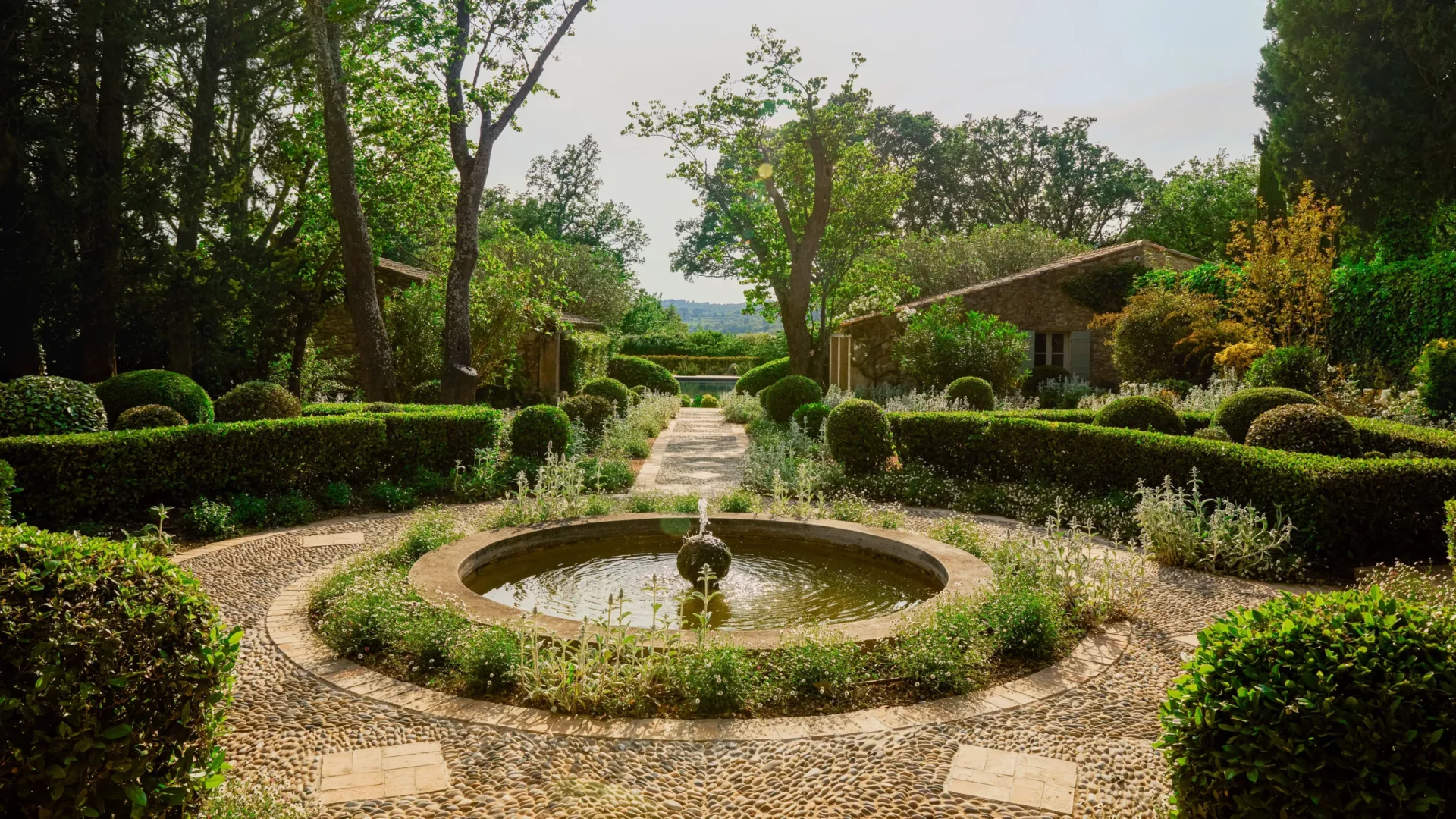
Understanding the Difference Between Gardening and Landscaping
Most gardeners think of their work in terms of individual plants: what to grow, where to put it, and how to keep it alive. Landscaping operates at the level of the entire outdoor environment, treating plants, soil, water, structures, and open space as interconnected elements of one design.
Landscape design (the deliberate arrangement of all outdoor elements to achieve functional, aesthetic, and ecological goals) extends well beyond choosing flowers or vegetables. It accounts for foot traffic patterns, drainage slopes, sun exposure across different seasons, wind exposure, and how the yard connects visually to the surrounding neighborhood.
Gardening builds expertise in plant culture. Landscaping builds expertise in site systems. A backyard gardener who decides to branch out into landscaping will naturally apply both, and that combination is genuinely powerful.
Why Gardening Experience Is a Structural Advantage
Gardeners who make the shift to landscaping bring three assets that most beginners lack entirely:
- Soil intuition: Years of amending beds gives gardeners a hands-on understanding of drainage, compaction, and organic matter that no textbook fully replaces. This directly improves plant selection and placement decisions.
- Seasonal awareness: Knowing when plants peak, decline, and re-emerge helps gardeners design landscapes with year-round visual interest, not just spring color.
- Plant behavior knowledge: Understanding root spread, canopy growth, and competitive dynamics allows a gardener to space and layer plants realistically, not just according to the tag dimensions.
Reading Your Site Before You Design Anything
The first rule of successful landscape planning is this: study the land before you touch it. A garden bed can be relocated with one afternoon of work. A misplaced retaining wall or poorly graded lawn cannot.
Site analysis (the systematic observation of a property’s physical conditions before any design decisions are made) is what separates landscapes that thrive from those that constantly fight their environment.
Mapping Sun, Shade, and Wind Patterns
Stand in your backyard at three different times of day: early morning, midday, and late afternoon. Notice where direct sun falls, where shade pools, and how shadows shift with the season. A corner that receives six hours of sun in June may receive only three in October because of the sun’s lower angle.
Wind patterns matter just as much. A garden bed sheltered by the house may be frost-free long after an exposed corner has been hit. Map these conditions before choosing any plants. A simple paper sketch with shading notations is sufficient.
Assessing Drainage and Soil Structure
Water movement through your yard determines where plants can establish successfully and where they will drown or dry out regardless of your care. Perform a basic percolation test (a measurement of how quickly water drains through your soil) by digging a hole 12 inches deep, filling it with water, and timing how long it takes to drain completely.
Drainage faster than one inch per hour indicates sandy soil that will require organic amendment for most ornamentals. Drainage slower than one inch per hour suggests clay dominance and potential waterlogging.
Measuring Slopes and Elevation Changes
Even a gentle two-percent slope affects how water moves across your yard and where it pools. Walk your property after a heavy rain and observe where water collects. Those low points are not necessarily problems they can become rain gardens or naturalized wet zones. But you need to identify them before they become locations for a patio, path, or foundation planting.
Building a Landscape Plan That Grows With You
Once you understand your site, you can move into design. A landscape plan does not need to be a professional blueprint. What it needs to be is a realistic, phased document that guides decisions over time without locking you into choices you cannot afford or execute all at once.
A landscape plan is not a shopping list. It is a map of how your outdoor space will evolve, season by season and year by year, toward a vision you set today.
Zoning Your Yard Into Functional Areas
Every successful landscape starts with zones: defined areas assigned to specific purposes. Common residential zones include:
- Active use zones: Patios, lawn areas, play spaces, and fire pits where people spend time. These need firm, durable surfaces and clear sightlines.
- Productive zones: Vegetable beds, herb gardens, and fruit trees. Place these closest to the kitchen for frequent access and within reach of water sources.
- Transition zones: Pathways, hedgerows, and border plantings that connect and buffer the other zones. These create the visual flow that makes a landscape feel designed rather than accidental.
- Ecological zones: Rain gardens, compost areas, wildlife habitats, and naturalized plantings. These do the environmental work of the landscape with minimal input.
Setting a Realistic Phased Timeline
One of the most common mistakes backyard gardeners make when branching out into landscaping is trying to complete everything in one season. A phased approach spreads cost, allows time to observe how each zone performs, and prevents the burnout that derails so many ambitious projects.
A practical phasing sequence looks like this:
- Complete site analysis and finalize the base plan before purchasing any materials.
- Install permanent hardscape elements (paths, patios, retaining walls) in year one, because these are the most disruptive and most difficult to relocate later.
- Plant trees and large shrubs in year one or two, since these take the longest to establish and anchor the entire composition.
- Install perennial beds and ground covers in year two once the major structure is in place.
- Add annuals, containers, and seasonal accents from year three onward to fine-tune aesthetics without major expense.
Choosing Plants That Do Multiple Jobs
Plant selection is where gardeners feel most confident, and for good reason. But landscaping demands a shift in how you evaluate a plant. The key question is not just “will this grow here?” It is “what does this plant contribute beyond its appearance?”
Selecting for Structure, Season, and Function
The most resilient home landscapes are built on a layered plant palette, where each species fills a role in the canopy, mid-story, ground layer, or root zone. This approach mimics natural plant communities and reduces maintenance over time by allowing plants to support each other rather than compete. When evaluating any plant for your landscape, consider these criteria:
- Structural contribution: Does it provide year-round form, or does it go dormant and leave a gap in the composition during winter months?
- Seasonal sequence: Does it bloom, fruit, or color at a time that extends interest beyond other plants already in the design?
- Ecological service: Does it feed pollinators, fix nitrogen, suppress weeds, or manage stormwater? Plants that provide ecological services reduce the maintenance burden on the gardener.
- Root behavior: Deep-rooted species improve drainage and soil structure. Shallow-rooted spreaders can stabilize slopes but may compete with neighbors.
Building an Edible Landscape Within the Design
One of the most exciting dimensions of the gardener-to-landscaper transition is the integration of food production directly into the landscape design. Edible landscaping (the practice of using food-producing plants as functional design elements rather than confining them to separate kitchen garden beds) allows backyard gardeners to merge productivity with aesthetics seamlessly.
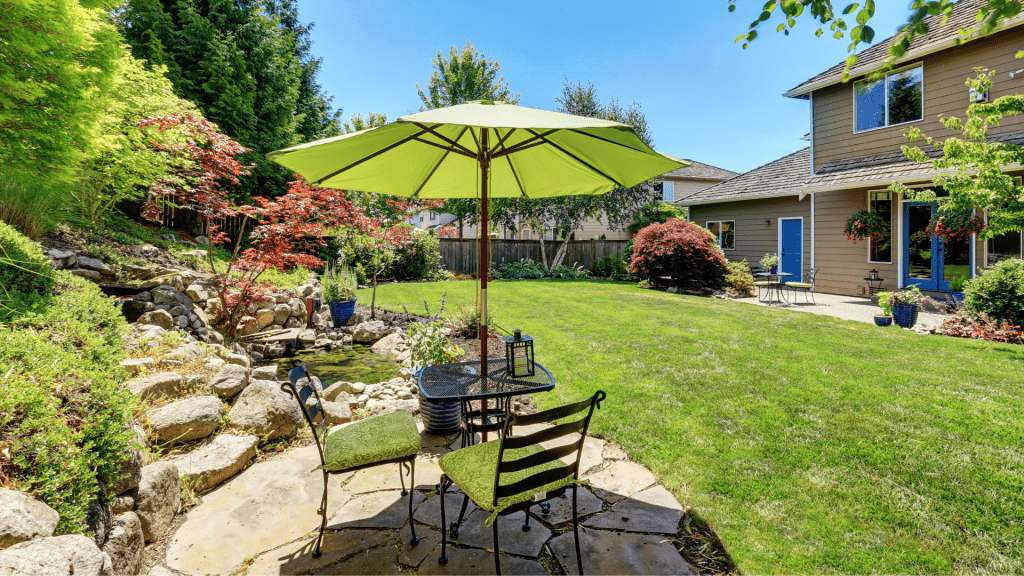
Blueberry bushes make exceptional hedge plants with four-season interest: white spring flowers, summer fruit, vivid red fall color, and attractive bark structure in winter. Dwarf apple trees work as focal points or espalier elements against fences. Climbing beans and cucumbers transform utilitarian trellises into visual features.
Installing Hardscape Elements
Hardscape refers to the non-living built elements of a landscape: paths, patios, walls, steps, raised beds, pergolas, and fences. These elements provide the framework that makes a landscape legible and functional. They also represent the most durable investment you will make in your outdoor space.
Choosing Materials That Suit Your Climate and Style
Material selection for hardscape is not purely aesthetic. It is a functional decision with long-term maintenance implications.
- Decomposed granite and gravel paths drain well and are inexpensive, but require periodic regrading and can scatter into adjacent beds without edging containment.
- Concrete pavers offer durability and design flexibility, but absorb heat in summer and can become slippery with moss growth in wet climates. Sealing prevents both issues.
- Natural stone provides the most authentic texture and longevity, but costs more to install and requires careful leveling on any sloped surface.
- Reclaimed brick is a sustainable choice with warm visual character, but older bricks can spall (surface-chip) in freeze-thaw climates unless sealed properly.
Building Raised Beds That Serve Double Duty
Raised beds are already familiar to most backyard gardeners, but in a landscape context they do more than hold soil. They define space, create visual rhythm, manage elevation changes, and serve as seating when capped with a broad timber or stone edge.
Keyhole beds (raised beds designed with an inward-curved notch that allows the gardener to reach the center without stepping inside) maximize productive planting area while eliminating the need for interior paths. This design reduces soil compaction, which is one of the primary causes of declining yield in mature garden beds.
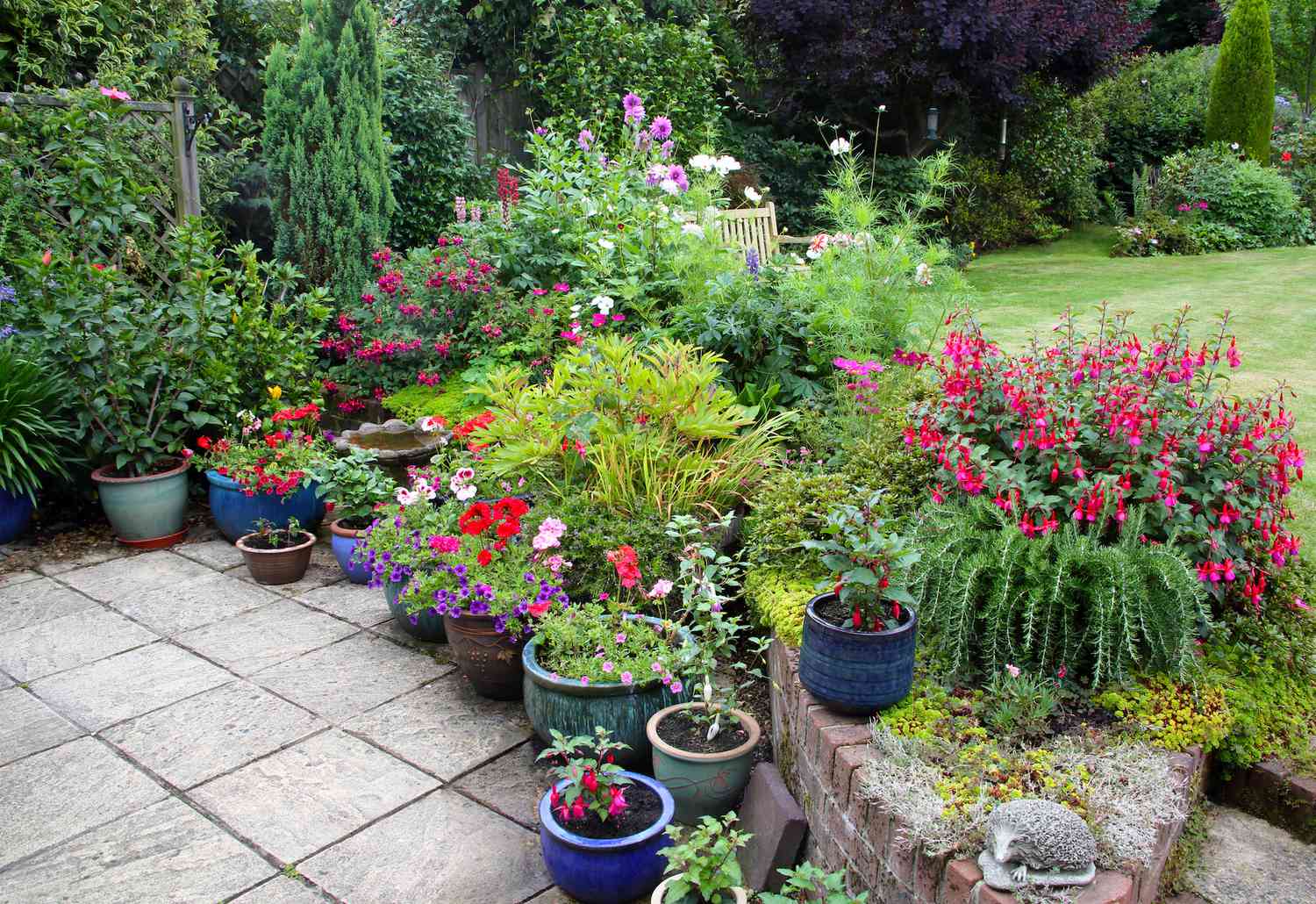
Managing Water Wisely Across the Whole Landscape
Water is the resource that most directly determines which plants thrive and which fail. In a vegetable garden, irrigation is usually a simple linear concern: water the bed. In a landscape, water management becomes a whole-property strategy that accounts for rainfall capture, runoff direction, evaporation, and the very different water needs of different zones.
Designing for Water Zones
Group plants by water requirement in a practice called hydrozoning (the organization of plants into distinct irrigation zones based on shared water needs). This approach reduces both water waste and plant stress, since plants that need frequent irrigation are not competing with drought-tolerant species drawing on the same water source. A well-hydrozone landscape typically divides into three bands:
- High-water zone: typically within 10 feet of the house foundation, containing frequently irrigated ornamentals, edible beds, and container plantings.
- Moderate-water zone: the middle landscape areas with mixed perennials and shrubs that require supplemental irrigation only during drought periods.
- Low-water zone: the outer edges of the property planted with drought-tolerant natives, groundcovers, and adapted ornamentals that survive on natural rainfall alone once established.
Capturing Rainwater Before It Leaves Your Property
Every inch of rainfall that lands on your property and runs off into the street or storm drain represents a lost resource. Rain gardens (shallow, bowl-shaped depressions planted with deep-rooted, water-tolerant species) capture and infiltrate runoff where it falls. A properly sized rain garden can absorb the first one to two inches of rainfall from an entire roof before any overflow occurs.
Positioning a rain garden at the natural drainage low point identified during site analysis allows it to function passively, requiring no pumping or active management. Plant it with sedges, native grasses, and flood-tolerant perennials for a feature that looks intentional and works invisibly.
Soil Health at the Landscape Scale
Backyard gardeners understand soil health intuitively in a bed context. Scaling that understanding across an entire landscape is the same biological logic applied to a larger canvas.
Soil organic matter (the decomposed and partially decomposed plant and animal material that drives microbial activity, moisture retention, and nutrient availability) is the single most important variable in landscape plant establishment. A one-percent increase in soil organic matter allows soil to hold approximately 20,000 additional gallons of water per acre, according to research cited by the Rodale Institute in 2024.
Transitioning Lawn Areas Without Herbicides
One of the most common landscape transformations backyard gardeners undertake is converting turf grass to planted beds or low-maintenance groundcover. The sheet mulching method (also called lasagna layering) achieves this without tillage or herbicide application. The process is straightforward:
- Mow the existing turf to ground level without removing clippings.
- Apply a single overlapping layer of cardboard directly over the turf, wetting thoroughly as you go. Cardboard acts as a biodegradable weed barrier that smothers grass within six to eight weeks.
- Cover the cardboard with a minimum of four to six inches of compost or wood chip mulch.
- Plant directly through the mulch layer into the cardboard, which will have softened enough for roots to penetrate.
- Water the newly planted area to settle the layers and initiate decomposition.
- Reapply mulch in subsequent years as the lower layers break down into soil amendment.
This process avoids the soil disruption caused by rototilling, which brings dormant weed seeds to the surface and destroys fungal networks that are critical to plant establishment.

Maintaining a Landscape Versus Maintaining a Garden
The maintenance rhythms of a landscape differ from those of a garden in one fundamental way: a well-designed landscape requires less intervention as it matures, while most gardens require consistent and intensive care to produce.
This shift happens because a landscape is designed for plant communities to stabilize and support each other over time. Ground covers outcompete weeds. Canopy trees shade out unwanted volunteers below. Deep-rooted perennials build soil structure that retains moisture and reduces drought stress.
Building a Seasonal Maintenance Calendar
Translate your landscape’s needs into a seasonal rhythm rather than a weekly task list. The key maintenance windows in most temperate climates are:
a. Late winter: Prune dormant trees and shrubs before bud break. Cut back ornamental grasses before new growth emerges from the center. Apply compost to beds before spring growth begins.
b. Spring: Divide overcrowded perennials and redistribute throughout the landscape. Apply a layer of wood chip mulch over bare soil before weed pressure peaks. Install new plantings while soil moisture is high.
c. Summer: Monitor irrigation zones and adjust for heat waves. Deadhead blooming perennials to extend flowering season. Scout for pest and disease pressure and address with the least disruptive method available.
d. Fall: Plant spring-blooming bulbs and trees. Cut back spent perennial stalks selectively, leaving some standing as wildlife habitat and winter structure. Top-dress beds with compost to feed soil biology over winter.
Your First Full-Scale Landscape Project
The first time backyard gardeners branch out into landscaping as a whole-yard project, the most important discipline is starting small and scaling up. Choose one zone, plan it completely, install it, and observe it through all four seasons before moving to the next area.
This iterative approach builds confidence and generates genuine knowledge about how your specific site behaves. Every landscape has microclimates, drainage quirks, and soil variations that no plan fully anticipates in advance. Observation teaches what design alone cannot.
The gardeners who make the most successful landscape transformations are not those with the largest budgets or the most ambitious visions. They are the ones who pay close attention, adjust what is not working without ego, and take the long view on a process that rewards patience consistently.
With a little planning, backyard gardeners can branch out into landscaping and create outdoor environments that are more productive, more beautiful, more ecologically functional, and more personally satisfying than any individual garden bed could ever be. The skills are already there. The landscape is waiting.
References:
1. Head, L., & Muir, P. (2006). Suburban life and the boundaries of nature: resilience and rupture in Australian backyard gardens. Transactions of the Institute of British Geographers, 31(4), 505-524.
2. Burgin, S. (2018). ‘Back to the future’? Urban backyards and food self-sufficiency. Land Use Policy, 78, 29-35.
3. Lawson, L. (2004). The planner in the garden: A historical view into the relationship between planning and community gardens. Journal of Planning History, 3(2), 151-176.
4. Smith, M. R. (2001). The front garden: New approaches to landscape design. Houghton Mifflin Harcourt.
5. Lawson, L. J. (2005). City bountiful: A century of community gardening in America. Univ of California Press.
6. Philips, A. (2013). Designing urban agriculture: A complete guide to the planning, design, construction, maintenance and management of edible landscapes. John Wiley & Sons.
7. Lowry, J. L. (2007). The Landscaping Ideas of Jays: A Natural History of the Backyard Restoration Garden. Univ of California Press.
8. Eckert, D., & Eckert, L. (2010). Backyard Landscaping Design and Irrigation.
9. Head, L., Muir, P., & Hampel, E. (2004). Australian backyard gardens and the journey of migration. Geographical review, 94(3), 326-347.
10. Garrett, J. C. (2024). Landscaping home grounds.