Fond Of Gardening? Try Your Hand At These 3 Bonsai Trees
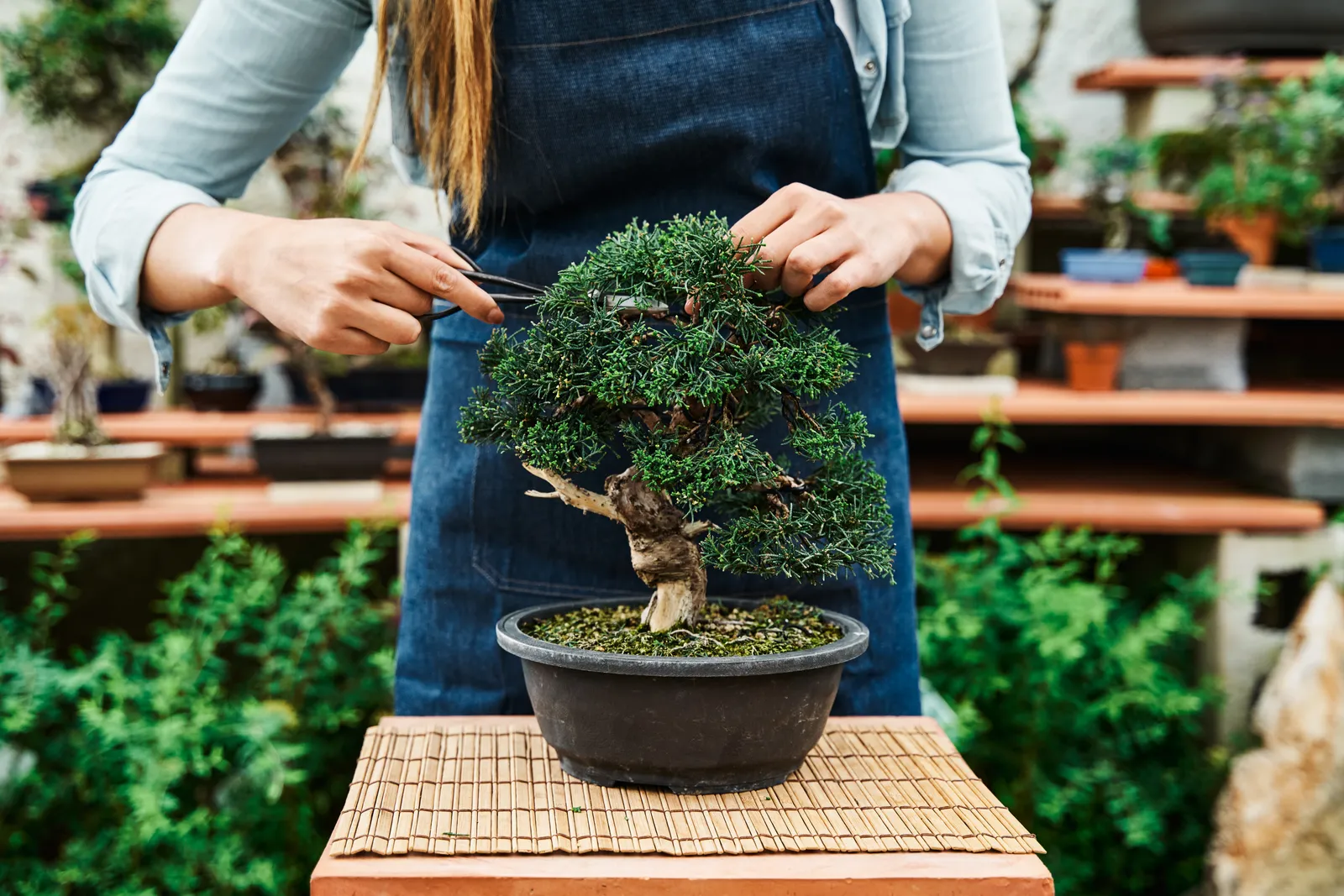

Interest in bonsai gardening has increased rapidly as more homeowners adopt compact and low-maintenance indoor plants. If you want a creative gardening hobby that combines beauty, patience, and plant care skills. Bonsai trees offer year-round greenery, improve indoor aesthetics, and fit easily into apartments, balconies, and office spaces. This guide explains beginner-friendly bonsai varieties, essential care techniques, and practical styling ideas for long-term success.
What Is Bonsai Gardening?
Bonsai gardening is the art of growing miniature trees that look like scaled-down, aged versions of full-size trees. “Bonsai” is a Japanese term meaning “tray planting,” reflecting how the trees are rooted in shallow pots.
Traditionally, bonsai is considered an art form that blends horticulture with design. The practice originated in East Asia (over 2,000 years ago) as a way to create harmony between people and nature. Today, bonsai cultivation is a global hobby and science: enthusiasts study how limiting soil volume and pruning roots affect a plant’s growth patterns.
Bonsai Origins and History
Bonsai’s roots trace back to ancient China (penjing), later refined in Japan and elsewhere. Historically, bonsai was a spiritual practice symbolizing harmony, patience, and respect for nature. Each tree often carries cultural significance; for example, juniper and pine represent endurance. Modern bonsai gardening, however, is not just tradition—it’s also a scientific horticulture technique.
How Bonsai Differs from Regular Plants
Bonsai trees differ from regular plants in form and care. Unlike a normal potted plant, a bonsai is root-bound by design. Growers prune the roots regularly to keep them small, which in turn restricts top growth. This leads to miniature trunks and leaves (through multiple cycles, leaves can reduce in size via apical dominance and hormones). The result is a full-grown-looking tree only inches tall.
Maintaining a bonsai requires constant attention to avoid imbalance. A bonsai’s soil dries out quickly, so watering frequency is higher. As Kansas State Extension notes, a bonsai may need watering multiple times each week due to limited soil volume. Bonsai also receive more pruning than ordinary houseplants: shoots are trimmed to retain shape, and some leaves might even be removed to control water loss (transpiration). In short, bonsai care involves more precise management of water, light, and nutrients than typical gardening, because each change has a big effect on the small tree.
Patience and Creativity in Bonsai
Bonsai gardening demands patience. You will not see the “completed” version of a bonsai in weeks—it may take years of careful pruning and wiring to realize a vision of a wind-swept pine or a gnarled oak. Growers must predict how the tree will fill in after each cut and allow time for new growth.
Creativity is also essential: bonsai artists visualize a desired style (formal upright, cascade, forest, etc.) and train each branch accordingly. Wiring is used to bend trunks slowly over months. Through these methods, a bonsai becomes a living sculpture reflecting the grower’s aesthetic.
In practice, one often prunes a bonsai’s roots and leaves together to maintain balance. For example, K-State Extension advises that a bonsai’s root mass and foliage should be roughly equal in size. Achieving that balance often requires trimming both as the tree grows. This intimate knowing of a tree’s response to each intervention is part of what makes bonsai gardening unique and rewarding.
What Makes Bonsai Gardening Unique?
Bonsai gardening stands apart from ordinary houseplant care in several ways. First, bonsai is an art form: the goal is to sculpt a young plant so it looks like a mature, old tree in miniature. Unlike letting houseplants grow freely, bonsai requires shaping trunks and branches with techniques like wiring and pruning.
Bonsai trees must balance their root-to-shoot ratio (bonsai roots and foliage are roughly equal in mass) to maintain health in shallow pots. Another key difference is that many bonsai species are naturally outdoor trees; keeping them in small containers indoors forces growers to mimic seasonal changes and provide extra care.

For example, bonsai need more light and humidity than typical houseplants. A bonsai gardener must plan each cut and watering to control size without harming the tree. This artistic patience makes bonsai a unique blend of creativity and horticulture.
Gardening with bonsai teaches long-term observation. A bonsai grower learns to recognize subtle clues—like leaf color changes or slowed growth—that signal watering needs or nutrient issues. Bonsai care involves science: pruning reduces leaf area (lowering transpiration rate) and container soil.
Bonsai substrates (special potting mixes) must drain quickly; growers often incorporate bark, pumice, and other components to prevent waterlogging. Every watering, light adjustment, or wire twist has a purpose in shaping the tree. As the Kansas State Extension notes, understanding a bonsai’s basic needs and training methods is the first step to success.
“Bonsai is a life-long hobby that supports positive well-being.”
This reflects how bonsai’s challenges reward gardeners with patience, learning, and calm. As bonsai enthusiasts gain experience, they often develop their own styles and micro-gardens, making bonsai cultivation a rewarding niche in gardening that blends tradition, science, and creativity.
Why Bonsai Trees Are Popular Among Home Gardeners
Bonsai gardening has flourished as a relaxing, mindful hobby. The miniature scale allows anyone to cultivate the beauty of a tree without needing acres of land. For many, bonsai offers stress relief similar to meditation. In fact, cutting and training a bonsai is sometimes used as a therapeutic activity, and studies confirm indoor plants reduce stress and improve focus.
Bonsai appeals to a broad audience: beginners can start with simple care, while masters can invest decades into a single tree’s shape. Because bonsai are compact, they’re ideal for apartments, balconies, or small patios where conventional gardening space is limited. This versatility drives bonsai’s popularity: California alone boasts 65 bonsai clubs, showing how many people have embraced the art.
Advantages that attract home gardeners include:
a. Artistic expression: Each bonsai becomes a living sculpture. The process of wiring and pruning a plant into a pleasing form is creatively satisfying, unlike routine garden maintenance.
b. Indoor greening: Bonsai bring a piece of nature inside. As Arunkumar & Kaffoor note, bonsai can improve indoor air filtration and microclimate. Unlike large plants, bonsai fit on shelves or desks, adding life to interior spaces without requiring large planters.
c. Mindfulness and focus: Growing bonsai encourages attention to detail. Tending a bonsai—monitoring soil moisture, shaping branches—sharpens observation and patience. Empirical reviews link such plant interaction to reduced stress and improved concentration. Bonsai keep both mind and hands busy in a focused way.
d. Adaptability: Bonsai trees are chosen to match the gardener’s environment. Some thrive indoors (Ficus, Chinese Elm), while others endure outdoor conditions (Juniper, Pines). This flexibility makes bonsai accessible to urban and rural gardeners alike.
Benefits of Growing Bonsai Trees Indoors and Outdoors
Bonsai gardening offers unique benefits for any setting. Indoors, bonsai trees enrich the air and mood. They filter dust and volatile organic compounds, subtly improving air quality. Their small size and ornamental shapes add decorative value to living rooms, offices, or kitchens where full-sized trees can’t fit.
A well-placed indoor bonsai is a living conversation piece that conveys serenity and style. Indoors, bonsai also create microclimate effects: they raise humidity (helping humans and other plants) and provide a focal point for learning plant care in an urban environment.
Outdoors, bonsai can transform a small garden or balcony into a “miniature landscape”. Outdoor bonsai (like Juniper or Pines) highlight seasonal changes: lush spring growth, summer foliage, and autumn leaf color or dormancy. They require weather exposure, which many species prefer for natural growth cycles.
Growing bonsai outdoors teaches gardeners about hardening off plants and protecting them from winter cold. An outdoor bonsai provides the same stress relief and aesthetic enjoyment as a full garden tree but in a fraction of the space. Whether indoor or outdoor, bonsai engage the senses: the texture of bark, the sound of rain on leaves, and the satisfaction of coaxing new buds all deepen a gardener’s connection to their environment.
Bonsai also encourage education: enthusiasts learn about climate, soils, pruning, and plant physiology to keep these petite trees alive. In all, bonsai gardening is both an art and science that rewards patience with tangible and psychological benefits
Beginner-Friendly Varieties to Try
For gardeners new to bonsai, choosing the right species is key. The best starter bonsai are hardy, easy to prune, and adapt well to container life. Common recommendations include Ficus, Juniper, and Chinese Elm (Ulmus).
These trees naturally tolerate root trimming and can withstand beginner mistakes. They each have forgiving growth habits: Ficus and Elm sprout new buds quickly after pruning, while Juniper recovers well from wiring (bending branches) and even the occasional overwatering. When selecting a first bonsai, consider your climate and location:
i. Indoor vs Outdoor: Ficus and Chinese Elm can live indoors (with sufficient light), while most Junipers and Pines should stay outdoors to receive cold dormancy cues.
ii. Maintenance level: Some bonsai grow very fast and demand frequent repotting (like Chinese Elm), others grow slower (like Japanese Maple, though not in our top three list). Beginners often start with a medium-growth species that balances responsiveness with manageability.
iii. Personal appeal: Choose a species you find beautiful or meaningful. The enthusiasm that comes from personal connection can motivate consistent care.
Why Bonsai Is Perfect for Gardening Lovers
For those who love gardening, bonsai offers an immersive, relaxing hobby that amplifies the joys of plant care. Bonsai gardening is meditative: as you focus on wiring a branch or assessing leaf color, other stresses fade. The steady, mindful attention pays off in beauty and a unique sense of stewardship. Here are key reasons bonsai appeals to green thumbs:
1. Stress Relief and Focus: Pruning and wiring a bonsai requires concentration. Many gardeners find this focus calming, a break from hectic schedules. Creating and tending a miniature tree can feel like a form of gardening meditation.
2. Creative Outlet: Bonsai gardening engages the artistic side of plant enthusiasts. Deciding on a bonsai’s shape, applying wire, and arranging branches let you express personal style. Each tree becomes a living artwork, giving creative satisfaction beyond growing vegetables or flowers.
3. Compact Gardening: Bonsai are ideal for small living spaces. If you have a balcony, office desk, or a windowsill, you can have a bonsai. This makes bonsai perfect for apartment dwellers or as decorations in a small backyard. Even in a high-rise, a bonsai can thrive under grow lights or near a sunny window.
4. Educational Hobby: Bonsai gardening educates about plant biology. You learn about plant hormones, growth cycles, and substrate health. These lessons deepen general gardening knowledge, which benefits other horticulture endeavors.
5. Community and Tradition: Joining the world of bonsai connects you to a global community. There are clubs, exhibitions, and online forums where enthusiasts share tips. In some cultures, bonsai is a traditional art passed through generations. Participating in this tradition can enrich your gardening experience.
Things To Know Before Growing
Before you start a bonsai, there are important considerations and common pitfalls. Planning ahead saves your tree and your time. Here are key points:
A. Choosing the Right Bonsai for Beginners
Selecting an appropriate bonsai species and style is critical. Consider these factors:
i. Maintenance Level: Some bonsai are famously hard to keep alive (like certain maples or plum trees), while others are very forgiving. For a first tree, choose an easy-care variety. For example, the Ficus (a tropical tree) can tolerate lower light and irregular watering, making it beginner-friendly. In contrast, an outdoor pine might demand stricter sunlight and temperature conditions.
ii. Indoor vs. Outdoor: Think about where you’ll keep the bonsai. Indoor bonsai (e.g., Ficus, Chinese Elm) should be species that grow well in pots and under lamp light or near windows. Outdoor bonsai (e.g., Juniper, Pines, Cedars) need seasonal weather and usually cannot live happily year-round indoors.
iii. Climate and Sunlight: Match the bonsai to your region. If you live in a hot, dry climate, a bonsai that can handle heat (like some eucalyptus varieties) is better than a cool-weather species. Ficus and Chinese Elm have broad climate adaptability, whereas junipers prefer cooler nights. Also ensure you can provide enough sun: most bonsai need several hours of bright light each day.
B. Essential Bonsai Care Basics
Once you have your tree, four care elements are most important:
i. Watering Requirements: A bonsai needs regular watering, but not too much. Because bonsai containers hold little soil, they dry quickly. Water thoroughly whenever the topsoil feels just dry—often every day or every few days in warm weather. Underwatering will cause leaves to wilt, while overwatering can rot the roots. (See Research Spotlight on humidity above.)
ii. Sunlight Exposure: Bonsai trees require ample light. Outdoor species need direct sun for part of the day. Indoor bonsai should be placed in a south or west window or under a grow light for 8–12 hours daily. Insufficient light will cause sparse, weak growth.
iii. Soil and Pot Selection: Use a well-draining bonsai soil mix (often a mix of akadama clay, pumice, and lava rock, or a quality potting mix with extra perlite). The pot must have drainage holes and be only slightly larger than the root ball. Shallow, width-appropriate pots restrict roots and force the tree to stay small. Too deep or large a pot defeats the purpose of bonsai.
iv. Pruning and Shaping: Regular pruning is how bonsai trees keep their miniature size. Structural pruning (cutting back larger branches in dormant season) shapes the tree’s form, while maintenance pruning (pinching or trimming new shoots) refines fine growth.
Tools like concave-pruning shears allow cuts close to the trunk without leaving stubs. Bonsai is often trained with flexible wire wrapped around branches to hold them in place. Learn a few basic wiring and pruning techniques to start designing your tree’s style.
C. Common Mistakes Beginners Make
New bonsai growers often repeat these errors:
a. Overwatering: Because bonsai soil holds little water, many beginners think “more is better” and drown the tree. Excess water causes root rot. Instead, water deeply and let excess drain, then let the soil surface dry slightly before the next watering.
b. Wrong Soil Mix: Regular garden soil or potting mix that is not free-draining will suffocate bonsai roots. Always use a mix formulated for bonsai or succulents to ensure adequate aeration.
c. Insufficient Light: Keeping a bonsai in a dim corner will make it leggy or cause leaf drop. Even indoor bonsai need bright light sources—low light leads to poor growth and vulnerability to pests.
d. Ignoring Pruning Needs: Letting a bonsai grow unchecked defeats the art. You must prune shoots and roots regularly to maintain shape and health. Beginners sometimes forget this discipline, causing the tree to outgrow its style or become unbalanced.
1. Ficus Bonsai – A Beginner-Friendly Bonsai Tree
Ficus Bonsai is one of the easiest bonsai trees for beginners because of its adaptability and resistance to environmental stress. It grows well indoors, tolerates pruning, and survives occasional watering mistakes better than many delicate bonsai species. Its glossy leaves and thick trunk also create an attractive miniature tree appearance.
A. Why Ficus Bonsai Is Popular
Ficus is renowned as one of the easiest bonsai species for beginners. Key reasons include:
a. Easy to Grow and Maintain: Ficus tolerates a range of indoor conditions. It can survive variable humidity and irregular watering better than many trees. Minor mistakes usually don’t kill it.
b. Tolerates Indoor Conditions: Unlike most tropical trees, Ficus retains leaves year-round and can grow under bright window light. It copes with average home temperatures and low humidity if occasional misting is provided. K-State notes Ficus saplings hold leaves year-round and are common houseplant bonsai.
c. Resilient Growth: Ficus has a sturdy, flexible trunk and often develops interesting aerial roots. It can rebound from heavy pruning by quickly sprouting new shoots. This adaptability makes it forgiving for beginners learning to wire and shape a tree.
B. How To Care for a Ficus Bonsai
Ficus care is straightforward if you follow a few guidelines:
a. Watering Schedule: Ficus prefers consistently moist soil, but not waterlogged. Water thoroughly when the top 1–2 inches of soil feel dry. In warmer months or dry homes, you may need to water every 2–3 days. In cooler months, reduce frequency. Avoid letting the rootball dry out completely.
b. Light Requirements: Give your Ficus bright indirect light. A window with morning sun or an east-facing spot is ideal. Too little light causes leggy growth; too intense sun (like harsh afternoon light) can scorch leaves. If natural light is low, supplement with a grow lamp (6–8 hours daily).
c. Temperature and Humidity: Keep Ficus in a warm room (15–25°C / 60–75°F). It does not like cold drafts or temperature drops below about 60°F (15°C). Ficus also enjoys humidity: a small humidity tray or occasional misting can prevent dry air from browning leaf edges. Aim for at least 40% humidity if possible.
C. Benefits of Growing a Ficus Bonsai
Growing Ficus has several advantages for novices:
a. Attractive Appearance: Many Ficus bonsai develop thick trunks and glossy oval leaves. The aerial roots give them a dramatic, banyan-tree look. The shiny green leaves stay year-round, so it always looks vibrant.
b. Great for Homes and Offices: Because Ficus thrives indoors, it brightens living spaces and work desks. Its adaptable nature means it can survive the varied conditions of offices (air conditioning, low humidity), making it a popular office bonsai.
c. Beginner-friendly Pruning: Ficus is forgiving if you trim too much. You can remove even half of its foliage in spring, and it will quickly regrow. This encourages branch development and ramification (branch splitting) that beginners desire.
With its ease of care and lush growth, Ficus is often recommended as the first bonsai for anyone who loves gardening. Once you’ve mastered Ficus, you’ll be ready to try more challenging species like junipers or maples.
2. Juniper Bonsai – A Classic Outdoor Bonsai Choice
Juniper Bonsai is famous for its traditional bonsai appearance and evergreen foliage. This bonsai species performs best outdoors where it receives direct sunlight and natural airflow. Gardeners appreciate juniper bonsai because of its durability, flexible branches, and ability to create classic bonsai shapes.
A. Why Gardeners Love Juniper Bonsai
Juniper bonsai are among the most iconic and popular outdoor bonsai. Gardeners prize junipers for:
a. Traditional Bonsai Appearance: Junipers naturally have needle-like or scale-like foliage and gnarled trunks, giving that quintessential ancient-tree look. The green foliage is dense and can be pruned to reveal detailed branch structure.
b. Hardy and Long-Lasting: Junipers are very tolerant plants. They can handle cold winters outdoors and are drought-tolerant once established. Junipers can live for decades (even centuries) if cared for properly, making them heirloom bonsai pieces.
c. Evergreen Foliage Year-Round: Unlike deciduous bonsai, junipers stay green through all seasons. They provide year-round interest: vibrant green in spring and summer, and silvery-blue tones in cooler months.
B. Juniper Bonsai Care Tips
Junipers need somewhat different care because they belong to the outdoors:
a. Outdoor Placement: Keep juniper bonsai outside whenever possible. They need full sun (at least 4–6 hours daily) for robust growth. They appreciate some winter cold for dormancy. In hot, dry climates, afternoon shade is advisable to prevent needle burn.
b. Watering and Drainage: Junipers like deep watering but good drainage. Water the bonsai thoroughly until water drains out of the pot, then let it almost dry out before the next watering. In summer, this might be daily; in winter, reduced frequency is okay. Always ensure the pot’s holes are clear—standing water leads to root rot.
c. Seasonal Care Guide: Junipers have seasonal needs: in spring, a light pruning of new spring growth shapes the canopy and stimulates ramification. In summer, ensure consistent watering and check for spider mites or aphids (common pests).
Come fall, reduce pruning and stop fertilizing. In winter, they can tolerate cold but if severe frost is expected (below -10°C/14°F), provide some wind protection or mulching to roots.
C. Styling and Shaping a Juniper Bonsai
Creative training is part of working with junipers:
a. Wiring Techniques: Use aluminum bonsai wire to gently bend branches into place. Wrap branches from trunk to tip, bending little by little. Because juniper wood can be brittle, wire only when the plant is in growing season (spring to early fall) and remove wires after a few months to avoid cutting in.
b. Pruning Ideas: Prune new shoots as they grow to maintain the shape. You can pinch (snap off) soft growth in spring/summer to keep foliage compact. Remove dead foliage often.
c. Creating Traditional Forms: Juniper is great for classic bonsai styles. You can train it into formal upright, informal slanting, cascade (branches drooping down), or windswept styles. For example, by bending the trunk and upper branches with wire, one can simulate a tree shaped by mountain winds.
3. Chinese Elm Bonsai – Elegant and Easy to Maintain
Chinese Elm Bonsai combines elegant structure with beginner-friendly maintenance requirements. Its small leaves, strong growth habit, and adaptability to different climates make it a popular bonsai species for both indoor and outdoor gardening. The tree also responds well to pruning and shaping techniques.
A. Features of Chinese Elm Bonsai
Chinese Elm (Ulmus parvifolia) is beloved for beginner bonsai due to:
a. Small Attractive Leaves: Elm leaves are tiny and dense on the branches, so even a mature tree can look proportionally correct in mini form. They often turn yellow or reddish in fall if outdoors, adding seasonal color.
b. Strong Growth Pattern: Chinese Elms are vigorous growers. They quickly ramify after pruning, filling out branches well. This robust growth allows beginners to see results fast. They also produce a textured bark and interesting trunk shapes with age.
c. Adaptable to Different Climates: Chinese Elm can be grown almost anywhere except arctic cold. It handles hot summers (with some shade) and cool winters (tolerating brief frosts, though it may drop leaves and regrow in spring). This resilience means it can be grown outdoors or even indoors in moderate conditions.
B. Chinese Elm Bonsai Care Guide
Caring for a Chinese Elm is not difficult:
a. Sunlight and Watering: Outdoors, elms prefer morning sun with some afternoon shade. Indoors, they need a bright spot (near a sunny window). Water thoroughly; elms do not like to dry out completely, but avoid waterlogging. Watering once the topsoil is slightly dry (every 2–4 days depending on weather) is typical.
b. Repotting Tips: Because of their fast growth, Chinese Elms should be repotted every 2–3 years when young (maybe every 3–5 years when older). Repotting in spring before new leaf growth allows you to trim roots and refresh soil. Use a well-draining bonsai mix. Removing up to one-third of the root mass during repotting keeps the tree small.
c. Fertilizing Recommendations: Feed a Chinese Elm bonsai regularly during the growing season (spring through early fall). A balanced slow-release fertilizer or a low-nitrogen bonsai fertilizer helps maintain health. For example, use a 10-10-10 NPK fertilizer monthly in spring and summer, tapering off by late summer. Strong fertilizing encourages fuller foliage and robust branches.
Why It’s Great for Beginners
The Chinese Elm’s forgiving nature makes it ideal for novices:
a. Forgiving of Mistakes: If you accidentally prune too much or occasionally skip a watering, an elm will usually bounce back. It can sprout new buds vigorously, so recovery from minor missteps is quick.
b. Easy Shaping and Pruning: Elms respond well to wiring and pruning. You can wire branches at any time once they are not too brittle. Pruning in early spring or late fall will lead to new growth in the upcoming growing season.
c. Indoor and Outdoor Suitability: Chinese Elm can be grown indoors as a houseplant bonsai or outdoors on a patio. This flexibility lets beginners try growing it inside if an outdoor spot isn’t available. (If moved indoors in winter, give it as much light as possible and protect from dry indoor heat.)
Essential Tools for Gardening
Proper bonsai tools help gardeners maintain tree health and achieve precise shaping results. Beginners should invest in quality pruning scissors, wire cutters, bonsai soil mix, and drainage pots. Using specialized tools reduces plant damage and improves pruning accuracy during bonsai training.
1. Bonsai Pruning Scissors (Concave Cutters): These allow you to trim branches and roots cleanly. A concave blade leaves a slight hollow in the cut, which heals smoothly without a noticeable scar. Use these for most pruning tasks.
2. Wire Cutters: Bonsai wire is tougher than normal wire, so dedicated cutters are needed. Wire cutters also serve as branch stub cutters. Always remove wire after 2–3 months to prevent scarring.
3. Bonsai Soil Mix: Good-quality potting mix specifically made for bonsai or succulent plants. This should be coarse-grained for drainage. Many beginners use an equal mix of akadama, pumice, and lava rock (or all-purpose bonsai soil).
4. Watering Can (with Fine Nozzle) and Humidity Tray: A can that directs water gently is ideal. Some bonsai—especially indoor ones—benefit from a shallow tray with pebbles and water underneath the pot to increase humidity around the plant (without letting the roots sit in water). Humidity trays help tropical bonsai like Ficus maintain moisture in dry air.
5. Choosing the right pot is also key: a bonsai pot must have drainage holes. The pot should be just large enough for the root ball; too large a pot keeps the soil moist too long. Shallow pots look traditional, but ensure they hold enough soil for root support.
Also consider pot style—ornamental unglazed pots are attractive, while simple plastic or resin pots are fine for beginners still learning. Always prioritize drainage; a decorative pot without holes will kill your bonsai quickly.

How To Keep Your Bonsai Healthy All Year
Bonsai trees require seasonal care adjustments to maintain healthy growth throughout the year. Watering frequency, pruning schedules, fertilization, and temperature protection vary between summer, winter, spring, and autumn. Regular monitoring also helps growers identify disease symptoms and nutrient deficiencies early.
1. Seasonal Care Tips
i. Spring: This is the growing season. Resume regular watering as the tree leafs out, and start fertilizing monthly. It’s an ideal time for moderate pruning to shape new shoots. Also consider repotting now if the tree shows root binding.
ii. Summer: The bonsai is actively growing. Keep soil consistently moist (it may need daily watering in hot weather). Provide shade during mid-day heat to prevent leaf scorch. Mist tropical bonsai foliage occasionally to raise humidity.
iii. Fall: Gradually reduce watering as growth slows. Stop fertilizing about a month before the first expected frost. Prune lightly to refine shape after growth. If you have deciduous bonsai, enjoy the autumn color changes.
iv. Winter: For outdoor bonsai (Juniper, Elm), protect roots from freezing by moving pots to an unheated garage or mulching around them. Water sparingly, just enough to keep the roots from completely drying. For indoor bonsai (Ficus), keep them in the warmest, brightest room and check moisture weekly.
Signs Your Bonsai Needs Attention
Even with perfect scheduling, you must watch your bonsai for stress signals. Check for:
- Yellow or dropping leaves: Could indicate overwatering, underwatering, or insufficient nutrients.
- Dry, brittle branches: Often a sign of lack of water.
- Slow or no growth in season: Maybe too little light or nutrients.
- Roots coming out of drainage holes: Means it’s time to repot.
Decorating Your Home and Lawn With Bonsai Trees
Bonsai trees function as both living plants and decorative design elements. Indoor bonsai displays enhance living rooms, office desks, and balconies, while outdoor bonsai arrangements create calm Zen-inspired garden spaces. Combining bonsai trees with stones, moss, and ceramic pots further improves visual appeal.
Indoor Display Ideas
i Living Room Centerpiece: Place a bonsai on a side table or low shelf to serve as a focal point. A large-leaf Ficus or flowering bonsai adds color and style. Consider surrounding it with other small plants or a decorative tray.
ii. Office Desk Accent: A small Juniper or Chinese Elm on your desk can boost creativity and cut stress during work hours.
iii. Balcony and Sunroom: Group several bonsai on a bench or multi-tier stand outside. Hanging a moss ball planter with a cascading bonsai (Kokedama style) can add interest to vertical spaces.
Outdoor Inspiration
i. Mini Zen Garden: Create a tranquil corner with gravel, stones, and a few bonsai. Place a Juniper or pine on a flat rock or stand, surrounded by moss and sand patterns for a Zen effect.
ii. Patio Arrangement: On a patio, arrange bonsai at different heights using stands. Combine a ceramic pot bonsai with sculptural rocks and a small bamboo fence to echo Japanese gardens.
iii. Mix with Landscape Plants: Place bonsai near full-size perennials or shrubs to highlight the scale. The contrast emphasizes the bonsai’s miniature nature.

Conclusion
Growing bonsai trees is not just a short-term project but a lifelong pursuit. It requires patience, regular care, and a willingness to learn. However, the benefits reward the effort: from the joy of witnessing a tiny tree flourish through the seasons, to the therapeutic calm of daily maintenance. As urban gardening continues to rise, bonsai trees offer a unique way to connect with nature even in small spaces. We encourage every gardening enthusiast to try bonsai—this rewarding hobby will enrich your green space and personal well-being for years to come.
Frequently Asked Questions (FAQs)
Which bonsai tree is best for beginners?
Ficus Bonsai is the best choice because it is easy to maintain and grows well indoors.
Can bonsai trees grow indoors?
Yes, indoor bonsai varieties like Chinese Elm Bonsai grow well with bright indirect sunlight.
How often should I water a bonsai tree?
Water when the top soil feels slightly dry. Avoid overwatering.
Do bonsai trees need sunlight?
Yes, most bonsai trees need 4–6 hours of sunlight daily for healthy growth.
What is the biggest beginner mistake in bonsai gardening?
Overwatering is the most common mistake because it causes root rot.
Are bonsai trees expensive to maintain?
No, beginners can start bonsai gardening with basic tools and an affordable bonsai plant.
References:
1. Pathania, S., Dhiman, S. R., Beese, S., & Kumar, A. (2023). Bonsai: The art of miniaturization. Systems in Agri-Horti.
2. Jejal, A. D., & Chandr, T. (2025). Art and Science of Bonsai: Horticulture in Miniature.
3. Sapcota, D., & Choudhury, B. (2026). Bonsai. Indian Literature, 70(1 (351), 92-99.
4. Hossain, E., Marndi, S., Kumar, R., Kumar, S., & Begam, A. M. (2025). Banyan family-medicinal, pharmacological and economical aspects.
5. Daniel, V., Ramalakshmi, K., Venkatesan, R., Sundar, G. N., Nancy, G., & Shirly, S. (2024, June). Precision Cultivation for Bonsai through IoT Implemented Smart Irrigation. In 2024 3rd International Conference on Applied Artificial Intelligence and Computing (ICAAIC) (pp. 1908-1913). IEEE.