Summer Fun in the Garden: July and August Activities By Marshall
- In 2024, the global lawn and garden market reached $23.10 billion, driven by a surge of home gardening activity.
- As over half of U.S. households now engage in gardening, peak summer months like July and August become the heart of summer fun in the garden.
- This article guides gardeners through the season’s challenges and rewards, from smart watering and mulching to planting summer-hardy blooms and veggies, plus fun family projects and pollinator-friendly ideas.
- Looking ahead, sustainable practices and emerging tools (like smart irrigation and heat-tolerant varieties) promise to make summer gardening even more resilient and rewarding.


Summer fun in the garden peaks during July and August, as long daylight and heat spur flowers to bloom and vegetables to ripen. These months are crucial because warm-weather plants are both thriving and stressed – daily care pays off with abundant produce and vibrant beds. Gardeners of all levels (farmers, hobbyists, families) find that consistent upkeep in summer yields big rewards: higher yields, bigger bouquets, and more wildlife visits.
Starting strong in July means checking soil moisture, refreshing mulch, and setting up irrigation – preparations that can make the rest of summer much easier. Summer Fun in the Garden: July and August Activities will cover essential maintenance (watering, weeding, pruning), top summer plants (flowers and vegetables), kid-friendly gardening projects, and how to tackle common heat-related problems. By learning seasonal strategies, gardeners can savor the joys of outdoor life all season long.
Understanding the July and August Garden Season
July and August bring intense heat and variable weather that gardeners must navigate. Late summer often means drought-like conditions or sudden storms, demanding careful planning. This section lays out summer climate challenges and their effects on plants so you can adapt your care accordingly.
A. Typical Summer Weather Challenges
a. Intense Heatwaves: July–August often see sustained temperatures well above 30°C (85°F) in many regions. These heat spikes can scorch sensitive plants and stress gardeners alike.
b. Dry, Arid Soil: High temperatures speed evaporation. Soil dries out quickly, especially sandier types, so moisture management is critical.
c. High Humidity and Storms: Midsummer humidity can fuel fungal diseases, while sporadic severe storms (rain and wind) can inundate or damage plants.
B. How Summer Conditions Affect Plants
- Rapid Evaporation: High heat means plants lose water faster through leaves, leading to wilting if not watered deeply.
- Plant Stress: Heat stress can halt growth and even damage plant tissues. Flowers may drop buds, and leaves can yellow or develop scorch spots.
- Increased Pests: Warm weather accelerates pest life cycles. Aphids, spider mites, and other insects often explode in number during hot weeks.
- Faster Weed Growth: Weeds are hearty and grow rapidly in summer’s fertile conditions, competing with garden plants for water and nutrients.

C. Preparing Your Garden for Mid-to-Late Summer
a. Check Soil Moisture Levels: Use a soil probe or simply dig a few inches down to see how dry the soil is. If it’s dry below the surface, plan more frequent deep watering. Adjust irrigation zones to ensure even coverage.
b. Refresh Mulch Cover: Replenish mulch around plants. A fresh 5–7 cm layer of organic mulch (straw, wood chips, compost) will dramatically reduce moisture loss, buffer soil temperature, and suppress weeds. Organic mulches gradually improve soil health as they break down.
c. Inspect Irrigation Systems: Ensure drip lines, hoses, or sprinklers are working properly. Repair leaks and remove clogs so that plants can get water reliably. Consider setting timers or soaker hoses to automate watering.
Essential Garden Maintenance Activities in July and August
Mid-summer gardening hinges on regular chores to support plant health and yield. This section covers watering, mulching, weeding, and pruning – four pillars of summer maintenance. Each practice helps plants cope with heat, conserve resources, and continue producing flowers and fruit.
1. Proper Watering Techniques During Summer
i. Water Early Morning or Late Evening: Water when temperatures are cooler (dawn or dusk) to minimize evaporation loss. Early morning watering gives plants moisture for the heat of day. Avoid watering at midday, as fast evaporation means less water reaches roots.
ii. Deep, Infrequent Watering: Give plants a long, slow soak once or twice a week rather than light daily sprinkling. Deep watering encourages roots to grow deeper where it’s cooler and damper. For example, irrigate tomatoes and peppers with a hose for 30 minutes so water reaches 20–30 cm deep.
iii. Even Moisture, Not Overwatering: Check soil consistently. The goal is to keep soil evenly moist, not waterlogged. Signs of overwatering (yellowing leaves, moldy soil surface) can be just as damaging as drought. Use drip irrigation or soaker hoses to deliver water directly at the root zone, reducing waste.
iv. Rainfall is often unpredictable in summer, so supplement with manual watering as needed. For gardens on timers, monitor soil so you don’t overwater after an unexpected downpour. These strategies help maximize water use efficiency: drip irrigation in particular can reduce water use by up to 60% compared to flood watering.

2. Mulching for Moisture Retention
Mulching is one of the most effective summer tactics. A good mulch layer controls temperature, holds moisture, and keeps weeds down. Consider these points:
i. Best Mulch Types: Organic mulches (straw, wood chips, shredded leaves) are ideal in summer. Straw and wood chips can retain moisture well and slowly enrich soil. Inorganic mulches (like landscape fabric or black plastic) also conserve moisture but can overheat soil if not managed carefully. For flower borders, wood or bark mulch is attractive and moisture-saving. For vegetable rows, straw is inexpensive and sinks into soil over time.
ii. Application Tips: After establishing seedlings, apply 5–10 cm of mulch around plants, keeping it slightly away from direct stem contact. Replenish as needed if it breaks down.
iii. Benefits: Mulch shields soil from sun (reducing evaporation), moderates daily temperature swings, and cuts weed growth. In fact, one review noted mulching practices improve moisture retention and raise crop yield and water use efficiency.
Mulching usually goes hand-in-hand with watering. A well-mulched soil can retain 10–25% more moisture by slowing evaporation. This means fewer watering trips and healthier plants with steadier moisture.
3. Summer Weeding Strategies
a. Remove Early and Often: Pull or hoe weeds when small (before they set seed). A light hoeing once a week can prevent weeds from overtaking beds. Hand-pull deeply rooted weeds that seedlings might miss.
b. Maintain Mulch: As noted, mulch stops many weed seeds from germinating. After rain, reapply mulch if it’s become thin to keep weed pressure down.
c. Use the Right Tools: A sharp hoe or a specialized weeding fork speeds removal. Pull weeds after watering or rain when soil is softer for easier root removal.
d. Prevent Spread: Quickly dispose of any weeds that have flowered or gone to seed in compost or trash to avoid reseeding in your garden.
4. Pruning and Deadheading Summer Plants
i. Deadheading (Removing Spent Flowers): Pinch or cut off faded blooms on annuals and perennials. This redirects energy from seed production back to flowering, often resulting in more blooms later in summer. For instance, snipping marigold flowers encourages new buds to form.
ii. Pruning Damaged Growth: Snip away yellowed, brown, or heat-damaged leaves and stems. Removing these parts prevents disease entry and improves air circulation. For leggy plants, trim back an inch or two to encourage bushier growth.
iii. Cleaning Tools: Always use clean, sharp pruners to make precise cuts and avoid spreading pathogens. Disinfect pruners between plants if disease is suspected.
With deadheading and light pruning, many summer plants will rebloom and stay vigorous. For example, cutting back spent bloom stalks on coneflowers can trigger a second wave of flowers. This maintenance keeps the garden tidy and productive through late summer.
Best Flowers to Grow in July and August
Summer heat is ideal for certain tough annuals and perennials. This section highlights top choices for vibrant blooms in the hottest months. Planting the right flowers now ensures continuous color, even in harsh sun.
A. Heat-Tolerant Annual Flowers
a. Marigolds (Tagetes): Floriferous and easy, marigolds love heat and bloom prolifically all summer. They also have a pest-repelling scent and handle dry spells well.
b. Zinnias: These bright daisy-like flowers thrive in full sun and come in many colors. Zinnias germinate quickly (often within 7 days) and will bloom heavily if deadheaded regularly.
c. Sunflowers: Iconic summer bloomers, sunflowers can handle intense heat and dry soil. They grow tall, attract pollinators, and some dwarf varieties work well in pots.
d. Portulaca (Moss Rose): A groundcover annual that rolls its flowers closed on cloudy days, portulaca thrives in poor soil and heat, and its succulent leaves reduce wilting.
B. Perennials That Thrive in Summer
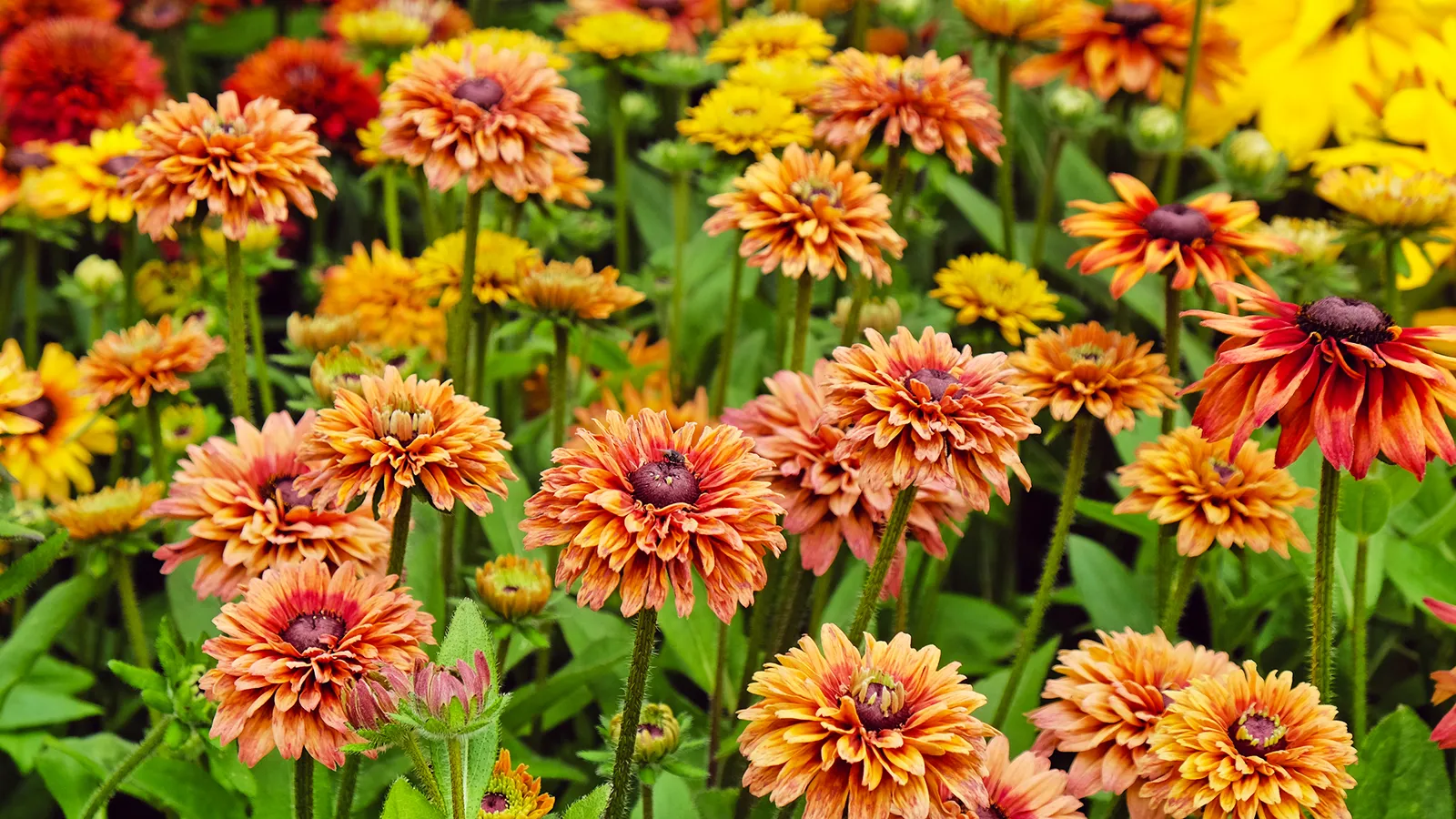
a. Coneflowers (Echinacea): These hardy daisy-like perennials bloom from July into fall. They are heat- and drought-tolerant, and their seed heads attract birds later on.
b. Black-eyed Susans (Rudbeckia): Similar to coneflowers, black-eyed Susans produce masses of golden yellow blooms on sturdy stems. They resist heat and continue flowering through drought.
c. Lavender (Lavandula): Preferring hot, dry conditions, lavender actually needs summer heat to flourish. In July and August, it yields fragrant purple spikes that bees adore.
d. Purple Coneflower (Echinacea purpurea): A variant of coneflower, it is exceptionally tough once established and remains a summer stand-by.
Container Flower Gardening Ideas
a. Patio Containers: Fill large pots with a mix of heat-loving annuals (petunias, geraniums, calibrachoa) and trailing plants (sweet potato vine, cascading nasturtium). Mixed containers add visual interest.
b. Hanging Baskets: Use trailing petunias, fuchsias, or begonias. Since baskets dry out quickly, check moisture daily and choose blends suited for containers.
c. Balcony Flower Arrangements: Combine tall and short plants. For example, plant tall salvias or marigolds in the center of a container, edging with alyssum or lobelia. This provides both height and ground-cover color.
Containers allow creative placement of color (on patios, decks, window boxes). Be sure to choose a premium potting mix, fertilize regularly (liquid feed every 2–3 weeks), and water containers even more often than garden beds. A well-tended container garden extends summer beauty to any hardscape.
Vegetable Gardening Activities for July and August
Summer is prime time for both harvesting and planting in the kitchen garden. This section helps you enjoy the bounty and plan for late-season crops. With heat-loving varieties and careful care, vegetables can thrive even under the sunniest sky.
Vegetables Ready for Harvest
i. Tomatoes: The quintessential summer crop, many tomato varieties yield most heavily in July and August. Ripen to red, yellow, or heirloom colors. (Tomatoes are so common that 86% of US vegetable gardens include them.) Ensure regular watering for juicy fruits.
ii. Cucumbers: Pick cukes frequently (even small ones) to encourage more fruit. These vines love the heat and will keep producing if harvests continue.
iii.Peppers: Hot and sweet peppers produce continuously in summer heat. You can harvest green, or wait on the vine for red or yellow maturity.
iv. Beans (Snap Beans): Bush and pole beans often start bearing in midsummer. Harvest regularly to prevent tough seeds.
Vegetables You Can Still Plant in Late Summer
Don’t put away the seeds yet! Late July and early August are ideal for fast-growing or cool-season veggies for fall:
a. Carrots: Sow carrot seeds in late July or early August for fall harvest. Choose shorter varieties (e.g. Nantes, Danvers) that mature in 50–60 days. Thinning seedlings early improves bulb size.
b. Lettuce: Many lettuce types (leaf or romaine) can be sown directly. Fast-germinating varieties can give a fall crop by September. Sow in partial shade or use shade cloth to prevent bolting.
c. Spinach: Although it doesn’t love extreme heat, spinach sown in late summer will be ready as temperatures moderate in fall. Harvest leaves as baby greens or let mature for full heads.
d. Radishes: Radishes grow in about a month. Sow successively every 2–3 weeks through August for a steady stream of spicy roots.
Tips for Protecting Vegetables from Extreme Heat
a. Use Shade Cloth: Installing shade cloth can dramatically improve yields in hot climates. For example, peppers grown under a 30% shade cloth have produced up to 100% higher yields compared to unshaded plants. Lightweight netting blocks excess sun and cools the canopy.
b. Consistent Deep Watering: Maintain steady soil moisture. Water deeply (as in watering section) rather than shallow splashes. Consider soaker hoses under mulch to deliver a slow drink without leaf splash.
c. Soil Cooling Techniques: Add a layer of light-colored mulch or row cover on top of soil to reflect sunlight. In containers, move pots to shaded areas during peak heat if possible. Some gardeners even bury water pipes or drip them lightly in pots to keep roots cool.
d. Monitor and Adjust Nutrition: High heat can reduce fertilizer uptake. Don’t over-fertilize in extreme heat – plants focus on survival. If growth stalls, side-dress a light nutrient boost (like compost tea) in early morning to revive plants without root burn.
Fun Garden Activities for Families and Kids
Gardening in summer can be a shared adventure. Engaging children with crafts and nature play plants seeds of curiosity and responsibility. These projects make July–August gardening fun for all ages.
DIY Garden Crafts
a. Painted Flower Pots: Let children decorate clay pots with washable paints. After sealing with a non-toxic varnish, these colorful planters brighten patios and teach kids to care for their own plants.
b. Decorative Garden Markers: Make plant labels from painted rocks, popsicle sticks, or old spoons. Have kids write plant names or draw flowers on them. Markers help identify plants and involve children in garden planning.
c. Bird Feeders or Houses: Build simple feeders using pine cones, peanut butter, and birdseed, or assemble a small birdhouse. This encourages wildlife and teaches about ecosystems. Kids love watching birds visit their creations.
Backyard Nature Activities
a. Butterfly Watching: Plant a cluster of pollinator favorites (e.g. butterfly bush, zinnias). Keep a journal of species observed and count how many visits each day. Encourage learning about life cycles by raising caterpillars to butterflies.
b. Bird Observation: A simple bird bath and birdseed provide entertainment. Sit quietly with binoculars and note the different species that visit. Identify birds by their calls or markings.
c. Planting a Pollinator Patch: Dedicate a small plot to bee- and butterfly-friendly flowers (like cosmos, lavender, and bee balm). Involve kids in planting and watch pollinator activity. This teaches biodiversity and why insects are important.

Gardening Projects for Children
a. Grow Fast Vegetables: Plant radishes, cherry tomatoes, or lettuce in a small patch. These sprout quickly, giving children the joy of a rapid harvest (radishes can be ready in a month!).
b. Mini Herb Gardens: Let kids plant herbs (basil, mint, chives) in small containers. Herbs are hardy and offer instant results. After the plants grow a bit, children can help snip leaves for cooking.
c. Assign Watering Routines: Make watering an interactive chore. Let them handle a watering can (with guidance), learning how much each plant needs. Use this time to teach about plant needs and why watering times matter.
Attracting Pollinators and Wildlife During Summer
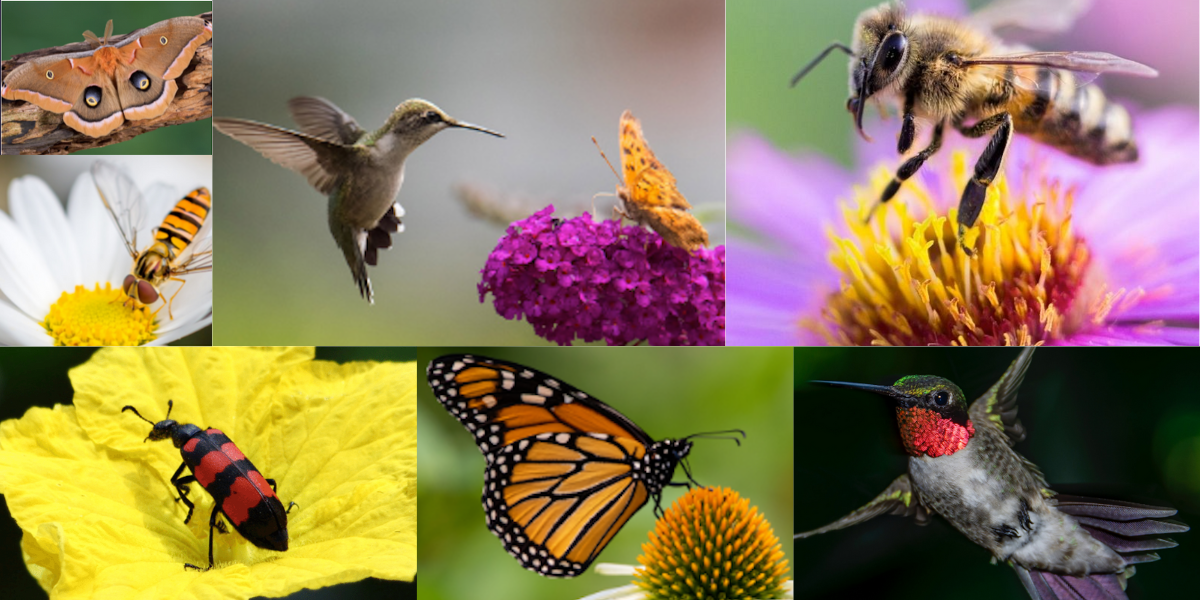
A garden with pollinators buzzes with life. Summer blooms and water sources draw bees, butterflies, and birds that both thrill gardeners and aid plant health. This section outlines plants and features that support summer wildlife.
1. Best Plants for Bees and Butterflies
a. Bee Balm (Monarda): Produces clusters of nectar-packed flowers loved by bees and hummingbirds. It blooms in July–August and tolerates heat.
b. Cosmos: The airy, daisy-like blooms of cosmos provide abundant nectar for butterflies and bees throughout summer. Cosmos reseeds easily for next year.
c. Lavender: Its fragrant purple spikes are magnets for honeybees and butterflies. Lavender thrives in hot, dry summer soil and emits oils that repel some pests.
d. Zinnias and Sunflowers: Though annuals, they are invaluable for pollinators. Zinnias’ daisy blooms and sunflowers’ large heads offer easy feeding platforms for many insects.
2. Creating a Pollinator-Friendly Garden
a. Water Sources: Provide shallow water (a bird bath or a muddy dish with rocks) so pollinators can drink without drowning. Even a saucer with pebbles helps bees stay hydrated in heat.
b. Native Flowering Plants: Incorporate local wildflowers and grasses. Native species are adapted to your climate and local pollinators love them. Examples include native coneflowers, clover, and milkweed.
c. Avoid Pesticides: Use integrated pest management. Strong insecticides kill beneficial pollinators. Instead, pick off pests by hand, use row covers early, or apply organic treatments like neem or insecticidal soap if needed.
d. Shelter and Nesting Areas: Leave some bare soil patches or bundle small twigs in a corner for bee nesting. Certain bees nest in the ground or in hollow stems, so undisturbed habitat encourages them to stay.
3. Bird-Friendly Garden Ideas
a. Bird Baths: A clean, constantly refreshed water source lures birds. Place bird baths in shade so water stays cooler, and keep edges rough or add rocks for perching.
b. Shade and Perches: Provide at least one tree or large shrub. Birds use branches for shelter from sun and predators. Even a simple trellis with vines gives shade and perch spots.
c. Seed-Producing Flowers: Grow sunflowers, coneflowers, or millet which produce seeds later in season for birds to eat. This doubles as blooms earlier and food later.
d. Berry Bushes: If space allows, plant berry bushes (like blueberries or elderberries). Birds will feast on the fruit, and you’ll get a harvest as well.
A bird-friendly garden keeps pests down (birds eat insects) and adds melodic life. Observing a robin or finch enjoying your garden connects you with nature’s rhythms.
Lawn Care Tips Without Stressing the Grass
Even a summer lawn needs care. Proper mowing and watering keep turf green through droughts. This section covers summer mowing height, watering schedules, and patch repair.
A. Proper Summer Mowing Practices That Protect Root Systems
The most common summer lawn mistake is cutting grass too short. During July and August, raise mower blades to three to four inches for cool-season grasses (fescue, bluegrass) and two to three inches for warm-season grasses (Bermuda, zoysia).
Taller grass blades shade the soil surface, reducing soil temperature, evaporation, and weed germination simultaneously. Never remove more than one-third of the blade height in a single mowing—this rule, known as the one-third rule, prevents root stress that can cause browning within days of cutting.
B. Watering the Lawn Efficiently in Peak Heat
- Early morning irrigation (between 4:00 and 8:00 a.m.) delivers the highest percentage of water directly to roots because evaporation rates are lowest and wind is typically calm.
- Lawns need approximately one inch of water per week during summer, including rainfall—measure this simply by placing an empty tuna can in the irrigation zone and noting when it is full.
- Watering deeply twice per week is superior to light daily watering because it encourages deep root growth, which makes turf naturally more drought-resistant.

C. Repairing Dry or Brown Lawn Patches
Brown patches in a summer lawn are not always dead—most cool-season grasses enter summer dormancy (a survival mechanism where above-ground growth stops but roots remain alive) when temperatures exceed 90°F consistently.
Before overseeding, probe the soil; if roots are still white and firm, the grass is dormant, not dead, and will recover when temperatures drop in September. True dead patches, identifiable by brittle, gray roots, benefit from light scarification (scratching the soil surface), a thin compost topdressing, and overseeding with heat-tolerant cultivars in late August.
Common Summer Garden Problems and Solutions
Even well-tended gardens can face issues. This section addresses pests, diseases, and heat stress – with actionable fixes so you can keep your plants healthy through summer.
A. Dealing with Garden Pests
1. Aphids: These sap-sucking bugs often cluster on new growth. Blast them off with a strong spray of water, or apply insecticidal soap or neem oil. Introduce ladybugs or lacewings – they devour aphids.
2. Spider Mites: Tiny and red, they thrive in dry heat. Signs include fine webbing and yellow speckled leaves. Increase humidity by misting foliage, and spray affected plants with neem oil or insecticidal soap. Predatory mites or ladybugs help control them too.
3. Caterpillars and Worms: Chewed leaves or holes indicate caterpillars (e.g. cabbage worms, tomato hornworms). Handpick visible caterpillars off leaves. For widespread infestations on edible plants, a Bt (Bacillus thuringiensis) spray safely kills caterpillars without harming other insects.
Always identify pests before treating. Correct diagnosis is key (e.g. not confusing harmless spider mites with harmful whiteflies). Use cultural controls first (manual removal, barriers) before chemicals. A healthy garden ecosystem with beneficial insects will naturally limit pest outbreaks.
B. Preventing Plant Diseases in Humid Weather
1. Powdery Mildew: This fungus appears as a white powder on leaves. Avoid overhead watering to reduce humidity on foliage. Prune for air flow. Treat early with a baking soda spray (1 Tbsp baking soda + 1 gallon water) or a fungicide if needed.
2. Root Rot and Fungal Blights: Overwatering or poor drainage can cause root rots. Ensure pots and beds have good drainage. If soil stays soggy, improve it with compost and perlite. Remove any plants with mushy roots. Fungicides (copper-based or sulfur) can protect vulnerable plants like squash and beans.
3. Leaf Spot Diseases: Dark spots on leaves (from fungi or bacteria) often result from water on leaves. Water at the base of plants instead of overhead. Remove and destroy infected leaves to prevent spread. Use disease-resistant varieties when possible.
Maintaining good sanitation (clean tools, removing debris) and avoiding plant crowding greatly reduces disease risk. Many annuals and vegetables now have disease-resistant cultivars, especially for tomatoes and peppers. Choose these to reduce headaches later.
C. Reviving Heat-Stressed Plants
1. Provide Temporary Shade: Erect shade cloth, or even light-colored bedsheets over frames, during the worst afternoon heat. This can immediately cool wilted plants and prevent sunscald. Potted plants can be moved to partial shade.
2. Prune Wilted/Damaged Growth: Carefully cut away leaves and stems that are brown and beyond recovery. This stops stress signals from worsening and allows energy to go into healthy parts.
3. Hydrate Properly: Water deeply and slowly so it penetrates root zones. Avoid watering blazing sunbaked soil; wait for evening or early morning for watering. If a plant is heavily wilted, water lightly twice (morning and evening) instead of one soaking. This gentle approach reduces shock.
“Every deep watering today grows tomorrow’s thriving summer garden.”
Summer Garden Décor and Outdoor Living Ideas
The garden is also a space for relaxation and socializing. Easy décor and outdoor living touches extend your enjoyment beyond chores. Here are ideas to make your garden a welcoming summer retreat.
1. Decorating the Garden for Summer Gatherings
a. Outdoor Lighting: String up solar or LED string lights along fences or trees. Lanterns on tables or path lights create a cozy evening atmosphere. Warm white lights highlight the garden’s features after dark.
b. Comfortable Seating: Arrange garden benches, Adirondack chairs, or a hammock. Adding cushions with fade-resistant, floral fabrics ties seating to the garden theme. Provide umbrellas or a canopy for sun protection.
c. Decorative Planters: Use colorful pots or upcycled containers (painted tin cans, wooden crates) filled with bright flowers. Position planters as focal points or walkway edges. Seasonal decorations (like small flags or garden gnomes) add personality.
2. Creating Relaxing Garden Spaces
a. Shade Areas: Under a tree or on a covered patio, set up a reading nook with cushions or an outdoor sofa. Shade makes it comfortable to enjoy the garden even in midday sun.
b. Hammocks and Swings: A hammock strung between two trees or a porch swing provides a lazy place to nap or watch clouds. Add a small side table to hold a drink and book.
c. Water Features: The sound of water soothes many. A small fountain, bubbling stone, or even a tabletop fountain can cool the air and mask street noise. Ensure standing water is treated (add a bit of chlorine) to avoid mosquito breeding.
3. Hosting Backyard Garden Activities
a. BBQ Parties: Set up the grill with easy-access prep space. String lights and citronella candles to keep bugs away. Encourage guests to help themselves to garden-fresh salads or herbs.
b. Garden Picnics: Lay a blanket under the trees for a family picnic among the plants. Bring hand tools for kids to fill containers with a surprise annual to take home.
c. Evening Garden Tours: At the peak of bloom, invite friends for a twilight tour of fragrant flowers (like night-blooming jasmine) and glow-in-the-dark plants (some leafy coleus varieties shine subtly). Pair the tour with stargazing and cocoa.
Preparing the Garden for the Transition to Fall
Late August signals that summer will end soon. A little preparation now makes autumn planting and recovery easier. This section shows how to bolster soil, plan fall crops, and save seeds from this summer’s plants.
A. Late Summer Soil Improvement
i. Compost Addition: Layer a few inches of compost across vegetable beds after harvest. Lightly tilling it in improves soil nutrients and structure, readying the soil for fall crops. Compost also helps bind moisture for late summer plantings.
ii. Organic Fertilizers: Apply a balanced, slow-release organic fertilizer (e.g. composted manure or a mix labeled for fall veggies). This supports root growth before cooler weather. Avoid high-nitrogen feeds late in the heat, since nitrogen applied when plants aren’t actively growing can wash away.
iii. Cover Crops: If beds will be empty, consider sowing a quick cover crop like clover, buckwheat, or oats. These protect soil from erosion, suppress summer weeds, and add organic matter when turned under later. If you can’t plant a cover crop, spread a thick layer of mulch (straw or leaves) to protect bare soil over summer’s end.
B. Planning for Autumn Planting
i. Fall Vegetables: Order seeds or seedlings for cool-season crops like broccoli, kale, spinach, and radishes. Many varieties are specifically labeled for fall. Plan planting in August or early September so they mature in cooler weather.
ii. Flower Bulbs: August is time to plant bulbs like tulips, daffodils, and crocus. Plant them deeply and water in well to establish roots. Adding bulbs now promises spring blooms after winter.
iii. Hardy Annuals: Plan to transplant winter-hardy annuals (e.g., pansies, ornamental kale) in fall. These tolerate light frost and will flower through cool weather into early winter.
C. Saving Seeds from Summer Plants
i. Seed Collection: Let peppers and beans fully ripen on the plant until dry and brown. For flowers (like marigolds, zinnias), let seed heads mature and dry on the stem before harvesting.
ii. Proper Drying and Storage: After collecting, dry seeds indoors for a few days. Remove chaff and put seeds in labeled paper envelopes. Store in a cool, dark place (or the fridge) until next spring.
iii. Labeling: Always label seeds with plant variety and date collected. Good storage doubles seed life – many seeds will remain viable for 1–3 years if kept dry.
Expert Summer Gardening Tips By Marshall
The July and August garden is physically demanding work, and the right tools reduce effort significantly. A soil moisture meter (a probe that measures water content on a numerical scale) eliminates guesswork about when to water and prevents both overwatering and drought stress.
A hori-hori knife (a Japanese-origin, multi-purpose garden knife with a serrated edge and measurement markings) handles weeding, planting, dividing perennials, and soil probing in a single tool.
A quality pair of bypass pruners (those that cut with a scissors-like action, preserving cell structure at the cut surface) reduces disease entry at pruning wounds compared to anvil-type pruners that crush stems.
Time-Saving Gardening Techniques
Batch your garden tasks by category rather than by bed location. Water all beds in one session, weed all beds in another, and deadhead across all plantings in a third pass. This cognitive focus approach reduces transition time and allows you to develop a detailed, systematic eye for problems in each category.
Keeping a brief weekly garden journal—ten minutes on Sunday noting what was harvested, what problems were observed, and what was planted—creates an invaluable record that makes every subsequent year more efficient.
Mistakes to Avoid During July and August
The most damaging mistakes of the summer garden season follow a recognizable pattern. Watering in the evening leaves foliage wet overnight, which dramatically increases fungal disease risk.
Applying high-nitrogen fertilizers (those with an NPK ratio such as 30-10-10) in midsummer pushes rapid, soft vegetative growth that is highly attractive to aphids and susceptible to heat stress—use balanced or potassium-forward formulas instead.
Ignoring small pest populations because they seem manageable is a consistently costly error: aphid colonies double in size every two to three days under warm conditions, making early intervention exponentially more effective than delayed response.
Conclusion
July and August open up a world of possibilities in the garden. By understanding summer’s challenges and sticking to a routine of proper watering, mulching, weeding, and pruning, gardeners set the stage for a healthy, productive garden. We covered how to grow heat-tolerant flowers and vegetables, keep kids and pollinators happily engaged, and even enjoy outdoor living amid the blooms. Remember, Summer Fun in the Garden: July and August Activities thrives on consistent care—every deep watering, each mulching effort, and small craft project contributes to big rewards.
References:
1. Hess-Fischl, A. (2025). Summer Fun, Travel, and Our Impact on Patient Preparedness. ADCES in Practice, 13(4), 6-7
2. West, J. (2022). Engaging and maintaining a school garden with a garden committee. University of Pittsburgh.
3. Mou, N., Wang, J., Zheng, Y., Zhang, L., Makkonen, T., Yang, T., & Niu, J. (2023). Flowers as attractions in urban parks: Evidence from social media data. Urban Forestry & Urban Greening, 82, 127874.
4. Clack, A. (2024). The people’s choice. Newsletter of the Portland Chapter of the American Rhododendron Society, 68(6).