
What Type of Garden Sprayer Can Be Used Indoors?
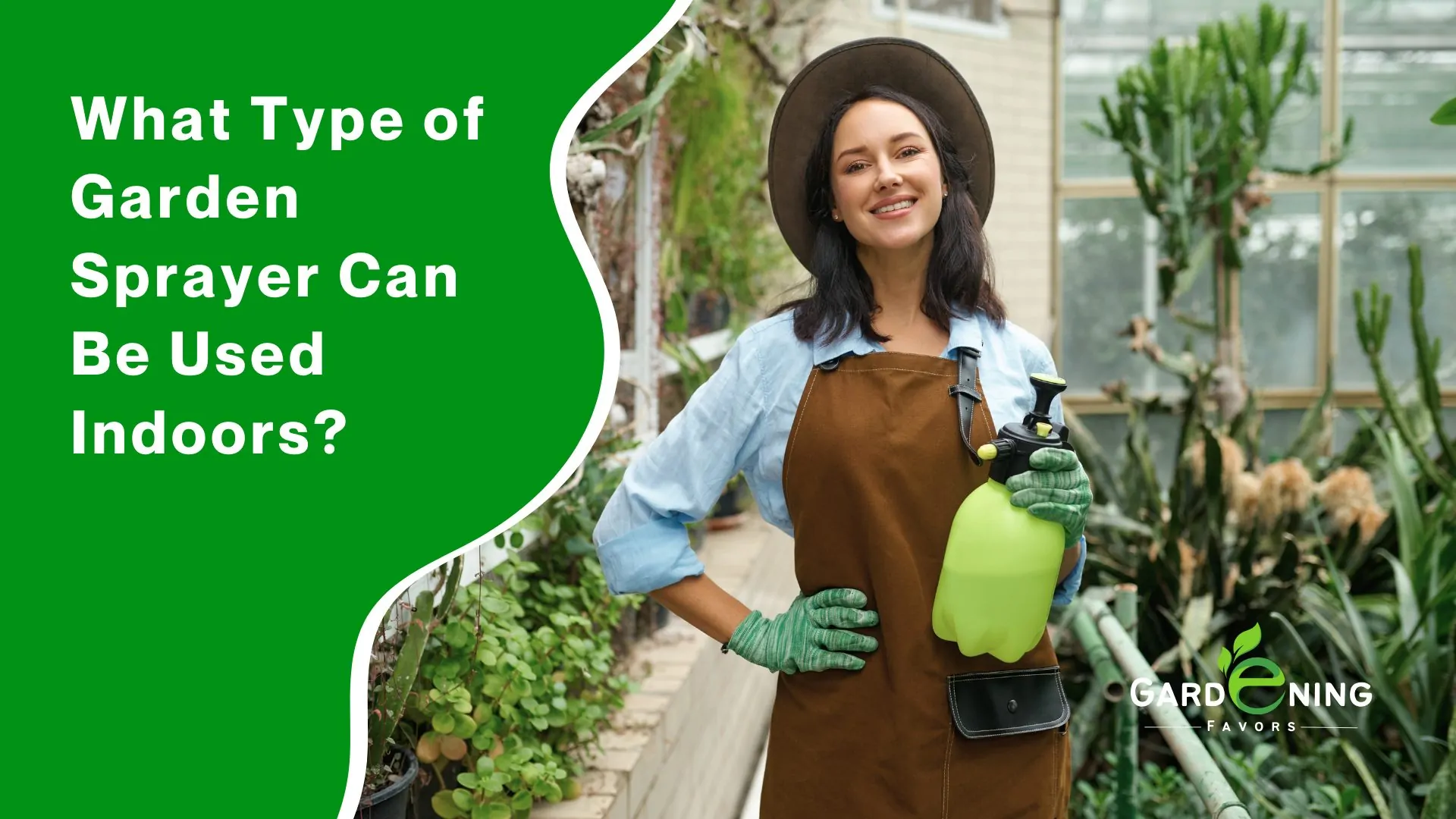
When it comes to maintaining the health of indoor gardens, plants, or even just ensuring the cleanliness of our living spaces, the role of garden sprayers becomes indispensable. However, the transition of these tools from the outdoors to the indoors isn’t as straightforward as it may seem. Safety, efficiency, and the right choice of equipment are paramount to ensure that the indoor environment remains safe and conducive to both plants and humans.
Safety First
Indoor use of garden sprayers requires a keen focus on safety measures to mitigate potential risks associated with their use. Unlike outdoor environments, where there’s ample space and ventilation, indoor settings are confined. The risks of inhaling chemicals, accidental overspray onto furniture, and the potential damage to sensitive surfaces like wood or fabrics necessitate a careful approach.
High-pressure sprayers and airless sprayers, commonly used in outdoor settings for their power and efficiency, are not suitable for indoor use. Their powerful spray can lead to overspray and vaporization of chemicals, posing health risks.
Choosing the Right Indoor Sprayer
Selecting the right type of sprayer is crucial, not only for the efficiency of the task at hand but more importantly, for the safety of the indoor environment. Chemicals, when sprayed, can become airborne, posing risks if inhaled or if they come into contact with sensitive surfaces or furnishings. Thus, understanding which sprayers are safe and suitable for indoor use is the first step in maintaining a healthy and vibrant indoor garden or space.
Handheld Pump Sprayers
Handheld pump sprayers offer a simple, user-friendly solution for indoor gardening needs. Their compact size and manual operation make them ideal for watering plants, applying organic pesticides, or misting leaves for added humidity. These sprayers typically feature an adjustable nozzle, allowing the user to switch between a fine mist for delicate plants and a more direct spray for cleaning tasks or more robust watering needs.
Continuous Spray Bottles
Continuous spray bottles are a step up from traditional spray bottles, providing a more consistent and uniform mist with each pump. This feature is particularly beneficial for indoor plants that thrive in high humidity environments or for applying foliar feeds evenly. Their ease of use and ergonomic design reduce hand fatigue, making them suitable for prolonged use in larger indoor gardens or for general household cleaning tasks.
Battery-Powered Sprayers
For those seeking more convenience and less manual effort, battery-powered sprayers are an excellent choice. These sprayers provide a consistent output with minimal effort, featuring adjustable nozzles for precision spraying and ergonomic handles for comfortable use. They are particularly useful for larger indoor areas or for tasks requiring extended spraying, such as deep cleaning or extensive plant care.
Electric Atomizers
Electric atomizers specialize in delivering a very fine mist, making them perfect for applying foliar nutrients or organic pest control solutions to indoor plants. The atomized spray ensures that the liquid covers the plant’s surface evenly, maximizing absorption and effectiveness. These devices are especially useful for delicate plants that require a gentle touch or for ensuring that pesticides are applied thoroughly without damaging the plant.
Pressure Sprayers with Sealed Systems
Pressure sprayers with sealed systems offer a reliable solution for indoor use, minimizing the risk of leaks and ensuring a controlled application. These sprayers are designed to maintain a consistent pressure, allowing for a steady spray pattern that is ideal for both plant care and household cleaning tasks. The sealed system also helps prevent the backflow of chemicals, ensuring that the sprayer remains safe and contamination-free.
Common Indoor Applications
Plant Care
When it comes to indoor plant care, the choice of garden sprayer can significantly affect the health and growth of your plants. Delicate plants like ferns, orchids, and air plants require a gentle mist that mimics their natural humid environment, enhancing leaf absorption and promoting healthy growth. A sprayer that can deliver a fine mist is crucial for these types of plants, as it ensures the foliage is evenly coated without being weighed down by excess water.
For more robust plants or those requiring soil moisture, a sprayer with a directed spray option is invaluable. This allows for targeted watering at the roots, minimizing waste and preventing the damp conditions that can lead to fungal diseases. When applying foliar fertilizers or pest treatments, precision is key. A sprayer with adjustable settings can distribute these solutions evenly, ensuring that each plant receives the right amount of nutrients or protection without over-application, which could potentially harm the plant.
Organic options for fertilizers and pest control are especially important indoors to maintain air quality and avoid introducing harmful chemicals into your living space. Sprayers used for these applications should be easy to clean and maintain to prevent cross-contamination between different solutions.
Household Cleaning
For household cleaning, sprayers become an effective tool for distributing cleaning solutions across a variety of surfaces. Whether it’s a natural window cleaner, a disinfectant for high-touch areas, or a fabric freshener for upholstery, the right sprayer can ensure that the solution is applied evenly and precisely. This precision helps to avoid the overuse of cleaning agents, reducing the risk of damaging sensitive materials or leaving harmful residues.
In indoor settings, ventilation is crucial when using cleaning sprays to prevent the build-up of fumes that could be hazardous to health. Choosing sprayers that produce a finer mist can help in reducing the amount of airborne droplets, making the cleaning process safer and more comfortable.
Humidity Control
Maintaining optimal humidity levels indoors is not only beneficial for human comfort but also for the health of indoor plants. In dry climates or during winter months when indoor heating can lower humidity levels, misters can provide a much-needed moisture boost. A fine mist sprayer can help in evenly raising the humidity around plants, mimicking their natural humid environments, and can also contribute to a more comfortable living environment for people.
Material Considerations
When selecting a garden sprayer for indoor use, the construction material plays a significant role in both the longevity of the sprayer and the safety of its use within an indoor environment. BPA-free plastics are a popular choice due to their lightweight, durable nature, and chemical resistance, making them safe for use with a wide range of solutions without the risk of leaching harmful substances.
Stainless steel is another excellent option for its durability and resistance to corrosion, especially important when the sprayer is used with various chemicals or stored in damp environments. Stainless steel sprayers can offer a more aesthetic and long-lasting alternative to plastic, though they may come with a higher price tag.
Regardless of the material chosen, it’s important to ensure that the sprayer components, such as seals and hoses, are also made from high-quality, durable materials compatible with the solutions you plan to use. This consideration helps extend the life of the sprayer and ensures that it remains safe and effective for indoor use.
Regular maintenance and cleaning according to the manufacturer’s instructions will further ensure that your indoor garden sprayer continues to function optimally, contributing to a healthy and thriving indoor environment.
Conclusion
The transition of garden sprayers from outdoor to indoor use requires careful consideration of the specific needs and constraints of indoor environments. By prioritizing safety, choosing the right type of sprayer, and adhering to proper maintenance practices, garden sprayers can become indispensable tools for indoor plant care and household cleaning. Safety, as always, should be the guiding principle, ensuring that the use of these tools contributes positively to the indoor ecosystem without compromising the health and well-being of its inhabitants
