How to Get Your Garden Ready for Summer
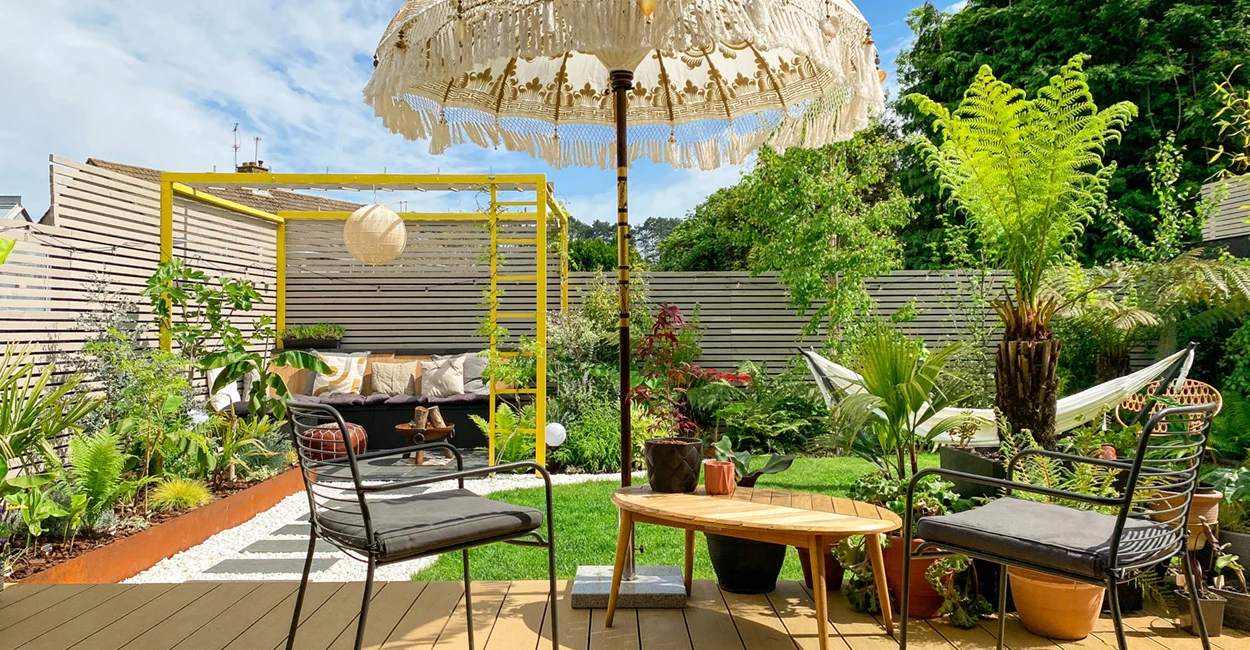

Preparing your garden before summer arrives helps ensure that your plants thrive during the hot months. Proper preparation leads to healthier plants, bigger harvests, and less stress during peak heat.
For example, gardens prepared in spring need less emergency maintenance later (watering or pest control) and can better withstand drought or pests. According to the U.S. EPA, homeowners often use 2–4 times more water outdoors in summer than in cooler months, so starting early can help reduce water waste and keep plants healthy.
Assess Your Garden’s Current Condition
Begin by evaluating your garden’s soil, plants, and overall health. Check soil texture and drainage – a soil test can reveal nutrient levels and pH balance. Soil tests are highly recommended: they measure fertility and pH so you know if lime or fertilizers are needed.
Most vegetables grow best in slightly acidic to neutral soil (around pH 6.0–7.0). Also inspect existing plants for signs of pests or disease (spots, holes, discoloration). Note any weeds, as they will compete with your crops for water and nutrients.
a. Soil: Look at soil condition (loose or compacted, wet or dry). A soil test tells you exactly what’s needed.
b. Plant health: Identify any damaged or dead plants. Trim or remove overcrowded plants so the survivors have room.
c. Weeds and pests: Pull any visible weeds. Look under leaves and along stems for pests (aphids, caterpillars, beetles) or disease, so you can treat them early.
d. Sunlight: Mark sunny and shady areas. This helps you later place sun-loving plants (tomatoes, peppers) in the sun and shade-tolerant plants (lettuce, herbs) in cooler spots.
Clean Up Your Lawn
Now clean and tidy the space. Remove all debris like fallen leaves, dead plants, and old mulch. Clearing out old vegetation helps prevent leftover pests or disease. Prune shrubs and perennials by cutting away dead or overgrown branches – this redirects the plant’s energy to new summer growth. Pull out any remaining weeds, even small ones, so they don’t spread.
i. Now clean and tidy the space. Remove all debris like fallen leaves, dead plants, and old mulch. Clearing out old vegetation helps prevent leftover pests or disease. Prune shrubs and perennials by cutting away dead or overgrown branches – this redirects the plant’s energy to new summer growth. Pull out any remaining weeds, even small ones, so they don’t spread.
ii. Clear debris: Remove sticks, dead plants, and garden waste. Compost or dispose of them to avoid pests overwintering.
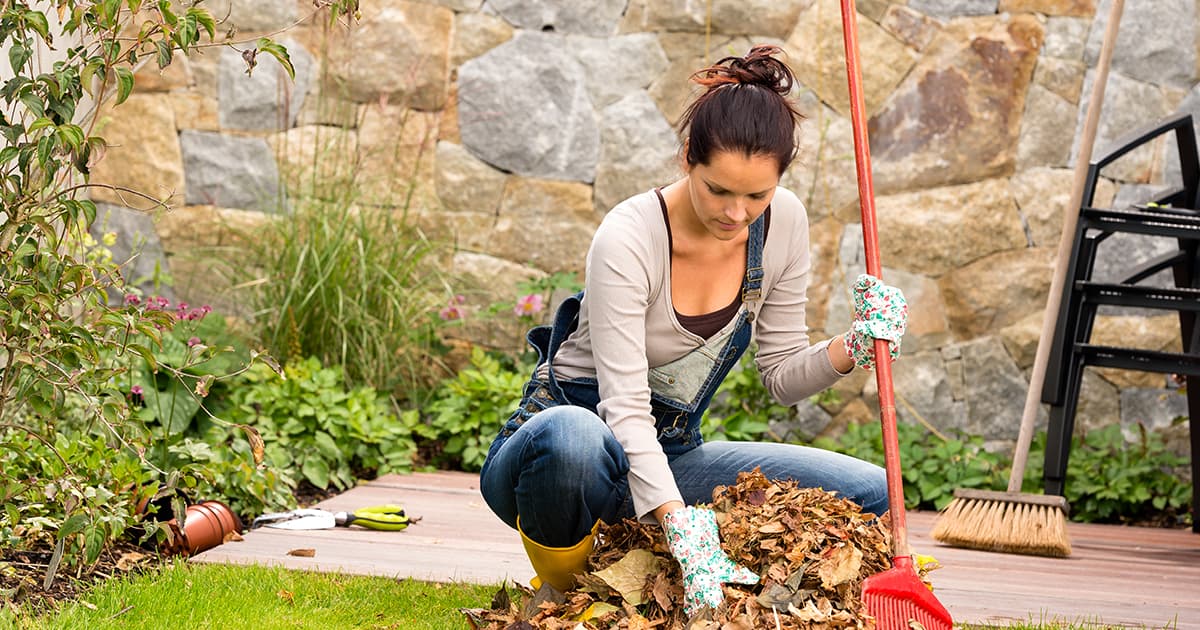
iii. Trim plants: Cut back last season’s growth on shrubs and perennials. Remove spent spring flowers from bulbs. This “grooming” gives new plants more space.
iv. Weed out: Pull weeds by the root. Remove grass or turf at bed edges if needed. Less competition means stronger new plants.
v. Clean beds and paths: Rake soil smooth, edge beds, and clear off walkways. A neat garden is easier to work in and reduces hiding spots for pests.
Prepare and Improve the Soil
Healthy soil is key for summer. After cleanup, loosen and turn the soil in beds with a fork or tiller. Mix in organic matter such as compost or aged manure (about 2–3 inches) which will enrich the soil.
Adding compost greatly improves moisture retention: one study showed that mixing a 3-inch layer of leaf compost into the topsoil made the soil hold about 2.5 times more water than unamended soil. In fact, each 1% increase in soil organic matter can hold roughly 16,500 extra gallons of water per acre (one foot deep). This means plants have more water available during dry spells.
Also apply fertilizers based on your soil test. If nitrogen, phosphorus, or potassium are low, add a balanced fertilizer at the recommended rate. Adjust soil pH as indicated (lime for acidic soil, sulfur for alkaline soil).
Good drainage is also important: if water puddles in parts of your garden, consider mixing in sand or planting in raised beds. All this preparation means plants will have better nutrition and water access when summer heat arrives.
- Soil test and amendment: Use a kit or extension lab test to check nutrients and pH. Amend with lime or fertilizer as recommended.
- Add organic matter: Work in compost or aged manure to a depth of 6–8 inches. This adds nutrients and boosts water-holding (as noted above).
- Improve drainage: If soil is heavy clay or stays soggy, mix in coarse sand or gravels and build raised beds. Good drainage prevents root rot.
Plan Your Summer Garden Layout
Decide now what and where to plant in your garden. Choose summer-ready crops (heat-loving vegetables, fruits, herbs, and flowers). Good examples include tomatoes, peppers, eggplants, corn, beans, squash, cucumbers, melons, basil, rosemary, marigolds, and zinnias. Make a list of plants, and draw a simple plan of your garden beds.
Place plants where they will get the right light: most veggies need at least 6–8 hours of sun. Put the tallest plants (corn, trellised beans or cucumbers) to the north side so they don’t shade shorter ones. Leave space for plants to mature – don’t crowd them. For instance, tomato plants usually need 18–24 inches apart, and squash plants might need 3–4 feet. Overcrowding leads to disease and poor yields.
You can also use companion planting principles: plant basil next to tomatoes (good companions) or marigolds around veggies (to deter some pests). Plan to rotate crops each year (don’t plant tomatoes in the same spot two summers in a row) to prevent soil-borne diseases.
- Choose varieties: Pick plants suited for summer heat. Refer to seed catalogs or local gardening resources for summer plant choices.
- Sunlight: Assign spots for full-sun (e.g. tomatoes, peppers) and partial-shade plants (lettuce, spinach) according to your garden’s sun/shade pattern.
- Spacing: Follow seed packet or plant tag spacing. Enough space reduces mildew and gives roots room to grow.
- Crop rotation & companions: Group good companions (like corn-beans, or herbs with veggies) and avoid planting the same family in one place each year.
Start Planting for Summer
When the soil is warm and any frost danger has passed, start planting. In many regions this is late spring to early summer. Warm-season seedlings such as tomatoes, peppers, eggplants, cucumbers, and squash can be transplanted or sown now. (Cool-season vegetables like lettuce, broccoli, carrots should have been planted earlier in spring.)
If using transplants: remove plants from nursery pots, tease out roots if crowded, and set them in holes so the base of the stem is level with the soil surface. Water in each transplant thoroughly. If sowing seeds (beans, corn, squash, etc.), plant them at the depth recommended on the packet and cover lightly with soil. Firm the soil gently around seeds and water them.
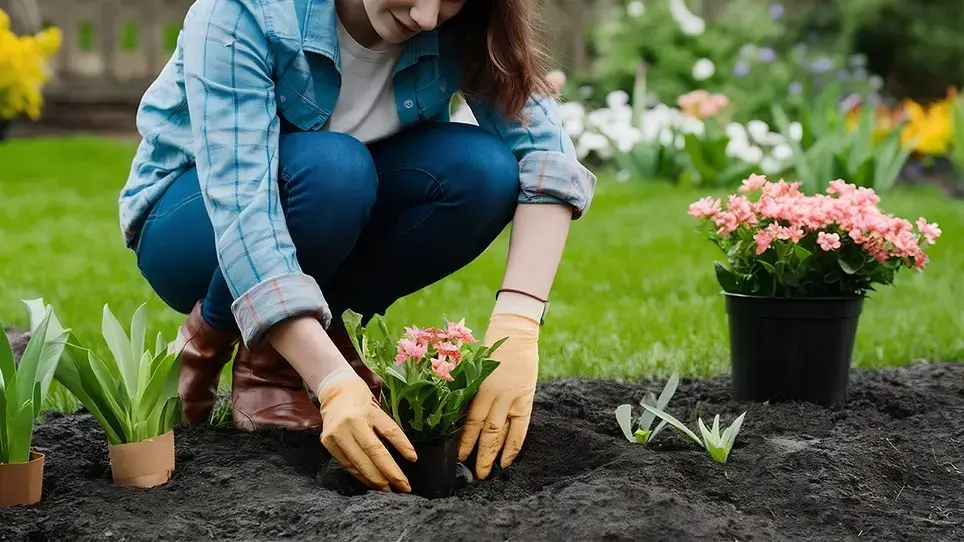
1. Timing is important: always check the planting calendar for your area (or last frost date). Plant too early and cold weather can damage young plants; plant too late and they may not fully mature. After planting, apply a thin layer of mulch to keep soil moist and cool (see next section).
2. When to plant: Use a local planting guide. Generally, wait until night-time temperatures stay well above freezing for tender crops.
3. Transplanting: Harden off seedlings by exposing them to outdoors for a few hours each day over a week. Then plant them at the correct depth.
4. Direct sowing: Plant seeds of beans, corn, squash, melons directly in garden once soil is warm. Cover seeds to the depth on the packet.
5. Water in: Immediately after planting, water deeply to help roots settle. Keep soil damp (not soaked) until seedlings are established.
Set Up Proper Watering System
Water management becomes critical during summer because plants lose more moisture due to heat. Research shows that outdoor water use can account for up to 70% of household water usage in warm seasons. Efficient systems like drip irrigation can reduce water use by up to 50–70%. A proper watering setup helps conserve water while keeping plants healthy and hydrated. Consistent watering is critical in summer heat. Use these tips to water efficiently:
a. Drip irrigation or soaker hoses: These deliver water slowly at the plant base, which wastes much less water than overhead sprinklers. In fact, drip systems can save up to about 70% of water compared to conventional sprinklers. They also keep foliage dry (reducing disease).
b. Sprinklers: If you use sprinklers for lawns or large beds, be aware they use more water. EPA notes that lawns with automatic sprinklers can use about 50% more water than lawns without them. Adjust sprinklers to avoid watering paths or sidewalks.
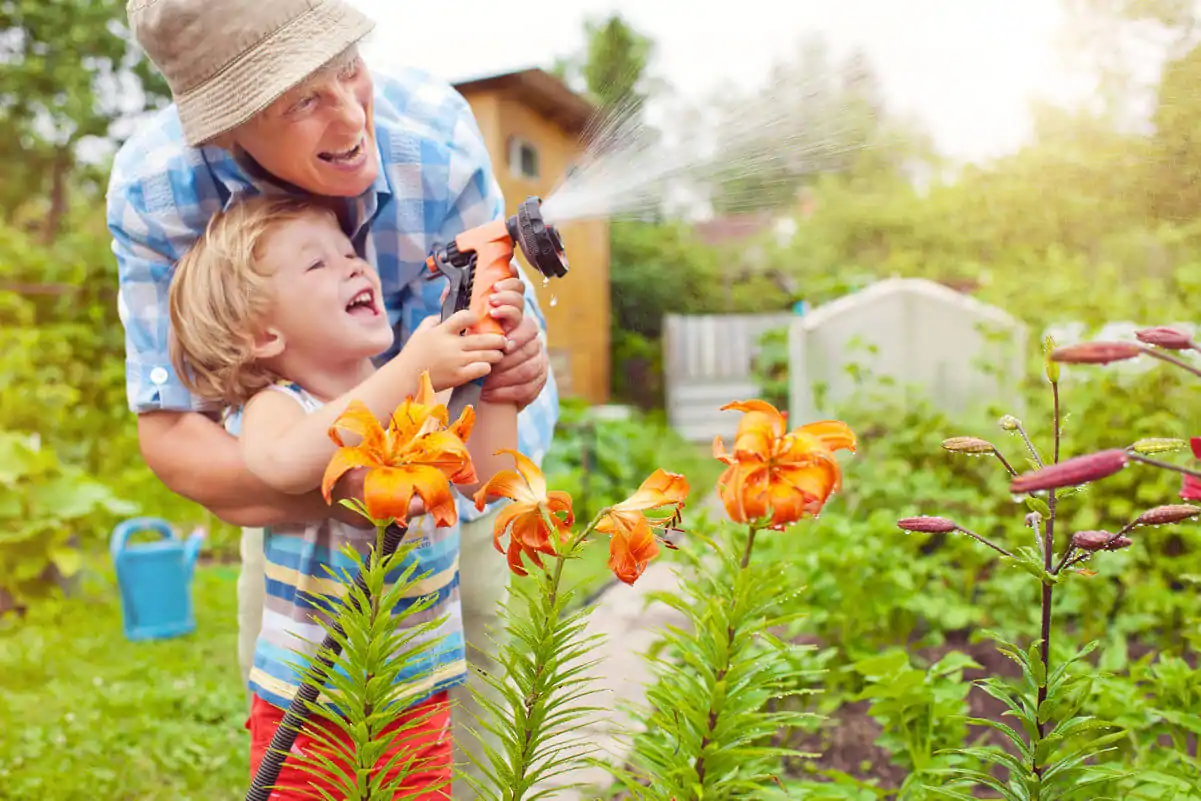
c. Best time to water: Always water early in the morning (before sunrise) or in the evening (after sunset). This cuts evaporation losses. Watering at midday wastes water in the heat, and watering late in the evening can cause mildew.
d. Smart controllers: Consider a timer or WaterSense-labeled irrigation controller that adjusts for weather or soil moisture. Replacing a simple timer with a smart controller can save around 15,000 gallons a year.
e. Check your lawn: EPA suggests a simple test: step on the lawn or garden bed – if the grass or soil springs back, it’s moist enough and doesn’t need watering yet. This prevents overwatering.
Mulching for Summer Protection
Applying mulch around your plants is very beneficial for summer. Spread a 2–3 inch layer of organic mulch (such as straw, grass clippings, wood chips, or leaf compost) over bare soil around plants. Mulch provides multiple benefits:
1. Moisture retention: Mulch greatly slows evaporation from the soil. In fact, studies show that mulched soil can reduce evaporation by about 28–59%, meaning plants require less frequent watering.
2. Weed control: A thick mulch layer blocks weed seeds from sprouting, so you have fewer weeds to pull later.
3. Temperature regulation: Mulch insulates the soil. It keeps soil cooler in extreme heat and prevents it from freezing at night. Stable temperatures help plant roots.
4. Soil health: Organic mulches slowly break down and add nutrients back into the soil over time.
Apply mulch gently around plants, keeping it a few inches away from stems and trunks (to prevent rot). Top-up mulch as needed mid-summer. Mulch is one of the best defenses against summer drought stress. It helps plants stay green and reduces how often you need to water.
Pest and Disease Prevention
Pests and diseases spread faster in warm weather, making prevention very important. Research suggests that early pest control can reduce crop damage by more than 50%. Regular inspection and natural control methods can keep your garden safe without heavy chemical use. Preventive care is always easier and more effective than treating a serious infestation later.
i. Inspect plants: Look under leaves and on stems for insects or eggs, and watch for signs like holes or sticky residue.
ii. Hand removal: Pick off pests by hand when practical. For example, pick caterpillars into a bucket of soapy water. Remove snails or slugs by hand or trap them (beer traps work) to keep their numbers down. These simple steps can eliminate many pests without chemicals.
iii. Spray pests away: Blast aphids, mites, and whiteflies off plants with a strong jet of water. This washes them off leaves without harming the plant.
iv. Morning watering: Water in the morning so foliage dries quickly. Late watering can encourage fungal diseases. As one gardening guide notes, mildew is often caused by watering in the evening, so morning watering prevents it. Also, water the soil at the base of plants rather than spraying leaves.
v. Natural controls: Plant fragrant herbs or flowers like marigolds and basil among vegetables to deter some pests. Encourage beneficial insects (ladybugs, lacewings, bees) by planting flowers like alyssum or yarrow.
vi. Safe treatments: If an infestation is heavy, use organic treatments (insecticidal soap, neem oil) and follow instructions carefully. Apply in cooler parts of the day to avoid burning plants.
vii. Regular garden cleanup (removing diseased leaves, fallen fruit, etc.) and crop rotation from year to year also help prevent problems. Early action is key: a small pest problem now can save a lot of work later.
Lawn Care for Summer
Lawns require special care during summer because heat can dry out grass quickly. Experts recommend watering lawns with about 1 inch of water per week to keep them healthy. Cutting grass too short can increase water loss, while slightly taller grass helps retain moisture. Proper lawn care can improve the overall look of your garden and reduce heat around your home.
a. Raise mower height: Set your mower to cut a little higher (for example, 2.5–3 inches). Longer grass grows deeper roots, which makes the lawn more drought-resistant and reduces weeds.
b. Water wisely: Lawns generally need about 1 inch of water per week (including rain). Water early in the morning. You can use the “step test”: if you step on the grass and it springs back, it doesn’t need water. This prevents unnecessary watering.

c. Fertilize moderately: If not done in spring, apply a slow-release summer fertilizer. Avoid high-nitrogen feeds late in summer, which can burn grass or lead to soft growth that pests like.
d. Repair patches: For dry or dead spots, aerate or de-thatch the lawn, and overseed with a suitable grass mix. Water these spots well to establish new grass.
Prepare Garden Tools and Equipment
Clean and sharpen your tools now. Dull pruners and shovels make work harder. Wipe tools with soapy water or disinfectant to prevent spreading disease between plants. Oil any moving parts. Check hoses, sprinklers, pumps, and timers for leaks or damage – fix or replace broken pieces before the season.
Make sure you have fresh stakes, twine, and nets for supporting vines and tall plants. Stock up on mulch, compost, and other supplies so you don’t run out mid-season. Having everything ready means you won’t delay care once plants are growing. Make your garden a pleasant place to be in summer.
Create shaded seating areas – for example, a bench under a leafy tree or a pergola with vines overhead. Shade structures not only keep you cool, but they can also protect heat-sensitive plants (like lettuces and herbs) from scorching sun. Plant colorful, hardy flowers such as sunflowers, zinnias, or marigolds to brighten the space and attract pollinators.
You might add a birdbath or fountain for wildlife and cooling humidity. String lights or solar lamps can extend enjoyment into warm evenings. These features make the garden inviting and can even benefit your plants and local wildlife.
Ongoing Summer Maintenance Tips
Gardening does not stop after preparation; regular maintenance is key to success. Plants need consistent watering, feeding, and monitoring during summer. Studies show that regular care can increase plant productivity and extend flowering periods. Small daily efforts can prevent bigger problems later in the season.
a. Regular watering and feeding: Continue a steady watering schedule, especially during heat waves. Fertilize about once a month (using compost tea or a balanced organic fertilizer) to replenish nutrients as plants grow and produce fruit.
b. Weeding and mulching: Keep weeds pulled. Add a fresh layer of mulch mid-summer if the old layer has broken down.
c. Deadheading and pruning: Remove spent flowers on annuals to encourage more blooms. Pinch out new growth on herbs (like basil) to keep them bushy. Trim any overly vigorous vines to keep them manageable and fruiting.
d. Monitoring: Check plants for stress, pests, or disease every week. Yellowing leaves might mean a nutrient deficiency. Brown leaf edges can signal underwatering. Treat any problems quickly (adjust water or apply organic remedies).
e. Adjusting for heat: On very hot days, extra watering or temporary shade (using cloth or umbrellas) can save sensitive plants like young seedlings.
f. Harvest often: Pick ripe fruits and vegetables frequently. This not only gives you fresh produce, but it encourages plants (like tomatoes and squash) to produce more. Overripe fruit left on the vine can also attract pests, so harvest promptly.
Common Mistakes to Avoid
Many gardeners make simple mistakes that can affect plant growth. Overwatering alone can waste up to 50% of outdoor water due to evaporation and runoff. Planting at the wrong time or ignoring soil preparation can also reduce yields. Avoiding these common errors helps save time, money, and effort while improving results.
1. Overwatering: Watering too much or at the wrong time is wasteful and can harm plants. EPA notes that up to half of outdoor water is wasted by evaporation or runoff. Always check moisture before watering, and water in the cool morning.
2. Underwatering: On the flip side, letting soil dry out for too long will stress or kill plants. Find the right balance for each plant type.
3. Planting too early or late: Don’t plant heat-loving crops before the soil warms (they’ll get hit by cold), and don’t plant fall crops too late (they won’t mature before frost).
4. Skipping soil prep: Never plant in tired or untested soil. Neglecting amendments and tests usually leads to poor growth or nutrient deficiencies.
5. Overcrowding plants: Cramming plants together may seem space-efficient, but it often means smaller fruits and more disease. Follow spacing guidelines from seed packets.
By avoiding these errors, you prevent setbacks that would require extra work to fix.
Conclusion
Getting your garden ready for summer takes some work in spring, but it pays off with a bountiful and low-stress growing season. The key steps are: clean and prepare your space, amend and test the soil, plan carefully, and water wisely. Mulch generously and stay vigilant against pests. Consistent care (watering in the mornings, removing weeds, and feeding plants) will keep your garden thriving through the hot summer months. Enjoy the results of your effort with a vibrant summer garden.