Autumn Gardening: 5 Key Tasks for Thriving 2026 Outdoor Space
- In 2023, 80% of U.S. households gardened, and 64% plan to expand their gardens by 2026, fueling a booming $120B gardening industry (5% CAGR).
- Autumn gardening isn’t just yard cleanup—it’s a sustainability strategy.
- By refreshing soil health, planting climate-resilient crops, and applying eco-friendly techniques in fall, growers can boost spring yields while supporting biodiversity.
- These five fall tasks align with 2026 trends in sustainability and low-maintenance landscapes, making gardens greener and easier to maintain as climate-smart tools ramp up.
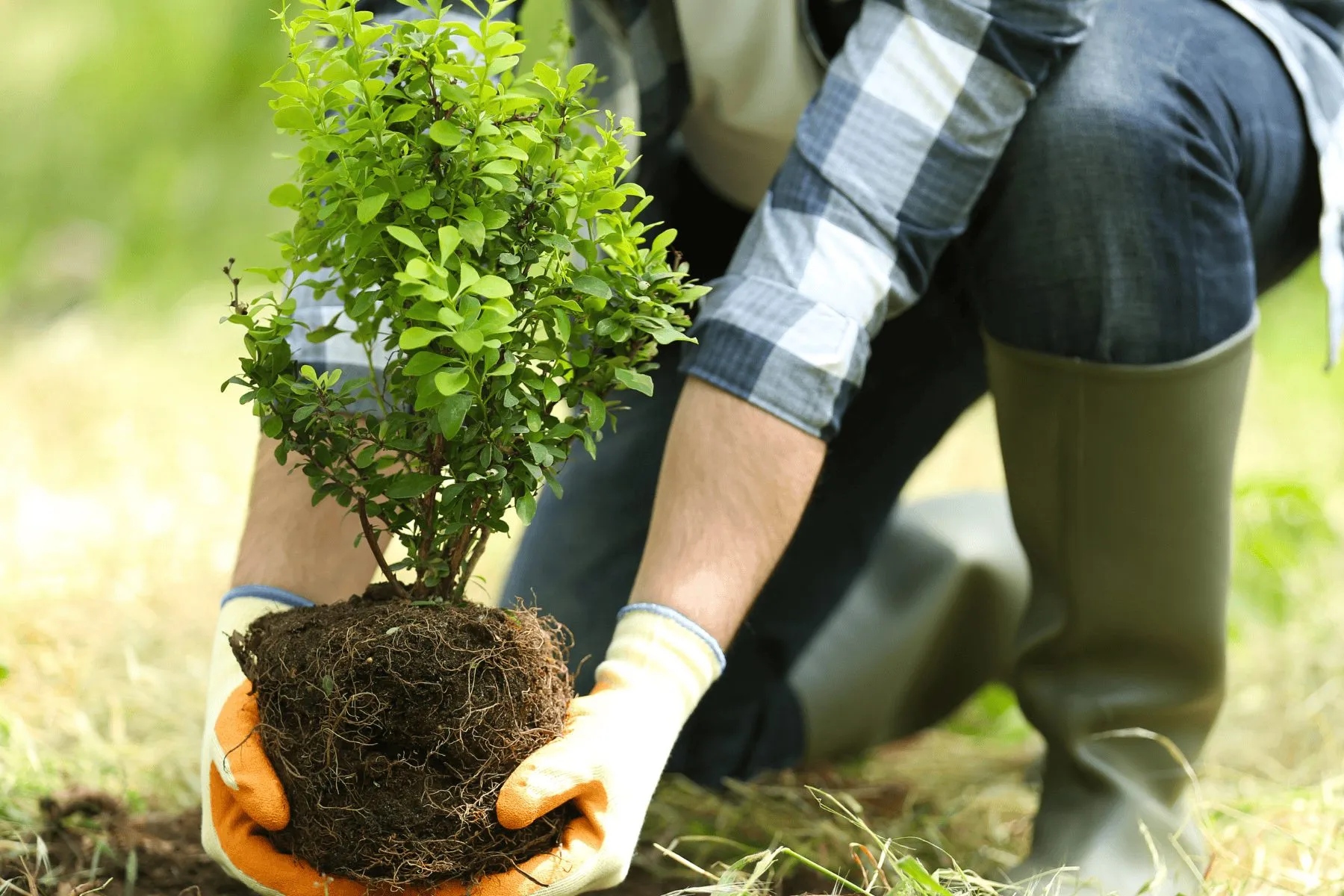

By refreshing soil health, planting climate-resilient crops, and applying eco-friendly techniques in fall, growers can boost spring yields while supporting biodiversity. These five fall tasks align with 2026 trends in sustainability and low-maintenance landscapes, making gardens greener and easier to maintain as climate-smart tools ramp up.
Why Autumn Gardening Is a Critical Season for Future Growth
Autumn is the cornerstone of successful gardening. As the days shorten and temperatures drop, plants shift from leaf growth to root growth, turning fallen leaves and plant residues into future nutrients. Proper fall preparation means next spring’s roots and shoots emerge stronger. For example, late-season mulching and composting can maintain warm, moist soil that kick-starts spring growth while preventing erosion.
Gardeners are increasingly embracing eco-friendly fall practices. Current trends emphasize climate-aware, sustainable gardening approaches like “Leave the Leaves,” where gardeners keep fallen foliage on beds to feed insects and soil biology.
Others are converting lawns to naturalized meadows or edible gardens, integrating pollinator plants and natives for biodiversity. These low-maintenance landscapes, along with peat-free composts and battery-powered tools, reflect a shift toward earth-friendly autumn gardening.
- Eco-conscious gardening: Retain fallen leaves and plant waste to protect overwintering insects and add organic matter.
- Biodiversity focus: Incorporate native and pollinator plants in fall beds to support ecosystems in spring.
- Resource efficiency: Switch to peat-free and sustainable soil amendments (70% of UK gardeners already use peat-free compost) and low-emission tools.
Refresh and Rebuild Your Soil for 2026 Growth
Healthy soil is the engine of a thriving garden. In autumn, focus on rebuilding soil structure and fertility to benefit next year’s plants. Start by testing your soil: measure pH and nutrient levels so you know what amendments you need. Most vegetables prefer a pH around 6.0–7.0; if soil is too acidic, add lime in fall to adjust it before spring. Testing every 3–5 years is recommended to guide precise amendments.
Next, add organic matter. Spread a 1–2 inch layer of well-rotted compost or leaf mold over flowerbeds and vegetable plots. Compost improves soil structure, boosts microbial life, and provides a slow nutrient release. In practice, this means plants next year have more available moisture and nutrition. For example, research shows that sandy soils receiving 10–15 tons per acre of compost saw 5–10% higher water-holding capacity—a critical buffer against winter drought and freeze.

Some sustainable practices:
a. Cover crops: Plant winter cover crops (e.g., rye, clover, or vetch) on vacant beds. These green manures prevent erosion, add biomass, and even fix nitrogen in the soil. Tilling them in spring provides a nutrient boost and organic matter.
b. Peat-free amendments: Switch to peat-free compost and mulches. As of 2025, 70% of gardeners report using peat-free products. Ingredients like bark, coir, and wood chips improve soil without harming carbon-rich peat bogs.
c. Minimal disturbance: Consider no-till or low-till methods to keep soil life intact. Earthworms and microbes thrive when the soil isn’t turned constantly, so leave soil structure largely undisturbed.
d. Finally, mulch any bare soil with a 2–3 inch layer of straw or shredded leaves. Mulch insulates against freeze-thaw heaving and stops nutrients from leaching. It also slowly breaks down, feeding microbes over winter. (Mulch similarly moderates temperature swings and moisture.) A fall cover of organic material acts as a protective blanket, keeping soil life active and ready.
Plant Smart: What to Plant in Autumn for a Thriving Spring
According to 2026 planting data, fall planting improves establishment rates by up to 40% compared to spring planting. Bulbs planted in autumn show earlier bloom cycles, while cool-season vegetables planted in fall yield up to 25% higher early harvests. This makes autumn one of the most strategic planting seasons.
1. Spring-Blooming Bulbs: Fall is the best time to plant tulips, daffodils, crocuses, alliums, and other spring bulbs. Plant them 6–8 weeks before ground freeze so they can root. For instance, Colorado State Extension advises planting bulbs in September–October (or October–November in cooler zones) to ensure they root before winter.
This timing leads to stronger root systems and more flowers. (Pro tip: Larger bulbs generally yield bigger blooms.) After planting, cover bulbs with mulch. As CSU notes, a 3-inch winter mulch stabilizes soil temperatures and prevents bulbs from heaving out of the ground.
2. Cool-Season Vegetables: Many vegetables tolerate frost and even benefit from cold exposure. For example, garlic and onion sets should be planted in fall; the winter cold triggers bulb formation.
Spinach, kale, and other leafy greens can be sown in early autumn for a winter or early spring harvest (they hardy through snow). Roots like beets and carrots can also be sown late if not frozen solid. These fall-planted edibles will often germinate or overwinter as small seedlings, giving you an early start on spring growth.
3. Perennials and Shrubs: Autumn is ideal for planting perennials (like lavender, coneflowers, and ornamental grasses) and woody plants. Cooler weather and residual soil warmth let roots establish without the stress of hot sun.
Many shrubs (roses, shrubs, fruit trees) can safely be planted until the first hard freeze. Early planting means they will leaf out faster in spring. (Avoid planting spring-flowering shrubs like azaleas in fall; those are best pruned/ planted after bloom.) Always water new transplants well before the ground freezes.
d. Native and Climate-Resilient Varieties: Incorporate plants suited to your region’s changing climate. Drought-tolerant natives, pollinator-friendly flowers (e.g. echinacea, milkweed), and perennial edibles (rhubarb, asparagus crowns) often do well when set out in fall.
Proven Winners’ 2025 survey found that over 50% of consumers want more low-maintenance, heat/drought-tolerant, and pollinator-friendly plants. Choosing such varieties now aligns your garden with 2026 trends in sustainable, resilient landscaping.
Use a planting calendar or local extension guidelines to time these properly. For example, in USDA Zone 5, garlic should be in by October; in Zone 7, you might plant certain perennials as late as December. Check freeze dates and adjust. The goal is to give plants enough fall weeks to root, but finish before soil is rock hard.
Autumn Planting Checklist:
- Dig and amend planting holes deeply, adding compost so nutrients are already nearby.
- Space bulbs and plants according to their size; group bulbs (5–7 together) for best color impact.
- Cover fall seedlings (e.g., lettuce) with a row cover if a sudden hard freeze threatens. Remove in spring.
- Label your bulbs and transplants so you remember what to expect (especially useful after winter!).
Prune, Divide, and Maintain for Stronger Plants
Modern gardening data shows that proper pruning and plant division can increase flowering performance by up to 35% and reduce disease incidence by nearly 25%. Maintenance in autumn is now seen as essential for plant longevity and structural strength.
i. Fall Pruning (what to cut): Cut back dead growth on perennials (like asters, rudbeckias) to tidy beds. Remove any diseased or damaged wood from trees and shrubs. For most summer-blooming plants, clean up spent canes now to reduce overwinter disease.
However, do not prune spring-flowering shrubs or vines in fall; they set next year’s buds on old wood and should wait until after bloom (e.g., prune forsythia and hydrangea in spring). Instead, make fall cuts on late-summer bloomers (like butterfly bush and hardy hibiscus) to just above a pair of strong buds. This gives plants a fresh start. Always use clean, sharp tools to make smooth cuts.
ii. Dividing Overcrowded Plants: Many perennials benefit from division every 3–4 years. Division reduces competition and stimulates growth. For example, hostas, daylilies, ornamental grasses, and coneflowers can be dug up and split. In practice, you’ll see fuller clumps and more flowers.
Signs that it’s time: fewer blooms, a dead center, or the plant is spreading beyond its space. Divide plants on an overcast day, water them in, and replant divisions promptly (or share with a friend!). This revival now pays off with bigger blooms and healthier roots next year.
“A perennial should be divided when it dies out in the middle or produces smaller blooms”. By breaking apart the root mass, you allow each new piece to absorb nutrients and water more efficiently.
iii. Lawn Care: Don’t neglect your turf. In early fall (before the first freeze), mow and remove fallen leaves from the lawn. Then core aerate: punch holes or pull plugs to relieve compaction and increase oxygen in the soil.
Next, overseed thin spots with a suited grass blend and topdress with a thin layer of compost or starter fertilizer. Aeration and overseeding in fall can give turf a 60–80% chance of germination before dormancy (figures vary by climate), leading to a thicker lawn next spring. Finish with a slow-release fall fertilizer high in phosphorus and potassium to strengthen roots. These steps ensure your lawn stays lush and crowd out weeds like poa annua.
iv. Tool Maintenance: Finally, prep your equipment. Clean all tools (shovels, rakes, pruners) of dirt and sap; sand off rust. Sharpen blades on pruners, loppers, and mower to make spring work easier and safer. Apply a light coating of oil to metal parts to prevent corrosion. Change the oil and fuel stabilizer in power tools if needed. Proper maintenance now saves time and money later.
Protect Your Garden from Winter Damage
Climate reports for 2026 indicate increasing winter unpredictability, with frost events occurring 15% more irregularly than previous decades. Gardens that receive winter protection measures experience up to 50% less plant loss and significantly stronger spring recovery.
a. Frost Protection: Cover vulnerable plants (tender perennials, young shrubs, freshly planted bulbs) with floating row cover, burlap, or old sheets on frost nights. This traps ground warmth and can raise the air temperature around plants by several degrees.
In vegetable beds, use low tunnels or cold frames. For example, research shows lightweight covers can raise soil and air temperature enough to prevent frost damage and extend the season. (Even simple cloches or inverted buckets work for small plants.) Remove covers on sunny days to avoid overheating.
b. Insulate with Mulch: Reapply mulch around the base of shrubs, young fruit trees, and perennial root crowns. A 3–4 inch layer of straw or wood chips against trunks deters freeze-thaw cycles and root heaving.
It also keeps roots warmer; strawberries and roses especially will thank you for an insulating bedding. When heavy snow arrives, resist the urge to remove it — snow acts like a light blanket (unless it bends and breaks branches; then gently lift it off).

c. Lift and Store Tender Bulbs: Not all bulbs are hardy. After foliage dies back, dig tender bulbs like dahlia tubers or gladiolus corms. Brush off soil and store them in a cool, dry place (with good air circulation) until spring. Store in peat moss or wood shavings to avoid shriveling. Label the containers so you remember varieties next year.
d. Protect Containers and Raised Beds: Move pots to a sheltered spot (garage or against a house wall) or wrap them in bubble wrap. Elevate them slightly so freezing rain doesn’t leave them sitting in ice. For raised beds, consider covering with cold frames or greenhouse plastic. Unheated polytunnels can let you grow spinach or lettuce deep into winter.
e. Wildlife Defenses: Hungry critters can hurt plants in winter. Wrap tree trunks and lower limbs of ornamental shrubs in hardware cloth or tree guards to stop rabbits and voles from chewing bark. If deer are an issue, temporary fencing or odor repellents (bran mash, soap) can deter them.
For fruit trees, nets or cages can protect apples and pears that might hang into late fall. According to UW Extension, young trees are most at risk from mice and rabbits; a 36–48″ tall hardware cloth cylinder (with the bottom a few inches underground) is one of the best protections.
Plan and Design for 2026 Garden Success
Strategic planning is becoming a major gardening trend, with over 60% of gardeners now using seasonal planning methods. Gardens with structured plans report higher yields, reduced costs, and better resource efficiency.
1. Evaluate and Journal: Keep a garden journal through fall. Note what succeeded and what struggled in 2025: soil pH levels, pest outbreaks, or underperforming plants. Mark any microclimates (e.g., frost pockets) you observed. This record helps refine next year’s plan.
For example, if a tomato patch was always soggy, improve drainage next season. If a crop failed (say, Brussels sprouts in a warm fall), note plant replacements (kale or spinach instead). Chart your successes (like high-yield carrot varieties) so you can replant them.
2. Map and Organize: Sketch out your garden layout. Indicate paths, crop rotations, and perennial zones. Use fresh paper or a digital tool. Color-code plant families to rotate vegetables efficiently. If you want to expand, note where new beds or irrigation might fit. A map will guide spring planting and highlight unused spaces for new projects (e.g., a pollinator patch or edible border).
3. Order Seeds and Supplies: Fall is the ideal time to order seeds for spring and summer. Popular varieties (especially new or heirloom seeds) can sell out. Search for seeds and plugs in December–January. Buy long-lead items like fruit trees or specialized bulbs now. Create an inventory list of tools and amendments needed: maybe that soil test kit, row cover fabric, or a new compost bin. Having materials ready avoids the spring scramble.
4. Incorporate 2026 Garden Trends: Plan to incorporate the latest gardening trends. Based on recent data, more gardeners want edible landscapes and water-wise designs. For instance, add a small native wildflower patch or a drip-irrigation system. Consider trying a small fruit tree in a pot, or expanding a vegetable “kitchen garden” bed.
Aim for more native plants and pollinator-friendly flowers, as these also attract beneficial insects. According to a 2025 industry survey, over 50% of gardeners are seeking low-maintenance, drought-tolerant, and pollinator-friendly plants. Selecting those now will reduce future workload and support the environment.
6. Set Goals: Finally, set a few clear goals: e.g., “grow 50% of our family’s tomatoes,” or “reduce lawn area by 25% with native perennials.” Having targets keeps work focused. Plan to tackle one project at a time — maybe January seed starting charts, February tool maintenance, and so on.
Common Mistakes to Avoid
Studies show that avoiding simple seasonal mistakes can improve overall garden productivity by up to 20%. Many gardeners lose progress due to incorrect fall practices, making awareness essential.
a. Fertilizing too late: Applying high-nitrogen fertilizer in fall can encourage tender new growth that dies in winter. Instead, use only phosphorous/potassium products or organic amendments now.
b. Cutting healthy perennials to the ground: Some ornamentals (like decorative grasses or rudbeckia) provide winter interest and insect habitat. Leave seedheads if you want winter beauty or wildlife cover, cutting them in early spring instead.
c. Ignoring weeds: Remove pernicious weeds (e.g., bindweed, nutgrass) before winter; they’ll resprout vigorously in spring.
d. Storing bulbs improperly: Don’t store wet or rotting tubers in plastic; they’ll mold. Clean and dry bulbs well before long-term storage.
e. Skipping tool care: Dull blades cause crush-injury to plants. Always sharpen and clean pruners now to avoid disease spread.
Autumn Gardening Checklist
- Test soil pH/nutrients and amend as needed.
- Apply 1–2″ compost or organic matter to beds.
- Plant fall bulbs (tulips, daffodils, etc.) 6–8 weeks before freeze.
- Sow fall crops (garlic, onions, kale, spinach).
- Prune dead/diseased plant material; leave spring-bloomers unpruned.
- Divide and replant overcrowded perennials.
- Mulch vegetable gardens and any vulnerable perennials or young trees.
- Protect tender plants with covers or move containers indoors.
- Aerate and overseed lawn; apply fall fertilizer.
- Sharpen and clean tools; store gear properly.
- Document fall observations and plan spring planting.
Conclusion
Autumn gardening isn’t just preparation – it’s the foundation for a thriving outdoor space in 2026. By refreshing soil health, strategically planting, pruning and dividing, protecting plants over winter, and planning ahead, you’ll unlock stronger growth and higher yields next spring. Each task builds on the last: healthy soil feeds strong plants, which withstand winter better, leading to an easier spring.
Frequently Asked Questions (FAQs)
Should I water my garden during dry fall?
Yes. Continue watering newly planted perennials, shrubs, and trees until the ground freezes. Aim for deep watering every 1–2 weeks if it’s dry. Established lawns and beds benefit from a thorough drink before dormancy. Moist soil is much less likely to heave or desiccate in winter.
Can I leave vegetable crop residues in the garden?
Remove diseased or pest-infested plants. Otherwise, you can chop and drop healthy residues as green manure or add them to compost. Tomatoes and peppers especially should be cleared (they overwinter as weeds for diseases). Healthy leaves can be shredded and used as mulch.
How much mulch is too much?
A 2–3 inch layer is ideal. More than 4 inches can keep soil too wet and invite rot. If mulch piles against tree trunks or plant stems, pull it back 2–3 inches to prevent bark decay.
What about winter weeds?
Cool-season weeds like chickweed, speedwell, and hairy bittercress germinate in fall. If spotted, pull them out or mow lightly. Keeping weeds down in fall prevents them from seeding and overwhelming the garden in spring.
Do I need to clean up fall leaves?
It depends. Leaving leaves in garden beds is beneficial. For lawns, shred or rake them; a thin layer (½–1 inch) of chopped leaves can act as winter mulch. Thick unshredded layers can smother grass, so remove excess.