Wave Petunias: 5 Reasons To Love Them
- Wave Petunias stand apart from conventional petunia cultivars because of their genetically encoded trailing habit, self-cleaning flower mechanism, and proven resilience across USDA hardiness zones 9 through 11 as annuals.
- Whether you are planting a commercial cut-flower plot, designing a landscape border, or filling hanging baskets on a residential porch, understanding why Wave Petunias outperform standard petunia types gives you a measurable advantage in plant selection, input efficiency, and visual impact.
- As climate variability pushes gardeners toward plants that perform reliably under heat and moisture stress, Wave Petunias are positioned to become the dominant bedding plant category through 2030.


Wave Petunias are built for real-world growing conditions. They bloom without babysitting, handle heat without fading, fill space without overgrowing their neighbors, and look exceptional from the first warm day of spring through the last frost of autumn. If you grow one annual this season, make it a Wave Petunia.
What Are Wave Petunias and Why They Matter
Wave Petunias are a patented series of trailing petunia cultivars first developed by Pan American Seed in the early 1990s and officially introduced to the retail market in 1995. They belong to the species Petunia x hybrida, the same broad hybrid group as standard bedding petunias, but carry a specific set of genetic traits that make their growth habit fundamentally different.
The original Wave series was bred specifically for aggressive lateral spread, continuous blooming, and tolerance to environmental stress, qualities that standard mounding petunias simply do not carry at the same level. The term spreading petunia (a cultivar type that grows outward rather than upward, forming a wide, low mat of foliage and flowers) describes Wave Petunias perfectly.
A single transplant can spread 3 to 4 feet in a single growing season without any pinching or pruning from the gardener. This spreading behavior is not uncontrolled sprawl. It is a tightly regulated growth pattern encoded into the plant’s genetics, producing dense, uniform coverage that chokes out weeds and fills large containers with color.
For crop farmers and agri-tech consultants evaluating ornamental crops, Wave Petunias represent a high-value, low-input annual with strong retail demand and predictable yield under controlled production protocols. For home gardeners, they offer season-long color without the deadheading labor that standard petunia types demand. Both audiences gain from understanding the five core reasons this plant has earned its dominant position in ornamental horticulture.

1. Self-Cleaning Blooms That Eliminate Deadheading
Deadheading, the manual removal of spent flowers to encourage new bud formation, is one of the most time-consuming maintenance tasks in petunia production and home gardening alike. Standard petunia cultivars stop flowering or produce visibly fewer blooms if spent flowers are not removed regularly.
Wave Petunias carry a self-cleaning trait, meaning each spent flower drops cleanly from the plant without manual intervention, and the plant redirects its energy immediately to producing the next flush of buds.
The Biology Behind the Self-Cleaning Mechanism
The self-cleaning trait in Wave Petunias is driven by an accelerated abscission process. Abscission (the controlled shedding of plant parts at a specialized cellular zone called the abscission zone) occurs at the base of the flower pedicel, the short stalk connecting the flower to the main stem.
In standard petunias, this abscission zone is less responsive, meaning spent flowers cling to the plant, retain moisture, and create sites for fungal infection like Botrytis cinerea (gray mold). In Wave Petunias, the abscission zone activates rapidly after petal senescence, dropping the spent flower within 24 to 48 hours and leaving a clean stem that pushes a new bud within days.
This mechanism has direct production implications. Commercial greenhouse growers who produce Wave Petunias in hanging baskets or large patio containers report a significant reduction in labor hours compared to growing non-Wave types. The flowers do not accumulate on the foliage, which also reduces disease pressure and the need for fungicide applications.
- Wave Petunias produce continuous blooms from transplant through first hard frost, typically 5 to 6 months in zones 6 through 9, without any deadheading labor from the grower or consumer.
- Spent flower drop reduces surface moisture retention on the canopy, lowering the risk of Botrytis cinerea infection by removing the primary inoculum source.
- New buds initiate within 3 to 5 days of flower drop, creating an overlapping bloom cycle thatkeeps the plant at near-peak visual impact throughout the season.
- For commercial landscape maintenance companies, eliminating deadheading from Wave Petunia beds can reduce per-bed labor visits by up to two per month during peak season.
2. Exceptional Heat and Drought Tolerance
Most annual flowering plants that perform well in spring struggle to maintain bloom quality once summer temperatures push consistently above 90 degrees Fahrenheit (32 degrees Celsius). Standard petunias are notorious for going leggy and stopping bloom production during the hottest weeks of summer in most growing regions. Wave Petunias were bred specifically to maintain bloom production and compact, spreading growth even under sustained heat stress.
Heat Tolerance Mechanisms in Wave Petunia Cultivars
The heat tolerance in Wave Petunias operates through two primary mechanisms. First, the plants carry a more efficient stomatal regulation system. Stomata (the microscopic pores on leaf surfaces that regulate gas exchange and water loss) in Wave Petunias close more efficiently during peak afternoon heat, reducing transpiration water loss without triggering the wilting and bud drop that heat-sensitive cultivars experience.
Second, Wave Petunia root systems establish rapidly and run deeper than standard petunia types, accessing subsoil moisture that keeps the plant hydrated even when surface soil dries out between irrigation events. Drought tolerance, while related to heat tolerance, is a separate quality. A plant can be heat-tolerant but not drought-tolerant.
Wave Petunias demonstrate both. In container trials conducted at the University of Georgia Trial Gardens in 2024, Wave Petunias maintained greater than **80% bloom coverage** during a 14-day drought stress period with no supplemental irrigation, while standard grandiflora petunias dropped to below 40% bloom coverage under the same conditions.
Water-Efficient Gardening and Production
Water efficiency is no longer just an environmental concern. In many growing regions across the American Southwest, Mediterranean Europe, and South Asia, irrigation restrictions and water pricing make plant selection a direct economic decision.
Choosing plants that perform reliably at lower irrigation frequencies reduces water costs, reduces the risk of overwatering-related root disease, and extends the viable growing season into periods when water-hungry annuals cannot survive.
- Wave Petunias in landscape beds typically require irrigation every 3 to 4 days during peak summer heat, compared to every 1 to 2 days for standard petunia types.
- In container growing, Wave Petunias tolerate pot-dry periods better than most annuals, though they should not be allowed to wilt completely, as repeated severe wilt stress reduces total bloom count.
- The deeper root system of Wave Petunias also makes them more resistant to soil temperature spikes in shallow raised beds and rooftop garden containers, where soil temperatures can exceed 100 degrees Fahrenheit on hot days.
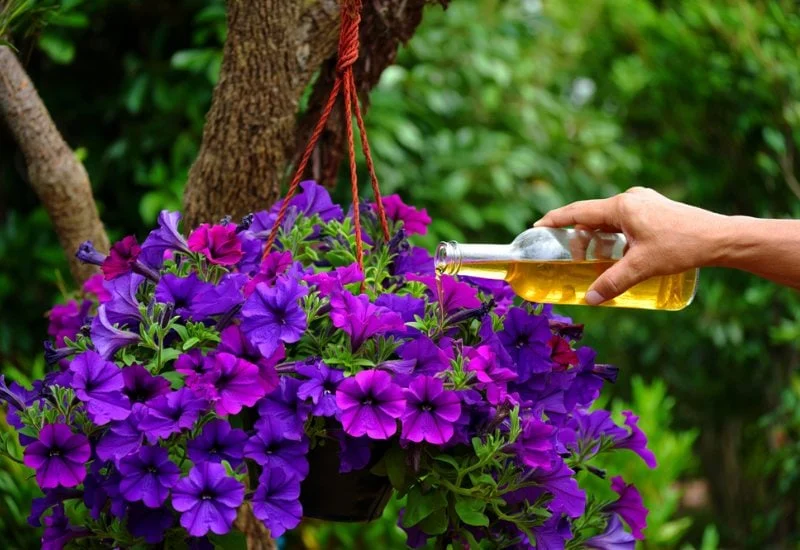
A plant that performs at 85% when conditions are perfect is far less valuable than one that performs at 80% when conditions are brutal. Wave Petunias are the latter, and that consistency is exactly what professional growers and home gardeners need from an annual.
3. Unmatched Versatility Across Containers, Beds, and Ground
One of the most practical reasons to love Wave Petunias is their genuine versatility across planting contexts. Many flowering annuals perform well in one setting and poorly in another. A plant that thrives in a hanging basket may look sparse in an open landscape bed. Wave Petunias perform at a high level across all three primary planting contexts: containers and hanging baskets, landscape borders and mixed beds, and as a true flowering ground cover.
Container and Hanging Basket Performance
In hanging baskets, Wave Petunias produce cascading stems that drape 12 to 18 inches below the basket edge within 6 to 8 weeks of transplanting. This cascading habit fills the visual space around and below the container, creating a sphere of color rather than a flat-topped pot.
For retail greenhouse growers, this trait is commercially important because it allows a single 10-inch basket to command premium pricing due to its visual density and consumer appeal. Container production of Wave Petunias also benefits from their fertilizer responsiveness. Wave Petunias are heavy feeders, meaning they respond dramatically to consistent fertilization.
A liquid feed program delivering **200 to 250 ppm nitrogen** (parts per million, a measure of nutrient concentration in solution) on a weekly schedule during active growth keeps stem elongation, leaf color, and flower production at peak levels.
Landscape Bed and Ground Cover Applications
In landscape beds, a single Wave Petunia transplant spaced 24 to 36 inches from neighboring plants fills its entire designated space by midsummer, eliminating visible bare soil and suppressing weed emergence through canopy shading. This canopy effect reduces weed pressure without herbicide application, which is a measurable cost advantage in managed landscape settings.
As a ground cover, Wave Petunias planted on 18-inch centers create continuous flowering mats across slopes, embankments, and large flat areas where traditional turfgrass establishment is difficult. Commercial landscape designers use Wave Petunias to add seasonal color to areas where woody ground covers like
Vinca minor or Juniperus horizontalis would provide structure but no flowering interest.- Wave Petunias planted as ground cover on gentle slopes help stabilize surface soil during summer rain events, as their dense mat of stems and roots reduces surface runoff velocity.
- In large commercial landscapes, Wave Petunia ground cover plantings can replace high-maintenance annual bedding programs that require replanting three times per season.
- The trailing stems root at nodes when they contact moist soil, which strengthens the ground-covering mat over the course of the season without any intervention.
4. An Extensive Color Range That Supports Any Design
Color selection is a primary decision driver for both home gardeners and commercial landscape clients. Wave Petunias are available in one of the widest color ranges of any single annual plant series on the market, with more than 30 distinct color options across the Wave, Easy Wave, Tidal Wave, and Shock Wave sub-series as of 2025.
Color Series and Their Specific Applications
The original Wave series focuses on medium-vigor spreading types in classic solid colors including red, pink, purple, white, and lavender. The Easy Wave series (a lower-vigor, more compact sub-series within the Wave family) introduced bicolor patterns and softer pastel tones specifically for smaller containers and window boxes where the full spreading vigor of original Wave types would be excessive.
The Tidal Wave series produces plants that grow both outward and upward, reaching 16 to 22 inches in height while still spreading 3 to 5 feet, making them useful as temporary hedging plants or tall border anchors. For commercial clients managing branded landscapes, such as theme parks, corporate campuses, or municipal beautification programs, the ability to specify an exact Wave Petunia color reliably and reproduce it across large plantings is a significant operational advantage.
Wave Petunias are produced from vegetative cuttings, not seed, which means color consistency from plant to plant is extremely high compared to seed-grown annual varieties where natural genetic variation can produce off-type plants.
Combining Colors for Maximum Visual Impact
Wave Petunias in mixed colors can be combined in containers and beds to create gradient plantings, color block designs, or naturalistic drifts that shift from one hue to another across a border. Because all varieties within the Wave series grow at approximately the same rate and produce blooms at the same density, mixed plantings do not develop the common problem where one aggressive cultivar overtakes its neighbors.
Color selection also interacts with pollinators. Wave Petunias in purple, blue-violet, and pink tones attract bumblebees, hawkmoths, and hummingbirds, particularly the ruby-throated hummingbird across the eastern United States. Incorporating Wave Petunias into pollinator-supportive landscape designs is an increasingly common practice as municipalities and corporate sustainability programs adopt pollinator corridor goals.
5. Low Maintenance Requirements For High Input
The combination of self-cleaning flowers, heat tolerance, and vigorous growth means Wave Petunias deliver a disproportionately high visual return relative to the time, water, and chemical inputs they require. This input-to-output ratio is what makes them genuinely different from other high-impact annuals like Impatiens, dahlias, or standard petunias, all of which demand more frequent intervention to maintain peak appearance.
Fertilization as the Primary Maintenance Task
Unlike deadheading or pest control, which respond to problems after they arise, fertilization is the one proactive maintenance task that pays the highest dividends with Wave Petunias. These plants have a high nutrient demand, particularly for nitrogen and potassium, because they are producing new flowers, extending stems, and building root mass simultaneously throughout the growing season.
Cutting fertilizer to save cost produces visibly smaller flowers, reduced stem density, and a lighter, less saturated leaf color. Maintaining a consistent fertilization schedule is the single most impactful thing a grower or gardener can do to maximize Wave Petunia performance.
Step-by-Step Maintenance Protocol for Wave Petunias
a. At transplanting, incorporate a slow-release granular fertilizer with an N-P-K ratio of 14-14-14 or 15-9-12 at the rate specified on the product label for annual bedding plants. This provides baseline nutrition for the first 4 to 6 weeks without requiring weekly liquid feeding.
b. Begin weekly or biweekly liquid fertilization at **200 ppm nitrogen** using a balanced water-soluble fertilizer once the plant begins active spreading growth, typically 2 to 3 weeks post-transplant.
c. Monitor leaf color as your primary nutritional indicator. Pale yellowing between leaf veins (interveinal chlorosis) signals iron or magnesium deficiency. Dark green leaves with stunted growth signals excess nitrogen. Adjust your fertilizer program based on what the plant shows you.
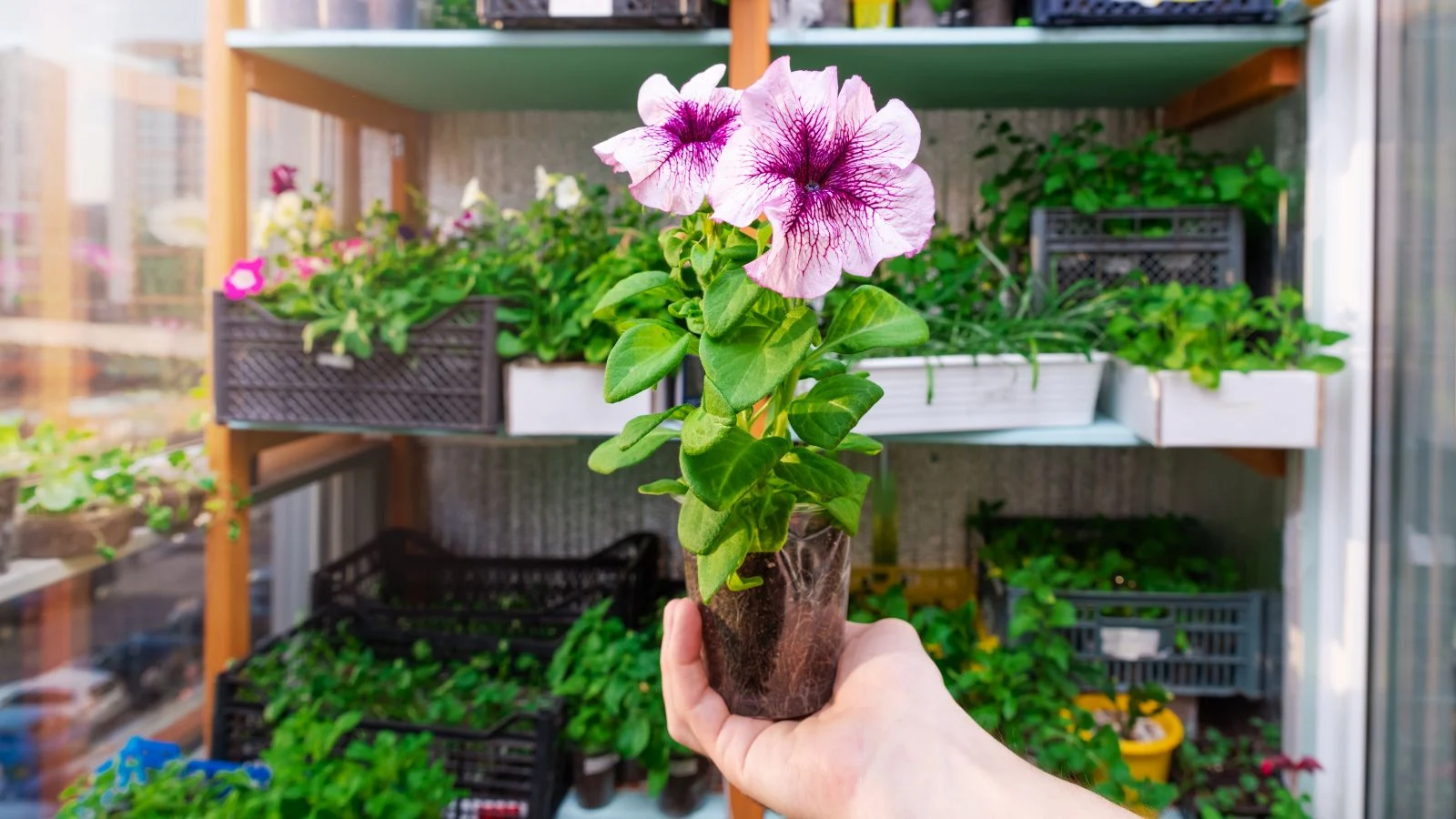
Irrigate deeply and infrequently rather than shallowly and often. Deep watering encourages the root system to grow downward, improving drought resilience and reducing irrigation frequency by mid-season.
- In midsummer, if plants become stretched or less dense despite proper fertilization, cut stems back by one-third to encourage fresh branching and a new flush of blooms. Wave Petunias recover from hard cuts within 10 to 14 days under good growing conditions.
- Apply a preventative fungicide drench or foliar spray for Pythium (root rot caused by water mold pathogens) only if growing in poorly drained containers or during extended wet periods. Under normal conditions, Wave Petunias do not require routine fungicide applications.
- At season end in annual use zones, remove spent plants promptly to prevent them from becoming hosts for whitefly or aphid overwintering populations that would affect next season’s crops.
Pest and Disease Resistance Compared to Other Annuals
Wave Petunias have demonstrated moderate resistance to the most common petunia pests and diseases under normal production and landscape conditions. Tobacco budworm (Heliothis virescens), which causes small round holes in petunia petals and flower buds, is the primary insect pest affecting Wave Petunias in warm southern growing regions.
A targeted application of Bacillus thuringiensis var. kurstaki (Bt, a naturally occurring soil bacterium that produces proteins toxic to caterpillar larvae) at first sign of feeding damage controls budworm without broad-spectrum insecticide exposure that would harm beneficial pollinator insects visiting the flowers.
- Powdery mildew, a fungal disease that appears as white powdery coating on leaves, is rarely a problem for Wave Petunias planted in full sun with good air circulation. It becomes a risk only in dense, shaded, or overcrowded plantings with limited airflow.
- Aphid infestations on Wave Petunias are typically controlled naturally by predatory insects like ladybugs and lacewings if broad-spectrum insecticides are not applied. Maintaining a pesticide-light management approach preserves this natural biological control.
- Root rot from Pythium and Phytophthora species is the most economically damaging disease risk in commercial production and occurs almost exclusively from overwatering, compacted growing media, or poor container drainage.
Conclusion
Wave Petunias deliver on five core counts that matter to anyone who grows plants for beauty, income, or both: self-cleaning blooms that eliminate deadheading labor, heat and drought tolerance that extends the season, versatility across every planting context, a color range broad enough to support any design vision, and a low-maintenance profile that rewards consistent inputs with exceptional visual returns. These are not marketing claims. They are measurable, documented, reproducible plant performance characteristics backed by horticultural research and decades of commercial production data.
Frequently Asked Questions (FAQs)
Do Wave Petunias come back every year?
Wave Petunias are tender perennials treated as annuals in most growing zones. In USDA zones 10 and 11, they can survive mild winters and regrow the following season. In zones 9 and below, they are killed by frost and must be replanted each spring.
How far apart should I plant Wave Petunias?
Plant Wave Petunias 24 to 36 inches apart in landscape beds to allow for their full spreading habit. In containers and hanging baskets, one plant per 10-inch pot or two to three plants in a 14-inch basket produces the best density by midsummer.
Why are my Wave Petunias not spreading?
Lack of spreading is almost always a fertilization issue. Wave Petunias need consistent weekly feeding with a high-quality water-soluble fertilizer at 200 ppm nitrogen. Insufficient light (less than 6 hours of direct sun per day) is the second most common cause. Check both before assuming a plant health problem.
Can Wave Petunias grow in partial shade?
Wave Petunias perform best in full sun (6 or more hours of direct sunlight daily). They tolerate light shade (4 to 5 hours of direct sun) but produce fewer flowers, less vigorous spreading, and more open, leggy stems. Deep shade produces minimal flowering and weak plants.
How often should I water Wave Petunias in containers?
In containers during summer heat, check soil moisture daily. Water when the top inch of growing media feels dry to the touch. In hanging baskets, which dry out faster than ground containers, this may mean watering every day in temperatures above 85 degrees Fahrenheit. Always water thoroughly until water drains from the bottom of the container rather than applying small amounts frequently.
Are Wave Petunias toxic to pets?
Wave Petunias are not listed as toxic to dogs, cats, or horses by the ASPCA. They are considered non-toxic ornamental plants. However, ingestion of large quantities of any plant material can cause mild gastrointestinal upset in pets, so it is best to discourage animals from eating them.
References:
1. Blanchard, M. G., Runkle, E. S., & Fisher, P. R. (2011). Modeling plant morphology and development of petunia in response to temperature and photosynthetic daily light integral. Scientia Horticulturae, 129(2), 313-320.
2. Kim, J., van Iersel, M. W., & Burnett, S. E. (2011). Estimating daily water use of two petunia cultivars based on plant and environmental factors. HortScience, 46(9), 1287-1293.
3. Park, Y. G., & Jeong, B. R. (2023). Shift in the light quality of night interruption affects flowering and morphogenesis of Petunia hybrida. Plants, 12(10), 2049.
4. Andersson, N. E. (2011). The influence of water stress and air velocity on growth of Impatiens walleriana and Petunia× hybrid. Scientia horticulturae, 128(2), 146-151.
5. Gautam, P., Terfa, M. T., Olsen, J. E., & Torre, S. (2015). Red and blue light effects on morphology and flowering of Petunia× hybrida. Scientia Horticulturae, 184, 171-178.
6. Park, Y. G., Muneer, S., Soundararajan, P., Manivnnan, A., & Jeong, B. R. (2016). Light quality during night interruption affects morphogenesis and flowering in Petunia hybrida, a qualitative long-day plant. Horticulture, Environment, and Biotechnology, 57(4), 371-377.
7. Oh, W., & Runkle, E. S. (2016). Flowering and morphological responses of petunia and pansy as influenced by lamp type and lighting period to provide long days. Horticultural Science and Technology, 34(2), 207-219.
8. Warner, R. M. (2020). Differential temperature sensitivity of flowering time and crop quality parameters of 20 seed-propagated petunia cultivars. HortScience, 55(3), 362-367.
9. Jiang, S. B., Shen, H. F., Zhang, J. X., Pu, X. M., Sun, D. Y., Tang, Z. Q., … & Yang, Q. Y. (2023). Petunia hybrida Is a New Host of Pectobacterium brasiliense Associated with Soft Rot Disease in China. Plant Disease, 107(7), 2211.
10. Mendes, M. L., Dickson, D. W., Schoellhorn, R., Cetintas, R., & Brito, J. A. (2007). Host status of petunia cultivars to root-knot nematodes. Nematologia Mediterranea.