The Best Way To Get Rid Of June Bugs And Prevent Lawn Damage


There are lots of things to look forward to about summer, but the arrival of warm weather pests isn’t one of them. June bugs get their name from the month you’ll typically begin seeing them in your yard (they’re also sometimes referred to as May bugs).
An Overview of Natural & Organic Products
| Product | Title | Features | Explore |
|---|---|---|---|
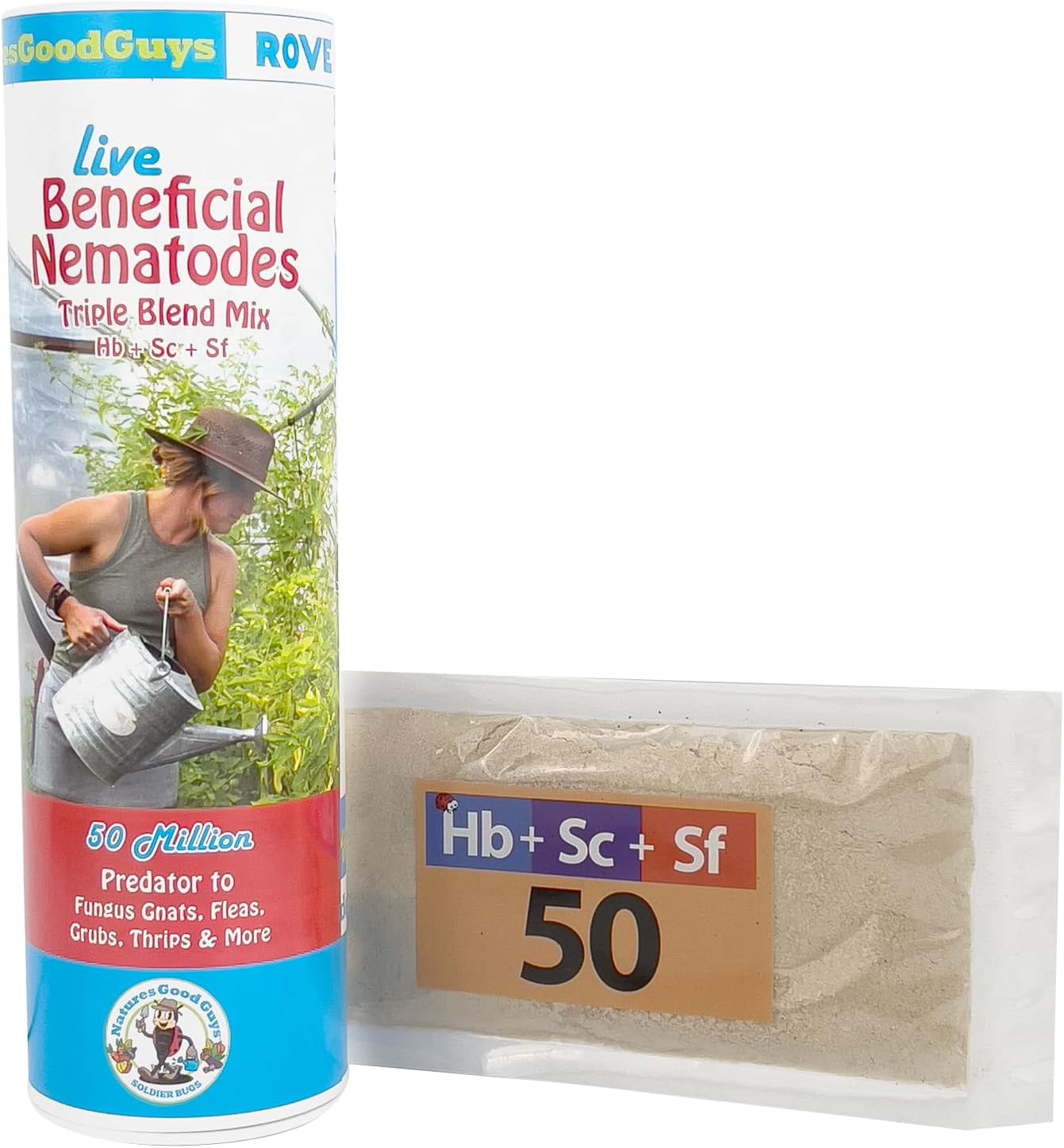 | Natures Good Guys Triple Blend Beneficial Nematodes |
| Check Price |
 | St. Gabriel Organics Milky Spore Granular Repellent |
| Check Price |
 | Neem Bliss (32 Fl Oz) – Pure Neem Oil |
| Check Price |
 | Hunters Specialties Natural Predator Bomb |
| Check Price |
 | Ortho Home Defense Insect Killer |
| Check Price |
 | Cutter Backyard Bug Control Spray Concentrate |
| Check Price |
 | STEM Insects Traps Flying Bugs |
| Check Price |

What Are June Bugs?
June bugs are medium-to-large flying beetles that usually appear in late spring and early summer, especially around lights at night. Most insects people call “June bugs” belong to the scarab beetle family.
In North America, they are often species from the genera Phyllophaga (commonly called May or June beetles). Most adult June beetles feed on tree foliage or fruit, but “their damage [to turf] is insignificant”. In other words, the flying beetles are mostly a nuisance in lawns.
Physical Appearance of June Bugs
Adult June bugs are shiny, stout beetles about ¾–1 inch long. They have spiny legs for digging and often fly in early summer. Most adult June beetles feed on tree foliage or fruit, but “their damage [to turf] is insignificant”. In other words, the flying beetles are mostly a nuisance in lawns.
The eggs hatch in a week or two, and the grubs spend the rest of summer feeding on grass roots . By late summer or early fall, many lawns show large brown patches of dead turf that easily peel away from the soil. This happens because the grub feeding severs the grass roots.
Severely infested turf can even be rolled up like a carpet, leaving dozens of C-shaped, cream-colored grubs exposed below. Skunks, raccoons, birds and other animals will often dig up these areas in search of grubs, making the damage even more obvious.
June Bugs Most Active Period
June bugs are most active in May through July, with peak activity usually in June, and they got their common name. In warmer southern regions, they may start appearing as early as April, while in cooler northern areas, they may not emerge until late May or early June.
Most June bugs belong to the genus Phyllophaga. Adult beetles emerge from the soil in late spring after completing their development underground. Once they come out, they are mainly active at night and are strongly attracted to porch lights, streetlights, and other outdoor lighting.
Their activity typically lasts for about 4 to 6 weeks. During this time, adults feed on leaves, mate, and lay eggs in the soil. After laying eggs, the adult beetles die, and the next generation continues developing underground as grubs until they are ready to emerge in a future season.
Things to Attracts June Bugs
June bugs are attracted to several common things in and around your home, especially during late spring and early summer. Most species, including those in the genus Phyllophaga, are naturally drawn to light, food sources, and suitable places to lay eggs.
a. Light
The biggest attraction for adult June bugs is light. They are strongly drawn to porch lights, streetlights, garage lights, and even indoor lights that shine through windows. They are also attracted to plants and trees. Adult June bugs feed on leaves from trees, shrubs, flowers, and garden crops. Healthy, leafy plants can draw them into yards and gardens, especially if there are many food options available.
b. Moist Soil & Healthy Lawns
Another major attraction is moist soil and healthy lawns. Female June bugs look for soft, well-watered soil to lay their eggs. Lawns that are regularly irrigated and rich in grass roots provide the perfect environment for their larvae (white grubs) to survive and grow underground.
c. Warm weather
Warm weather also plays an important role. June bugs become active when temperatures rise in late spring and early summer. Calm, warm evenings make it easier for them to fly and search for food and mates.
The Life Cycle of a June Bug
June beetles can have different life cycles. For example, annual white grubs (like masked chafer beetles) complete the egg‐to‐adult cycle in one year, whereas true May/June beetle grubs may take two or three years to mature. In either case, the key point is that the vulnerable stage that harms your lawn is the underground grub, not the flying adult.
The life cycle of June bugs begins when females lay eggs in the soil during summer. The eggs hatch into grubs, which may live underground for one to three years, feeding on plant roots. After completing their growth, the grubs pupate in the soil and eventually emerge as adult beetles in late spring or early summer.
Symptoms of June Bugs Infestations in Lawn
June bug infestations can cause noticeable changes in both gardens and lawns. While adult beetles are easy to see during the evening, the real damage often occurs underground where the larvae feed on grass roots. Recognizing the early warning signs can help homeowners take action before the lawn becomes severely damaged. Identifying these symptoms early also makes treatment more effective and prevents larger areas of turf from dying.
Adult June Bug Activity Symptoms
When adult June bugs are present, the most common sign is large brown beetles flying around outdoor lights at night. We notice them bumping into windows, doors, and porch lights. In gardens and landscapes, adults can chew on leaves of trees, shrubs, and plants. In most cases, this leaf damage is minor unless there is a very large population. Common signs of adult June bug activity include:
- Large brown beetles flying around porch lights and outdoor lamps at night
- Beetles frequently hitting windows, doors, or light fixtures
- Small holes or chewing marks on leaves of trees, shrubs, and garden plants
- Increased beetle activity in warm evenings during late spring and early summer
Grub Damage in Lawn Symptoms
The more serious symptoms usually come from white grubs living in the soil. Grubs feed on grass roots, which weakens the lawn. One of the first signs is irregular brown or yellow patches in the grass that do not improve with watering. The turf may feel soft and spongy under your feet because the roots have been eaten away. Common symptoms of grub damage in lawns include:
- Irregular brown or yellow patches of grass appearing in the lawn
- Grass that feels soft or spongy when walking on it
- Turf that can be pulled up easily because roots are damaged
- Grass that does not recover even after watering
Grub May Be Present in Soil Signs
Another clear symptom of grub damage is that the grass can be pulled up easily, almost like lifting a loose carpet. Since the roots are damaged, the grass is no longer firmly attached to the soil. You may also notice increased activity from animals such as birds, raccoons, or skunks digging in the lawn. These animals are attracted to the grubs as a food source and can cause additional lawn damage while searching for them. Other signs that grubs may be present in the soil include:
- Birds pecking or digging into the lawn
- Raccoons, skunks, or moles tearing up patches of grass
- Small holes or disturbed soil where animals search for grubs
- Increased wildlife activity in the yard, especially at night
Different Ways to Get Rid of June Bugs
June bugs can become a serious nuisance in gardens and lawns, especially during late spring and early summer when adult beetles become active. Many homeowners look for simple and practical ways to reduce their population before they lay eggs in the soil. Using natural and organic mathods methods and traps are of the easiest and most affordable methods to reduce adult June bug activity around your home.
1. Natural & Organic Methods
Studies in biological pest control show that combining natural methods with targeted treatments can reduce grub populations by 60–90% within one season, depending on timing and soil conditions.
a. Beneficial nematodes: These microscopic worms (often sold as Steinernema or Heterorhabditis species) can be very effective on grubs. You spray a nematode solution onto moist soil; the nematodes actively seek out grubs and enter their bodies, releasing bacteria that kill the insect from within.
Nematodes are safe for people, pets and plants. For best results, apply them in late summer when grubs are small and close to the surface, and keep the soil damp for a few days to help them survive. (Garden centers often sell nematodes under names like NemAttack or NemaSeek.)
Natures Good Guys – Triple Blend Beneficial Nematodes
Contains 50 million live Hb, Sf, and Sc beneficial nematodes targeting grubs, fungus gnats, fleas, and other soil pests. Safe for indoor and outdoor use, easy water application, refrigerated storage up to 30 days, works above 53°F soil temperatures. In my experience, it completely eliminated fungus gnats within four weeks and significantly reduced outdoor soil pest damage.
expert start
What Is It and Its Features
Natures Good Guys – Triple Blend Beneficial Nematodes HB+SC+SF (50 Million) is a natural pest control product designed to fight soil-dwelling insects without using chemicals. This triple blend includes three types of beneficial nematodes: Hb (Heterorhabditis bacteriophora), Sf (Steinernema feltiae), and Sc (Steinernema carpocapsae). Together, they target a wide range of pests like fungus gnats, grubs, fleas, ticks, thrips, and more. Natures Good Guys – Triple Blend Beneficial Nematodes HB+SC+SF (50 Million) contains 50 million live, microscopic organisms that live in the soil and actively hunt harmful insects. These nematodes enter pest larvae and release bacteria that kill the host within a short time. This makes them part of an Integrated Pest Management (IPM) approach, meaning they control pests naturally without harming plants.
Why It Matters
This matters because soil pests can destroy plant roots without you even noticing. Fungus gnats, for example, reproduce very quickly and spread from one pot to another. Chemical sprays may kill adult insects, but they often do not stop the larvae in the soil. These nematodes solve the problem at the root level. Key features include:
- Can be used indoors and outdoors
- Safe around pets and plants
- Targets many pests including fungus gnats, fleas, grubs, ants, cucumber beetles, codling moths, ticks, and more
- Can be stored in the refrigerator (36–45°F) for up to 30 days before activation
- Easy application with watering can or sprayer
- Works in soil temperatures above 53°F
My Set-Up and My Experience
I used this product during a serious fungus gnat problem in my indoor plant collection. I have over 20 houseplants, and one pot became the source of the infestation. The gnats quickly spread to other plants. I had already tried neem oil, hydrogen peroxide solution, sticky traps, and even mosquito bits. Nothing gave lasting results. When my order arrived, it was well packed and insulated. I immediately placed the sealed packets in the refrigerator as recommended. Before applying, I made sure the soil was moist and the temperature was suitable. I mixed the nematodes with water according to instructions and applied them using a watering can. I treated all my indoor plants, not just the infected one, to prevent further spread. I also tested them in a small outdoor raised bed where I had issues with beetles and grubs. My plants looked healthier, and there were no tiny flies around my lights or windows.
Performance
The performance of Natures Good Guys – Triple Blend Beneficial Nematodes HB+SC+SF (50 Million) was better than I expected. The reduction in gnats was gradual but steady, around 25–30% fewer each week. This makes sense because nematodes target larvae in the soil, not flying adults. As the life cycle breaks, the infestation ends. In my outdoor beds, I noticed reduced damage from soil pests like cucumber beetles and grubs. While it did not remove every single pest instantly, the population was clearly lower, and my plants had less root damage. Another positive point is that the nematodes arrive alive and active. They do not have a bad smell when fresh. The instructions mention that a fishy or rotten smell means they are no longer viable, which is helpful to know. I also appreciate that this is a chemical-free option. There is no risk of burning leaves or harming beneficial insects above ground. It feels good to use a biological solution instead of harsh pesticides.
Practical Tips
- Always apply to moist soil for best results.
- Use early morning or evening to avoid direct sunlight.
- Keep soil moist for at least two weeks after application.
- Store in the refrigerator and never freeze.
- Treat all nearby pots, not just the infected one.
- Reapply weekly to monthly for active infestations.
expert end
pro start
| Pros | Cons |
|---|---|
| ✔️ Controls many soil pests naturally | ❌ Needs proper storage in refrigerator |
| ✔️ Safe for pets, children, and plants | ❌ Requires soil temperature above 53°F |
| ✔️ Works indoors and outdoors | ❌ Results are gradual, not instant |
| ✔️ Easy to mix and apply | ❌ Must maintain soil moisture |
| ✔️ Clear instructions and good packaging | ❌ Slightly more expensive than some alternatives |
pro end
b. Milky spore Disease Repellent : This is a naturally occurring bacterium (Paenibacillus popilliae) packaged for use against grubs (especially Japanese beetle). When applied to the lawn, milky spore spores remain in the soil. Grubs that feed on the turf ingest the spores and become infected, eventually dying and releasing more spores into the soil.
Milky spore can be very long-lasting once established. Extension sources advise applying it in early fall (around Sept–Oct) to allow it to build up in the turf. It is slow-acting – it may take a season or two to see full effects – but once in place it can protect lawns for many years.
St. Gabriel Organics Milky Spore Granular Repellent
St, Gabriel Organics Milky Spore uses Bacillus popilliae bacteria to naturally target and eliminate Japanese beetle grubs in soil effectively. Provides long-lasting organic protection up to 15 years, safe for pets, pollinators, gardens, and beneficial soil organisms. After consistent applications, I noticed fewer beetles, almost no mole activity, and healthier roses and crepe myrtles.
expert start
What Is It and Its Product Features
St. Gabriel Organics Milky Spore is a granular lawn treatment designed to control Japanese beetle grubs at the source. The active ingredient, Bacillus popilliae, infects the grubs when they feed on treated soil. Once infected, the grubs die and release more spores back into the soil, which helps create a natural, self-sustaining defense system. Here are some important features:
- Up to 15–20 years of protection once fully established in the soil.
- USDA Organic and OMRI Listed, which is important for gardeners who avoid chemicals.
- Pet and family friendly with no waiting time after application.
- Will not harm bees, butterflies, earthworms, or wildlife.
- Easy granular application using a broadcast spreader or by hand.
- Works in spring, summer, or fall during grub activity.
Why It Matters
This matters because Japanese beetle grubs live underground and damage grass roots before the adult beetles even appear. If you only treat adult beetles, you are not solving the root problem. Milky Spore works below the surface where the damage begins. For me, the biggest benefit is that it builds protection over time. Instead of applying harsh chemicals every season, this product creates a natural cycle in the soil.
My Set-Up and My Experience
I started applying Milky Spore in mid-2023 when my lawn had heavy beetle activity and visible mole tracks. I used a standard broadcast spreader and followed the instructions carefully. The granules spread evenly and had no strong smell. The bag covered my lawn easily, and since my yard is medium-sized, I was able to get multiple applications from one 15-pound bag. The instructions recommend applying it in spring, summer, and fall for two consecutive years (six total applications). I applied it twice in the first year, three times the next year, and continued the schedule as recommended. After spreading, I watered the lawn lightly within 24 hours to activate the spores. The most surprising part was what happened after one fall application. Within days of watering, I started seeing grubs coming up to the surface. It was clear the product was working underground.
Performance
In terms of performance, Milky Spore exceeded my expectations. The first year, I still saw some beetles, but the numbers were reduced. By the second year, the difference was dramatic. I only saw a handful of beetles instead of dozens. My roses and crepe myrtles were mostly untouched. Another big improvement was the mole activity. Since moles feed on grubs, reducing the grub population made my lawn less attractive to them. The following season, I noticed almost no new mole tunnels. One important thing to understand is that this product specifically targets Japanese beetle grubs. If you have a different grub species, results may vary. It is not an instant chemical killer for all soil pests. It is a biological solution that builds effectiveness over time. I also appreciate that it works year-round once established, regardless of weather conditions. That makes it a long-term investment rather than a temporary fix.
Practical Tips
- Apply in spring, summer, and fall for two full years.
- Water lightly within 24 hours after spreading.
- Use a broadcast spreader for even coverage.
- Make sure the ground is not frozen during application.
- Confirm that you are dealing with Japanese beetle grubs.
- Be patient; full results improve over time.
expert end
pro start
| Pros | Cons |
|---|---|
| ✔️ Long-lasting protection for many years | ❌ Works only on Japanese beetle grubs |
| ✔️ Organic and safe for pets and children | ❌ Requires multiple applications first two years |
| ✔️ Targets only Japanese beetle grubs | ❌ Higher upfront cost |
| ✔️ Easy to apply with spreader | ❌ Results are not always instant |
| ✔️ No damage to grass or plants | ❌ Neighbors’ untreated lawns can affect results |
pro end
c. Neem oil: Extracted from the neem tree, neem oil acts as a broad-spectrum botanical insecticide and repellent. Studies show that neem oil disrupts insect feeding, growth and egg-laying. For grubs, you mix neem oil with water and spray it on the soil and thatch.
This won’t kill large grubs immediately, but it deters them from feeding and can help reduce new egg-laying by adult beetles. Neem oil is non-toxic to people, pets and beneficial insects when used according to the label, but always follow the instructions.
Neem Bliss (32 Fl Oz) – Pure Oil Concentrate
100% pure, cold pressed, unrefined neem oil concentrate with no additives, rich in nutrients and bioactive compounds. Highly concentrated formula solidifies in cool temperatures, mixes best with hot water, safe for homes and pets diluted. Completely eliminated spider mites, aphids, and flies in my garden, improved plant shine, boosted growth, and prevented recurring infestations.
expert start
What Is It and Its Features
Neem Bliss Neem Oil Concentrate is a pure extract taken from neem tree seeds. It is cold pressed, which means the oil is extracted without heat to preserve its nutrients and active compounds. This process keeps the oil strong and effective. Some important features include:
- 100% pure and unrefined neem oil
- Cold pressed to preserve nutrients
- No additives or synthetic ingredients
- Rich in fatty acids, antioxidants, and vitamins
- Safe for homes and pets when diluted properly
- Can be used for plants, skin, hair, and nails
Why It Matters
Because many neem oil products on the market are diluted or mixed with other ingredients. When a product is pure and concentrated, it works better and lasts longer. Since it is cold pressed, it keeps more of its natural insect-fighting and nourishing properties. Neem oil has been used for thousands of years as a natural remedy. In gardening, it works as a natural insect repellent and pest control solution. It not only kills pests but also prevents new ones from coming back. At the same time, it does not harm beneficial insects like bees when used correctly.
My Set-Up and My Experience
When I first used Neem Bliss, I was dealing with spider mites and aphids on my roses and indoor plants. I also had small flies around my houseplants. I mixed about 2 tablespoons of neem oil with one gallon of hot water and added a small amount of Castile soap to help it mix properly. One thing to know: this oil is thick. It can harden or solidify in cooler temperatures. When that happened, I simply placed the bottle in a bucket of hot water for a few minutes. It melted quickly and poured easily. For my roses, I tried both spraying and soil soaking. Spraying worked well for surface pests like spider mites. But the real magic happened when I did a soil soak. I poured about 2 cups of the diluted mixture around the base of each rose bush. After about three treatments spaced 10 days apart, the aphids and rose slugs completely disappeared. I also used it on my fig tree that was being attacked by spotted lantern flies. After weekly spraying, the pests stayed away.
Performance
First, it completely eliminated spider mites on my plants. That alone made me happy because spider mites are very hard to control. Within a few weeks, there were no signs of them. Second, it worked amazingly well against aphids and rose slugs. My 50 Knockout rose bushes were heavily infested before. After consistent soil soaks, the pests disappeared. Not only that, but the roses started producing more buds and healthier leaves. Third, it helped control tiny flies around my indoor plants. Regular weekly spraying kept them away. One surprising benefit was that my plants looked stronger and more vibrant. Neem oil contains natural nutrients and fatty acids, and I believe it also improved the overall health of my plants. The only downside is the smell. It has a strong, slightly garlic-like or nutty smell that can last for a couple of days. Overall, the performance has been consistent and reliable.
Practical Tips
- Always dilute before use.
- Use hot water to help it mix properly.
- Add a small amount of Castile or mild soap to emulsify.
- Warm the bottle in hot water if oil hardens.
- Spray in the evening to avoid leaf burn.
- Avoid spraying just before rain.
- Do soil soak for heavy infestations.
expert end
pro start
| Pros | Cons |
|---|---|
| ✔️ 100% pure and cold pressed | ❌ Strong natural smell |
| ✔️ Very effective against many pests | ❌ Solidifies in cool weather |
| ✔️ Long lasting and concentrated | ❌ Must use hot water to mix properly |
| ✔️ Safe for pets when diluted | ❌ Can leave slight oily residue |
| ✔️ Improves plant health and shine | ❌ Requires regular application |
pro end
d. Encourage natural predators: Many birds (like starlings and robins) and small mammals (skunks, raccoons, moles) will dig up and eat grubs. Keeping a balanced ecosystem can help; for instance, a flock of chickens or guinea hens in a yard will happily scratch up and devour grubs.
While this alone may not eliminate a heavy infestation, it can supplement other controls. (Be cautious: skunks and raccoons will also damage your lawn digging for grubs, so prevention is preferable.)
Hunters Specialties Natural Predator Bomb
Hunters Specialties Predator Bomb Coyote Urine offers a convenient aerosol spray with a 180-degree valve and long-lasting, realistic scent. Atomized coyote urine adheres to surfaces, effectively masking human odor and creating a potent scent barrier for hunting or deterrent purposes. Spraying around my garden successfully kept rabbits and squirrels away, significantly reducing plant damage within just a few days.
expert start
What Is It and Its Features
The Hunters Specialties Predator Bomb Coyote Urine is essentially a synthetic predator scent designed to replicate pure, fresh coyote urine. It comes in a pressurized aerosol can with a special 180-degree ball valve system. This valve allows you to spray in different angles, even upside down. You can release short bursts around a decoy or caller, or empty the can quickly to create a large scent cloud. According to the product description, the scent can travel more than a quarter mile in a light breeze. One important feature is that the scent is atomized. This means it sprays in a fine mist that sticks to vegetation, soil, and surrounding surfaces. This creates a longer-lasting scent barrier.
Why It Matters
For hunters, this helps mask human odor and reduces the chance of predators detecting them from downwind areas. For someone like me, using it in a garden setting, this strong scent barrier can act as a deterrent for smaller animals. In both hunting and gardening, scent plays a big role. Animals rely heavily on their sense of smell. If you can control scent, you can control animal behavior to some extent. That is exactly what this product aims to do.
My Set-Up and My Experience
In my case, I was dealing with rabbits and squirrels damaging my vegetable garden. They were digging up soil, chewing leaves, and ruining young plants. Before using this product, I tried physical barriers and other natural repellents with limited success. I sprayed the Hunters Specialties Natural Predator Bomb Coyote Urine Aerosol Spray around the perimeter of my garden beds. I applied short bursts every few feet, focusing on entry points where animals usually came in. The application process was extremely simple. Just shake the can and press the nozzle. The spray comes out quickly, so you need to control how much you use. The scent seems to create a strong “predator presence” signal that small animals want to avoid. The smell does fade over time, but right after application, it is quite intense.
Performance
In terms of performance, I found this product very effective as a scent barrier. The atomized spray sticks well to grass, soil, and wooden garden borders. Even after light wind, the effect seemed to remain for several days. After heavy rain, I had to reapply it. The 180-degree valve system works smoothly. I tested spraying at different angles, and it worked even when tilted. This is useful in tight spots or when spraying low to the ground. The can size is compact but powerful. Because the scent spreads easily, you do not need to use too much at once. For garden use, it acts more like a strong animal deterrent. In my experience, it helped protect my vegetables from rabbits and squirrels that were causing serious damage before.
Practical Tips
- Spray around the perimeter, not directly on edible plants.
- Apply in short bursts to avoid wasting product.
- Always spray while standing upwind.
- Reapply after heavy rain for best results.
- Store the can in a cool, dry place.
- Use gloves if you do not want scent on your hands.
- Start with small amounts and adjust as needed.
expert end
pro start
| Pros | Cons |
|---|---|
| ✔️ Very easy aerosol application. | ❌ Very strong and unpleasant smell. |
| ✔️ Strong and realistic predator scent. | ❌ Needs reapplication after heavy rain. |
| ✔️ Effective at masking human odor. | ❌ Not suitable for indoor use. |
| ✔️ Works as animal deterrent in garden. | ❌ Can be overpowering if over-sprayed. |
| ✔️ 180-degree spray valve is convenient. | ❌ Limited use outside hunting or deterrent purposes. |
pro end
Chemical Control Options
If infestation levels are high, chemical grub killers are available. These fall into two categories:
a. Preventive insecticides: These products (such as imidacloprid (Merit®) or halofenozide (Mach 2®), and newer actives like chlorantraniliprole (Acelepryn®)) are applied in late spring or early summer before grubs hatch. They have a long-lasting residue in the soil. The idea is to treat lawns that are known to have had grubs, or that experience heavy adult beetle flights, so that any newly hatching grubs will ingest the insecticide.
Preventive treatments should be applied when adult beetles are emerging (often May–June) or about 4–6 weeks after beetle flights peak. These products are very effective if timed correctly, but they will not kill grubs already present under the lawn.
Ortho Home Defense Insect Killer
Ortho Home Defense Insect Killer creates a long-lasting barrier up to 12 months, controlling ants, roaches, spiders effectively. The Comfort Wand, Invisi-Shield Technology, and odorless formula make indoor and perimeter application simple, clean, and convenient for homeowners. Using it in my older house eliminated all bugs, including spiders and roaches, providing peace of mind and lasting protection.
expert start
What Is It and Its Features
Ortho Home Defense Insect Killer for Indoor and Perimeter2 is a powerful insecticide designed to control a wide variety of common household pests, including ants, cockroaches, spiders, fleas, ticks, scorpions, earwigs, silverfish, and even periodical cicadas. It comes in a 1.33-gallon spray bottle with a battery-powered Comfort Wand, which makes application simple and continuous without tiring your hands. The active ingredient, bifenthrin (0.05%), creates a protective barrier that can last up to 12 months on indoor non-porous surfaces.
Why It Matters
One of the things I like most about this product is its Invisi-Shield Technology, which leaves no fumes, dries clear, and fast. This means I don’t have to worry about strong chemical smells or sticky residues on my floors and counters. Its versatility also matters because it can be used both indoors and outdoors—around baseboards, doors, windows, patios, decks, and the exterior foundation of the house. This makes it a complete solution for anyone looking to prevent insects from entering their home and to eliminate the occasional intruder.
My Set-Up and My Experience
I started using Ortho Home Defense Insect Killer, everything changed. I sprayed along all the baseboards, upper corners, door frames, and outside around the windows and home perimeter. The Comfort Wand made the job extremely easy—no bending, no pumping, no hand fatigue. After the first application, I noticed a significant difference. Dead insects started appearing almost immediately, and after that, I hardly saw any live bugs. This product truly works on all types of insects. I have even seen it take care of small roaches, spiders, and worm-like bugs that I had never been able to control before. It is also completely odorless and leaves no residue behind, which is very important in a household with pets and children.
Performance
In terms of performance, Ortho Home Defense Insect Killer exceeded my expectations. It created an invisible barrier that effectively prevents insects from entering my home. Unlike other sprays that work temporarily, this product provides long-lasting protection, keeping ants, spiders, and roaches away for months. It is important to note, however, that this product is designed for prevention and individual intruder control, not for full infestations or ant hills. If you have a large-scale infestation, it’s better to consult an exterminator. That said, for everyday insect control and preventing bugs from entering the home, this product works perfectly.
Practical Tips
- Remove items and debris from the perimeter of your home before spraying.
- Spray a 12-inch wide band around the exterior of your house.
- Spray a 4-inch wide band along indoor baseboards and door frames.
- Allow the sprayed areas to dry completely before letting pets or children back in.
- Reapply every 2–3 months or as needed, especially after heavy rain outside.
expert end
pro start
| Pros | Cons |
|---|---|
| ✔️ Works on all common household insects. | ❌ Not designed for full infestations. |
| ✔️ Provides up to 12 months of protection. | ❌ Should not be applied directly on ant hills. |
| ✔️ Odorless and leaves no residue. | ❌ Requires drying time before pets return. |
| ✔️ Easy to use with Comfort Wand. | ❌ Needs reapplication after heavy cleaning or rain. |
| ✔️ Large bottle lasts a long time. | ❌ Wand may need replacement if missing or damaged. |
pro end
b. Curative insecticides: These are fast-acting products used when you already see grub damage. Common curatives include carbaryl (Sevin®) and trichlorfon (Dylox®). They have a short soil life and work best on small grubs.
These should be applied in late summer (July–August) after the eggs have hatched and grubs are actively feeding near the surface. This is when you can count 10–12 grubs per square foot in problem spots. (Spring applications of curatives are generally not effective, because grubs are deeper or pupating and the products dissipate too quickly.)
Cutter Backyard Bug Control Spray Concentrate
Kills mosquitoes, fleas, ants, and other listed insects quickly using Lambda Cyhalothrin for effective, fast-acting outdoor pest control. Easy-to-use QuickFlip hose-end sprayer covers up to 5,000 square feet, providing long-lasting insect control without any mixing required. In my experience, it significantly reduced backyard bugs, allowed safe pet play, and made outdoor spaces enjoyable almost immediately.
expert start
What Is It and Its Features
Cutter Backyard Bug Control Spray Concentrate is a liquid insecticide formulated with Lambda Cyhalothrin, designed to keep common outdoor pests under control. It comes in a 32-ounce bottle, and one bottle can treat up to 5,000 square feet of lawn. The QuickFlip hose-end sprayer allows you to attach it directly to your garden hose and start spraying immediately — no measuring, no mixing, just flip the switch and go.
Why It Matters
This product matters because outdoor insects not only cause irritation but can also carry diseases. Fleas, mosquitoes, ants, and other pests make it hard to enjoy a backyard barbecue, playtime with pets, or even simple gardening. By using this spray, you create a safer, more comfortable outdoor environment for yourself and your family. The product claims to last all summer, which means fewer applications and more worry-free time outdoors.
My Set-Up and My Experience
I applied Cutter Backyard Bug Control Spray Concentrate across my backyard using the hose-end sprayer, following the instructions carefully. I made sure my lawn was freshly mowed and dry, which seemed to improve the spray’s effectiveness. Applying it was very simple — the sprayer activated instantly, and the product spread evenly across the grass, flower beds, and patio edges. In my experience, it started killing mosquitoes and ants almost immediately. I also noticed fewer fleas in areas where my dog spends most of its time. The formula dries quickly without leaving a strong chemical smell, and once it dried, my dog could safely play in the yard without any risk. One thing I loved was how easy it was to continue using leftover concentrate by adding it to a small hand sprayer for targeted areas.
Performance
Within a few hours, mosquitoes and ants became noticeably fewer. The protection lasted about five weeks, which was slightly shorter than the advertised 12 weeks, but still impressive considering the frequent rain in my area. It worked well even after light rain, and the sprayer nozzle made it easy to reach under bushes and in corners where bugs usually hide. I also noticed that it didn’t stain my lawn or plants and didn’t leave a sticky residue. The product made my backyard much more enjoyable, and I could finally relax without constantly swatting insects. Considering the low cost of two bottles, the value was excellent compared to professional pest control services.
Practical Tips
- Apply after mowing for best coverage.
- Check weather forecast to avoid spraying before heavy rain.
- Keep children and pets away until treated area is dry.
- Reapply every 4–5 weeks during rainy conditions.
- Use leftover concentrate in a hand sprayer for targeted areas.
expert end
pro start
| Pros | Cons |
|---|---|
| ✔️ Kills mosquitoes, fleas, and listed ants quickly. | ❌ Protection doesn’t last full 12 weeks in rainy areas. |
| ✔️ Easy to use with QuickFlip hose-end sprayer. | ❌ Cannot apply directly before rain or runoff. |
| ✔️ Covers large areas up to 5,000 sq. ft. | ❌ Needs careful handling around children and pets. |
| ✔️ Dries quickly, safe for pets once dry. | ❌ Only targets listed insects, not all bugs. |
| ✔️ Affordable, two-pack provides good value. | ❌ Sprayer can occasionally leak if not attached properly. |
pro end
2. Make an Adult June Bug Trap
Creating a homemade trap for adult June bugs is easy and can help lower the number of beetles flying around your yard at night. Adult June bugs, especially those from the Phyllophaga group, are highly attracted to light and sweet scents. This natural behavior makes them easier to trap. Here are two simple trap methods you can try:
STEM Insects Traps & Flying Bugs
STEM Insect Trap uses soft blue light and sticky cartridge technology to attract and capture fruit flies, gnats, moths, and mosquitoes indoors. The plug-in device offers insecticide-free pest control, 24/7 continuous operation, quiet performance, and a flexible 90-degree rotating plug for placement. In my experience, placing STEM Insect Trap near indoor plants and kitchen fruit bowls noticeably reduced fruit flies and gnats.
expert start
What Is It and Its Features
The STEM Insect Trap is an indoor light-based insect trap made to capture small flying pests without using chemical insecticides. The device is made of lightweight plastic and has a compact design, measuring about 8.38 inches long and weighing around 0.25 kilograms. Because of its small size, it easily fits into a normal wall outlet without taking much space. One of the most important features is the insecticide-free operation. Many people prefer to avoid sprays or chemical pest control products inside the house, especially in kitchens or rooms where pets and children spend time. This trap works differently. Instead of killing insects with chemicals, it attracts them with light and captures them on a sticky surface.
Why It Matters
Another useful feature is the soft blue light attraction system. Flying insects naturally move toward light sources. The trap uses this behavior to pull insects toward the device. trap. The trap also provides 24/7 continuous protection. After plugging the device into a wall outlet, it keeps working day and night. There is no need to switch it on and off or adjust settings. It makes placement easier in different rooms such as kitchens, bathrooms, garages, and living areas. These features matter because they make pest control easy, quiet, and safe for indoor use. Instead of constantly using sprays or swatting insects, the trap works automatically in the background.
My Set-Up and My Experience
The first place was near my indoor plant shelf, where fungus gnats sometimes appear. The second location was in the kitchen near a fruit bowl, where fruit flies occasionally gather. I removed the protective cover from the sticky cartridge and inserted it into the base of the device. After that, I plugged the trap into the wall outlet. During the first night, I noticed a few insects already stuck on the cartridge. By the next morning, several small fruit flies were trapped inside the device. After using the trap for about a week. There is no buzzing sound, no electric zap, and no chemical smell. It simply glows softly like a small night lamp. The trap also blends well with home decor. Because of its simple gray color and compact design, it does not look like a typical pest control product.
Performance
In terms of performance, the STEM Insect Trap works best for small flying insects like fruit flies, gnats, and small moths. The blue light slowly attracts insects, and the sticky cartridge captures them once they get close. When the lights in the room are off, the blue glow becomes more visible and attracts insects more easily. Placement also plays an important role. When the trap is placed close to insect activity areas such as trash bins, fruit bowls, or plant pots, it captures insects more effectively. The sticky cartridge system also helps keep things clean. Instead of dead insects falling around the device, they remain stuck inside the cartridge. When the cartridge becomes full, it can simply be removed and replaced with a new one.
Practical Tips
- Place the trap near indoor plants where gnats appear.
- Use it close to fruit bowls or kitchen waste bins.
- Keep the device plugged in 24 hours a day for better results.
- Use it in darker areas or during nighttime.
- Replace the sticky cartridge every 30 days or when full.
expert end
pro start
| Pros | Cons |
|---|---|
| ✔️ Chemical-free pest control solution. | ❌ Works slower than chemical sprays. |
| ✔️ Very easy plug-in installation. | ❌ Needs a power outlet nearby. |
| ✔️ Quiet and odor-free operation. | ❌ Sticky cartridges require replacement. |
| ✔️ Modern and discreet design. | ❌ Less effective for large insects. |
| ✔️ Effective for fruit flies and gnats. | ❌ Works best only in darker areas. |
pro end
a. Light and Soapy Water Trap
First, take a large plastic bucket or container. Fill it halfway with water and add a few drops of dish soap. The soap reduces the water’s surface tension. This means when beetles fall into the water, they will sink instead of staying on top and escaping.
Next, position a small light source above the container. You can hang a flashlight over it or place the bucket directly under a porch light. Since June bugs are naturally drawn to light at night, they will fly toward it and fall into the soapy water.
b. Sweet Bait Trap
Another effective option is a sweet bait trap. Mix water with a small amount of sugar or molasses and pour the mixture into a container. The sweet smell attracts adult beetles. Add a few drops of dish soap to the mixture to ensure the beetles cannot escape after landing in the liquid.
Place your trap away from doors, patios, or seating areas. This helps pull beetles away from places where you spend time. Set the trap out in the evening when June bugs are most active. Check it daily, remove the trapped insects, and refill the solution when needed.
Keep in mind that while traps can reduce the number of flying adult beetles, they do not solve the entire problem. Long-term control also requires managing the grubs living in the soil. Using traps together with proper lawn care practices will give better overall results.
c. Safety note: Always read and follow label directions carefully. Apply these products only to infested areas (don’t blanket-spray the entire lawn). It’s usually recommended to water the lawn before and after applying a granular insecticide to help carry it into the soil.
How To Prevent June Bugs From Returning
Good lawn care is the first line of defense. A healthy, vigorous turf can tolerate some root feeding and recover more quickly. Key steps include:
a. Proper watering: Water deeply but infrequently to encourage a strong root system. Do not keep the lawn excessively moist in June–July, because adult June beetles prefer to lay eggs in damp soil. (Conversely, after a grub control treatment, frequent light irrigation can help the grass recover by allowing surviving roots to take up moisture.)
b. Mow at the right height: Most experts recommend keeping grass around 2.5–3 inches tall. Taller turf has deeper roots and shades the soil, which makes it less inviting for egg-laying. Never remove more than one-third of the grass blade in a single mowing, as short-cuts can stress the lawn.
c. Fertilize properly: A well-fed lawn can outgrow minor damage. However, avoid over-fertilizing with high nitrogen, as it creates lush, thatchy turf that beetles love. Always use fertilizer at recommended rates and water it in thoroughly so it doesn’t wash away.
d. Reduce night lighting: Because June bugs are attracted to lights, reducing outdoor lighting can help. If possible, keep porch lights off or use yellow “bug” bulbs during the peak flight season. This won’t kill grubs, but it can cut down on beetle mating near the lawn.
e. Aeration and overseeding: Periodically aerate the lawn to relieve soil compaction and mix up thatch. After aerating, overseed thin areas with a grass mix adapted to your region. This helps maintain a thick turfstand that leaves fewer places for beetles to lay eggs.
f. Maintain natural predators: Encourage birds and beneficial insects in your yard. For example, having a native grass border can harbor ground beetles and other insects that prey on grubs. Similarly, wildlife like guinea fowl will eat grubs if present.
Best Time To Treat June Bugs for Better Results
Seasonal pest control data indicates that preventive treatments applied in late spring can reduce grub populations by more than 60% before peak feeding begins. Timing treatments with the beetles’ life cycle is crucial. Here are the general rules:
i. Spring/Early Summer (May–June): This is when adult June bugs emerge and lay eggs. If you apply a preventive treatment now, it will target the eggs and very young grubs as they hatch. Southern experts note that “when you see June bug activity in the spring, you can make a preventive application of grub control” because at this stage the insects are easier to kill.
ii. Late Summer/Fall (August–September): By late summer the grubs are full size but still close enough to the surface for contact. Treating in September (after the first frosts or when soils are still warm) can eliminate the grubs before they burrow deep for winter. Research shows that curative treatments in early fall can kill as many as 80% of grubs, greatly reducing the next year’s beetle population. Waiting past September can allow grubs to go deep or pupate, which makes control much harder.
Common Mistakes To Avoid
Pest management professionals report that late treatment is the most common reason for grub control failure. Treating after visible lawn damage reduces recovery potential and may require reseeding. Even the best control plan can fail if key mistakes are made. Here are some mistakes and how to avoid them:
a. Treating Too Late: Applying treatments after noticeable damage appears often means most grubs are already mature and have moved deep in the soil. At that point, preventive chemicals won’t reach them. Also, by late season there’s little time for grass to recover before winter. TruGreen highlights that “treating too late in the season” is a common error. The solution is to treat early – at the first sign of beetles or as soon as you find eggs in spring.
b.Wrong Product or Timing: Using the wrong type of insecticide or applying it at the wrong time can waste effort. For example, applying a preventive insecticide (like imidacloprid) in mid-fall will do nothing because the product targets young grubs in summer. Conversely, using curative products (like carbaryl) early in summer against tiny grubs is also unnecessary. Always match the product to the life stage: preventive chemicals in early summer, curatives in late summer/fall.
c. Ignoring Early Signs: Waiting until turf damage is severe is a mistake because the beetles will simply lay more eggs next year. By the time big brown patches appear, the grubs have already fed heavily and “the turf continues to thin or turn brown” despite good care. Regular inspection is key. Don’t ignore small brown patches or increased animal activity – those are warning signs.
d. Overwatering: Surprisingly, giving a lawn too much water (especially after damage) can worsen problems. Waterlogged soil is stressful to grass roots and can promote disease. After a grub treatment or if your lawn is recovering, avoid watering large amounts daily. TruGreen warns that “overwatering damaged turf…can weaken roots and thin out existing grass”. Instead, water infrequently but deeply as the new grass is settling in.
e. Not Watering Treatments: Failing to irrigate after applying a treatment is also a common error. Most soil insecticides (and nematodes) must be washed down into the root zone. MSU research clearly shows that “watering immediately after application helps to obtain good results” because it moves the insecticide off the grass and into the soil. So after any spray or granule, apply about a half-inch of water.
f. Using Excessive Chemicals: Dumping more pesticide than needed or treating every year regardless of need can damage your lawn and the environment. Read labels carefully. More is not better, and overuse can kill beneficial soil life. If in doubt, get a soil test or consult a lawn care pro before repeating treatments yearly.
Conclusion
June bugs and their grubs can be frustrating, but a thoughtful approach will protect your lawn. The key is prevention and early action. Keep your turf thick and healthy (proper mowing, watering and fertilizing) so it can tolerate some grub feeding. Monitor your lawn for the first small brown patches in late summer and sample for grubs if you suspect trouble. Use cultural controls (like irrigation management and mowing height) year-round to make your lawn less inviting to beetles. If you do need to treat, choose the right method at the right time: late summer applications of nematodes or pesticides will give the best kill.