
You’ve Got To Try These 5 Genius Ways To Water Plants On High Shelves
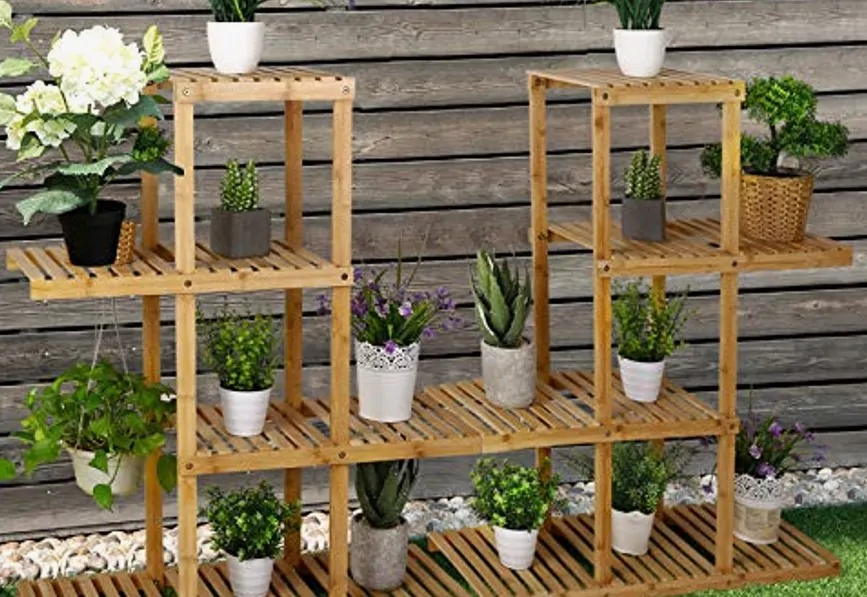
Whether it’s the top of a tall bookcase or perched on a sleek floating shelf, potted houseplants are a great way to add an eye-catching accent to any room of the house. But watering these plants can present a physical challenge, especially if the shelves are high over your head or in hard-to-reach areas.
Jessica Watts, the owner of House Plant Collective, shares her top tips for watering plants on high shelves that she uses daily in her busy Birmingham houseplant shop. And if you have hanging plants? You can steal a few of these tricks to water them, too.
1. Use a Garden Sprayer
A best garden sprayer is a handy tool for applying pesticides or fertilizer in greenhouses or outdoor gardens. However, it’s also convenient for indoor plants. “In the shop, we find a sprayer helpful for maintaining waterings for many plants rather than using a standard watering can be refilled multiple times,” explains Watts.
The sprayer features a long nozzle that extends your reach, giving you better access to higher shelves. “Make sure you get a sprayer primarily for your houseplants and not reuse one you have used for outdoor pesticides,” warns Watts, “You don’t want to accidentally kill your plant-y friends!” Garden sprayers are readily available in the garden and outdoor sections of major hardware stores or online.
2. Try Bottom Watering
For hard-to-reach shelves, even with a spray, try bottom watering. “You can also utilize the bottom-watering method by placing plastic trays under your plants and simply watering the tray rather than trying to pour water on the soil or plant itself,” Watts explains. This method allows the water to soak up the water rather than easily draining through the plant and root system. However, every once in a while, you should bring down the plant to inspect for pests and water them from the top to help remove excess salts from the soil.
3. Go Soil Free
Some plants don’t need soil to thrive. “There are also soil-free alternatives such as hydroponics, legal, or water propagating that can be beneficial for plants in hard-to-reach spots,” says Watts, “These methods require less maintenance and don’t need regular waterings!” However, you do need to change or add water occasionally, but this is an excellent method for difficult areas to reach regularly.
4. Use Glazed or Plastic Pots
The type of pot your plants live in can affect how often they need watering. “To help retain moisture for your plants, plants can be planted in plastic pots rather than terracotta, which often dries out your plant,” says Watts. Terracotta is a type of earthenware designed to dry out fast, making it perfect for plants, like succulents and cacti, that grow best in well-draining soil. But, for most plants, a glazed or plastic pot will allow you a few extra days between waterings.
5. Choose Hardy Plants
For hard-to-reach shelves, Watts also recommends choosing resilient plants that require less watering. “Plants such as snake plants, ZZ plants, and pothos require less water and attention than most other varieties of house plants,” explains Watts. She further explains that these varieties typically only need to be water approximately every other week rather than weekly. “Some types of plants like calatheas, peace lilies, and most ferns require more frequent watering than most other types,” she says, “These varieties might not be a great choice for someone who keeps plants in hard-to-reach locations.”
Source: realsimple
Useful Article: Social Capital, Community Gardening, And Neighborhood Meetings
