9 of the best gardening books to give this Christmas


Gardening books are thoughtful Christmas gifts because they inspire creativity, teach new skills, and last well beyond the holidays. In the UK and around the world, gardening is hugely popular – about 78% of UK adults have a private garden, and millions enjoy growing plants as a hobby. Giving a book about gardening encourages a loved one to get outdoors and try new projects in spring and summer.
An Overview of 9 of the Best Gardening Books for Gift
| Product | Title | Features | Explore |
|---|---|---|---|
 | From Seed to Plant by Gail Gibbons |
| Check Price |
 | The Complete Gardener by Monty Don |
| Check Price
|
 | The Tiny Seed: The World of Eric Carle |
| Check Price |
 | Bonsai (101 Essential Tips) by Harry Tomlinson |
| Check Price |
 | The Old Farmer’s Almanac Vegetable Gardener’s Handbook |
| Check Price |
 | Week-by-Week Vegetable Gardener’s Handbook |
| Check Price |
 | Nettles & Petals: Grow Food by Jamie Walton |
| Check Price |
 | Veg in One Bed New Edition by Huw Richards |
| Check Price |
 | Gaia’s Garden: A Guide to Home-Scale Permaculture |
| Check Price |

Books also make ideal presents during winter when gardeners have more time indoors. In fact, industry data shows almost a quarter of annual print book sales in the UK happen in October–December, and roughly 37 million books were bought as Christmas gifts in 2023–24. By choosing a well-written gardening book, you offer inspiration, education, and enjoyment that can “give all year” to both beginners and experienced green-fingered people.
What Makes a Good Gardening Book Gift?
The gardening book market continues to expand as more people explore outdoor hobbies and home food production. Because of this trend, many modern gardening books combine practical instruction with beautiful photography and updated gardening techniques.
1. Easy-to-follow instructions: Clear step-by-step guides or checklists help gardeners feel confident. Beginners especially need simple directions and explanations.
2. Beautiful photos and illustrations: Vivid pictures of plants, gardens and projects make the book inspiring and attractive. A well-illustrated book can double as a coffee-table décor piece. Gardenista emphasizes that ideal gift books are ones you can “display on a coffee table” because they are so pretty.
3. Practical tips and techniques: Look for books packed with useful advice – for example, how to plant bulbs, build a raised bed, or care for houseplants. Tips should be relevant to the reader’s climate and garden.
4. Suitable for the right skill level: Good gift books match the gardener’s experience. Some books are written for total beginners, while others dive deep into niche topics for experts. It’s best to pick a book that “appeals to both novice and experienced gardeners”.
5. Popular topics or unique angles: Many gardeners love books on vegetable growing, container gardening, or garden design. Others may want wildlife gardening, eco-friendly methods, or even the history and stories behind famous gardens.
9 of the Best Gardening Books to Give This Christmas
Gardening books are published every year, but some titles stand out because they combine expert knowledge, inspiring stories, and beautiful design. The following nine books cover a wide range of gardening topics including seasonal gardening, sustainable gardening, indoor plants, garden design, and vegetable growing.
From Seed to Plant by Gail Gibbons
Explains pollination, seed formation, and germination using simple language, colorful diagrams, and clear plant part illustrations for young readers. Includes 32 pages of educational content, seed growing project instructions, and interesting plant facts designed for children ages 3–7. While reading and planting seeds, I found the explanations accurate and helpful for observing real germination stages in my garden.
expert start
What Is It and Its Features
From Seed to Plant is a 32-page nonfiction educational book that teaches children how plants grow from seeds. It explains the basic life cycle of plants using simple explanations and clear illustrations. The book is part of the “Explore the World with Gail Gibbons” series and is designed to introduce science topics to young readers in an engaging way. One of the main features of this book is its easy language. Complex scientific processes such as pollination and germination are explained in short and simple sentences. This helps young readers understand the ideas without feeling confused or overwhelmed. Even adults who are new to gardening can appreciate the simplicity of the explanations. The book also includes detailed illustrations that label different parts of a plant. Children can see diagrams showing roots, stems, leaves, flowers, and seeds. These visual guides make learning more interactive.
Why It Matters
The book also includes interesting facts about plants and flowers. These facts help children develop curiosity about nature and gardening. For example, they learn that plants need sunlight, water, soil, and air to grow properly. These basic lessons are essential for anyone who wants to start gardening. Because of its educational value, From Seed to Plant is often used in schools and homeschooling programs. It was even included in the Common Core State Standards Appendix B as a recommended informational text for early learners. This shows how useful the book is for teaching science concepts in a simple and effective way.
My Set-Up and My Experience
As someone who spends time experimenting with gardening tools and products, I also enjoy reading books that explain gardening basics. I read From Seed to Plant while working on a small seed-starting project in my garden. I wanted to see how well the book explains the plant life cycle and whether its explanations match real gardening experiences. I started by reading the book carefully and then observing plants and seeds in my garden. The book explains how seeds germinate and grow into small plants. When I planted a few seeds in small pots, I could clearly see the stages that the book described. The seed absorbed water, the root started growing downward, and eventually the small shoot appeared above the soil.
Performance
In terms of educational value, From Seed to Plant performs very well. The book succeeds in explaining complex plant science concepts in a simple and engaging way. Young readers can easily follow the explanations because the sentences are short and clear. The illustrations play a big role in the book’s performance. Each page contains colorful drawings that explain the text visually. These images help children understand ideas like seed germination and plant growth without needing long explanations. Another strong point is the book’s ability to hold a child’s attention. Many science books for children contain too many details, which can make them boring. This book keeps the information balanced. It includes enough facts to teach the basics but avoids overwhelming the reader.
Practical Tips
- Read the book near real plants.
- Try the seed-growing activity.
- Identify plant parts in the garden.
- Watch bees helping pollination.
- Plant seeds in small pots.
- Ask simple questions while reading.
- Let kids draw plant parts.
expert end
pro start
| Pros | Cons |
|---|---|
| ✔️ Simple language that young children can easily understand. | ❌ Very short book with only 32 pages. |
| ✔️ Bright and colorful illustrations explain plant parts clearly. | ❌ Limited advanced gardening information. |
| ✔️ Great introduction to pollination, seeds, and plant growth. | ❌ Mainly designed for young children. |
| ✔️ Includes a fun seed-growing project activity. | ❌ Some illustrations may feel outdated. |
| ✔️ Useful for classrooms, homeschooling, and beginner gardeners. | ❌ Not focused on modern gardening techniques. |
pro end
The Complete Gardener by Monty Don
Comprehensive 440-page gardening guide covering design, soil care, flowers, vegetables, wildlife habitats, and organic gardening techniques with detailed photographs. Updated 2021 edition includes new images from Long Meadow garden and modern advice on sustainable gardening, biodiversity, and practical garden planning. In my experience, the book is inspiring, easy to read, and a reliable reference I repeatedly use while planning and improving gardens.
expert start
What Is It and Its Features
The Complete Gardener: A Practical, Imaginative Guide to Every Aspect of Gardening is a detailed hardcover gardening guide designed for both beginners and experienced gardeners. The book was published by DK on May 4, 2021, and contains around 440 pages filled with gardening advice, illustrations, and real garden examples. One important feature of this book is its wide coverage of gardening topics. It starts with the basics such as soil preparation, garden structure, and planning. Then it moves into more specific areas like planting flowers, growing vegetables, caring for fruit trees, and maintaining different types of gardens. Monty Don also explains how to design garden paths, water features, and planting areas, which is very useful for gardeners planning new spaces. Another valuable feature is the strong focus on organic gardening.
Why It Matters
Monty Don promotes natural gardening techniques that improve soil health and encourage wildlife like birds, insects, and pollinators. This approach matters because modern gardeners are becoming more aware of environmental sustainability and the importance of biodiversity in their gardens. The book also includes many photographs taken from Monty Don’s own garden, Long Meadow. These images help readers visualize real garden layouts and plant combinations. I found these pictures helpful because they give practical inspiration for arranging plants and designing garden spaces. Overall, the book matters because it combines knowledge, inspiration, and real experience in one place. It is not just about instructions but about understanding gardening as a lifelong learning process.
My Set-Up And My Experience
When I first started reading The Complete Gardener: A Practical, Imaginative Guide to Every Aspect of Gardening, I expected to use it mostly as a reference guide. Usually, I only read specific sections of gardening books depending on the topic I need. However, this book was different because the writing style made me want to read it from beginning to end. I usually test gardening products and tools in my garden, but this time I used the book as a guide while working on my garden beds and plant arrangements. I kept the book nearby and referred to different sections while planning small improvements in my garden. The chapters about soil health, garden structure, and plant care were especially useful. Another thing I appreciated was the clear organization of chapters. It was easy to find topics like vegetable gardening, flower borders, and plant varieties.
Performance
In terms of usefulness and practicality, The Complete Gardener: A Practical, Imaginative Guide to Every Aspect of Gardening performs extremely well as a gardening reference book. It provides detailed explanations but keeps the language simple and easy to understand. The book works well for both beginners and experienced gardeners. Beginners can learn basic concepts such as soil preparation, planting methods, and garden planning. More experienced gardeners can explore advanced ideas like wildlife-friendly gardening, plant combinations, and garden design strategies. Another strong point is the balance between theory and practical advice. Many gardening books either focus only on technical details or only on visual inspiration.
Practical Tips
- Focus on improving soil health before planting anything.
- Encourage wildlife such as bees and birds in your garden.
- Plan garden structure carefully including paths and planting areas.
- Choose plants that suit your local climate and soil conditions.
- Observe your garden regularly and learn from seasonal changes.
expert end
pro start
| Pros | Cons |
|---|---|
| ✔️ Very detailed and comprehensive gardening guide | ❌ Quite large and heavy hardcover book |
| ✔️ Clear and simple writing style | ❌ Some advice may need adjustment for different climates |
| ✔️ Beautiful photographs and illustrations | ❌ Not a quick guide for fast answers |
| ✔️ Covers both beginner and advanced gardening topics | ❌ Large amount of information may feel overwhelming for beginners |
| ✔️ Strong focus on organic and wildlife-friendly gardening | ❌ Higher price compared to smaller gardening books |
pro end
The Tiny Seed: The World of Eric Carle
Mini hardcover book with colorful illustrations and detachable seed-embedded paper that lets children plant it and grow real wildflowers at home. Simple educational story explaining the flower life cycle, designed for ages two to six, with sturdy pages and bright engaging artwork. In my experience, planting the seeded paper was easy and fun, making the story feel real while introducing children to gardening.
expert start
What Is It and Its Features
The Tiny Seed: With Seeded Paper to Grow Your Own Flowers! is a children’s picture book designed mainly for kids aged 2 to 6 years. It has 36 pages and is written and illustrated by Eric Carle, who is famous for creating visually colorful books for young readers. The book uses bright artwork and simple storytelling to explain the life cycle of a flower. One of the main features of this book is the seed-embedded paper attached to the inside cover. Instead of regular seeds in a packet, the seeds are pressed into a small sheet of biodegradable paper. Children can plant the entire piece of paper directly in soil. With proper watering and sunlight, the seeds can grow into wildflowers.
The book itself is a mini hardcover edition. Its size is around 5 x 7 inches, which makes it easy for small children to hold. The pages are sturdy, and the illustrations are colorful and engaging. Eric Carle’s artwork style uses bright colors and textured patterns, which attract young readers and help them stay interested in the story. Because of these features, the book works well as both a learning tool and a small gardening activity. It encourages children to observe nature and understand how plants grow.
Why It Matters
The Tiny Seed: With Seeded Paper to Grow Your Own Flowers! matters because it introduces gardening to children in a very simple and creative way. Many kids today spend most of their time indoors with screens, so activities that connect them with nature are very valuable. This book helps children understand the life cycle of plants. They see how seeds travel, how some seeds survive while others do not, and how a plant eventually grows and produces new seeds again. The story explains these natural processes in a gentle and easy-to-understand way. The seeded paper activity also adds a hands-on learning experience. Instead of just reading about seeds, children actually plant them. This can make them curious about how plants grow and encourage them to care for the soil, water, and sunlight needed for growth.
My Set-Up and My Experience
When I tested The Tiny Seed: With Seeded Paper to Grow Your Own Flowers!, I first went through the book to understand the story and examine the seed paper included inside. The paper felt thin but sturdy enough to handle without breaking apart. To plant it, I prepared a small flower pot with loose garden soil. I placed the seeded paper flat on the soil and lightly covered it with a thin layer of soil. After that, I watered it gently and placed the pot in a sunny location. The planting process was very simple. That is actually one of the best parts of this product. Children or beginners do not need special gardening tools or skills. Just soil, water, and sunlight are enough to get started. From my experience, the concept works very well as a beginner gardening activity. Watching seeds grow after reading the story makes the experience more exciting. It turns the story into something real that children can observe over time.
Performance
In terms of performance, The Tiny Seed: With Seeded Paper to Grow Your Own Flowers! does a good job as both a children’s book and a simple gardening introduction. The story itself is engaging and meaningful. It explains the journey of a seed in a way that children can understand. The illustrations are colorful and help bring the story to life. Young readers usually enjoy looking at the pictures while listening to the story. The seeded paper feature also performs well as an educational tool. When planted correctly, the seeds have the potential to grow into wildflowers. This creates a real gardening experience rather than just a reading activity. From a gardening perspective, the idea is simple but effective. It encourages curiosity about how plants grow and how nature works. For young children, even seeing the first sprouts can be very exciting.
Practical Tips
- Plant the seeded paper in loose, well-drained soil.
- Cover the paper lightly with soil for better germination.
- Water gently to keep the soil moist but not too wet.
- Place the pot in a sunny location for healthy growth.
- Use a small pot or garden bed for easier observation.
expert end
pro start
| Pros | Cons |
|---|---|
| ✔️ Bright and colorful illustrations attract young readers. | ❌ Book size is smaller than many expect. |
| ✔️ Includes real seed paper for planting activity. | ❌ Not ideal for classroom read-aloud sessions. |
| ✔️ Teaches children about plant life cycles. | ❌ Seed type is not always clearly specified. |
| ✔️ Simple story with meaningful life lessons. | ❌ Only a small amount of seeds included. |
| ✔️ Great introduction to gardening for kids. | ❌ Flowers may vary depending on growing conditions. |
pro end
Bonsai (101 Essential Tips) by Harry Tomlinson
Compact 72-page bonsai guide with 101 essential tips, covering pruning, wiring, containers, species selection, and step-by-step techniques with helpful photos. Includes clear diagrams and practical advice on bonsai styles, propagation, watering routines, pest care, and year-round plant maintenance basics. In my experience, this small pocket guide was surprisingly helpful, easy to follow, and perfect for quickly learning and applying bonsai basics.
expert start
What Is It and Its Features
Bonsai (101 Essential Tips) is a compact pocket guide designed to introduce readers to the basics of bonsai gardening. The book contains 72 pages and presents information in short, easy-to-read tips. Each tip focuses on a specific aspect of bonsai growing, such as choosing the right tree species, selecting containers, pruning techniques, and maintaining plant health. The format makes it easy to quickly find useful advice when you need it. One of the most important features of the book is its visual guidance. The pages include high-quality photographs and simple diagrams that demonstrate different bonsai techniques. For example, the book shows how to wire branches, shape trunks, and create balanced designs. These visuals make the learning process easier, especially for beginners who may struggle to understand written instructions alone.
Why It Matter
The book also covers several important topics related to bonsai care. It explains how to start a bonsai plant from seeds or cuttings, how to choose suitable species like Japanese maple or Scots pine, and how to create different bonsai styles such as upright, cascade, or slanting forms. In addition, the guide includes information about watering routines, pruning, repotting, and protecting plants from pests and diseases. This matters because bonsai gardening requires patience and proper technique. Without basic knowledge, beginners may struggle to maintain healthy plants. The tips in this book help build confidence and provide a simple learning path. Instead of reading long technical explanations, readers get short and practical advice that they can immediately apply to their bonsai trees.
My Set-Up And My Experience
When I used Bonsai (101 Essential Tips), I treated it as a quick learning guide while working with my own bonsai plants. The author focuses on essential information instead of long explanations, which makes it easy to learn the basics quickly. The photographs were particularly useful for me. Bonsai shaping techniques such as wiring branches or pruning specific areas can be difficult to understand with text alone. The step-by-step diagrams helped me see how the process works. I found these visuals especially helpful when learning about branch wiring and different bonsai styles. From my experience, the book works best for beginners who want a clear introduction to bonsai gardening. It gives a good overview of many important topics and helps new growers feel more confident when starting their first bonsai project.
Performance
In terms of usefulness, Bonsai (101 Essential Tips) performs very well as a beginner’s guide. The simple structure of the book makes it easy to read and understand. Each tip focuses on one idea, so you can learn gradually without feeling overwhelmed. The book also performs well as a quick reference tool. If you forget a step or want to check a technique, you can easily find the relevant tip. This is very helpful when working on bonsai care tasks such as pruning, watering, or repotting. Another strong point is the visual presentation. The clear photographs and diagrams improve the learning experience. They make complicated techniques easier to understand and encourage readers to try them on their own plants.
Practical Tips
- Start with easy bonsai species like maple, ficus, or pine for better success.
- Use proper bonsai containers that provide drainage and enough root space.
- Water regularly but avoid overwatering your bonsai plants.
- Prune branches carefully to maintain shape and encourage healthy growth.
- Use wiring techniques slowly and gently to shape branches naturally.
expert end
pro start
| Pros | Cons |
|---|---|
| ✔️ Simple and beginner-friendly bonsai guide | ❌ Information may feel basic for advanced growers |
| ✔️ Includes clear photos and diagrams | ❌ Short explanations in some sections |
| ✔️ Covers many important bonsai topics | ❌ Limited depth on complex techniques |
| ✔️ Easy to read and quick reference format | ❌ Small book size may surprise some readers |
| ✔️ Small and portable pocket guide | ❌ Only 72 pages of content |
pro end
The Old Farmer’s Almanac Vegetable Gardener’s Handbook
Step-by-step guidance for growing 32 vegetables, with charts, companion planting tips, soil advice, and colorful photos for easy learning. Technical features include soil pH guidance, frost dates, watering needs, pest control tips, and note pages for garden tracking. My experience shows the handbook simplifies planning, planting, and harvesting, making vegetable gardening easier and more enjoyable even for beginners.
expert start
What Is It and Its Features
The Old Farmer’s Almanac Vegetable Gardener’s Handbook is a complete beginner-friendly guide that teaches gardeners how to plan, grow, and harvest vegetables successfully. The book is around 208 pages long and organized in a clear format so readers can easily find information for specific vegetables. One of the biggest strengths of this handbook is the step-by-step vegetable growing instructions. Each vegetable gets its own section that explains planting time, spacing, watering needs, common pests, and harvesting tips. Vegetables such as tomatoes, carrots, beans, lettuce, squash, and asparagus are all included. The book also contains reference charts and gardening tables that make planning easier. These include frost date guidance, soil pH recommendations, watering requirements, and companion planting suggestions.
Why It Matters
Vegetable gardening has become more popular in recent years as people look for ways to grow fresh food at home. Rising grocery prices, supply chain issues, and interest in healthier eating have encouraged many households to start small vegetable gardens. This is where The Old Farmer’s Almanac Vegetable Gardener’s Handbook becomes especially valuable. The book teaches gardeners how to grow food even in small spaces, including patios, containers, raised beds, and windowsills. This makes vegetable gardening possible even for people without large backyards. Another important benefit is the confidence it gives beginners. Many new gardeners feel overwhelmed when they start growing vegetables. The handbook simplifies the process by explaining what to plant, when to plant it, and how to care for the plants throughout the season.
My Set-Up and My Experience
When I started using The Old Farmer’s Almanac Vegetable Gardener’s Handbook, I treated it as a practical reference while planning my seasonal vegetable garden. I usually grow vegetables in a mix of raised beds and large containers, so I wanted to see how well the book’s advice would apply to that setup. The planning sections were particularly helpful. The handbook encouraged starting with soil preparation and understanding sunlight conditions before planting anything. Following that advice, I improved my soil by adding compost and checking the drainage in my beds. I also appreciated the vegetable-specific sections. When planting tomatoes and lettuce, I followed the spacing and watering tips suggested in the book. The clear instructions made it easier to organize my garden beds and avoid overcrowding plants.
Performance
In terms of usefulness, The Old Farmer’s Almanac Vegetable Gardener’s Handbook performs very well as a practical gardening guide. The information is easy to understand and clearly organized, which makes it simple to find the exact topic you need. The vegetable sections are especially useful during the growing season. When I wanted to double-check watering needs or harvesting times, I could quickly open the book and find the answer. The step-by-step format works well for beginners who want clear guidance. The charts and tables are another strong feature. These quick reference sections help gardeners check soil requirements, planting conditions, and plant compatibility without reading long explanations. The photographs also improve the overall learning experience. Seeing plant examples and garden setups makes the instructions easier to follow.
Practical Tips
- Prepare soil well before planting for healthier, stronger plants.
- Use vegetable-specific pages as quick references during the season.
- Follow companion planting suggestions to reduce pests naturally.
- Record planting dates and observations in the book’s note pages.
- Study photos carefully to recognize plant growth stages.
expert end
pro start
| Pros | Cons |
|---|---|
| ✔️ Simple language easy for young readers | ❌ Very short book, only 32 pages |
| ✔️ Bright, colorful illustrations explain plant parts | ❌ Limited advanced gardening information |
| ✔️ Includes fun seed-growing project activity | ❌ Mainly designed for young children |
| ✔️ Teaches basics of pollination, seeds, and germination | ❌ Some illustrations may feel outdated |
| ✔️ Useful for classrooms, homeschooling, and beginner gardeners | ❌ Not focused on modern gardening techniques |
pro end
Week-by-Week Vegetable Gardener’s Handbook
The book provides clear week-by-week gardening schedules, including planting, maintenance, pest control, harvesting, and seasonal planning for every zone. Spiral binding, space for three years of notes, customizable frost dates, and detailed illustrations enhance practical gardening and record-keeping efficiency. Using the book helped me organize tasks, track progress, and achieve a productive harvest while teaching my daughter gardening basics.
expert start
What Is It and Its Features
The Week-by-Week Vegetable Gardener’s Handbook is a spiral-bound guide that organizes gardening tasks week by week for a full growing season. It includes detailed lists for planting, soil care, pest management, and harvesting. The book provides advice for every gardening zone, so whether you live in a region with early or late frost, you can plan your garden accurately.
Why It Matters
One of the best features is the built-in journal, which allows you to take notes and track your garden over multiple years. This matters because gardening success often depends on timing and organization. The book’s weekly approach simplifies gardening, helps prevent mistakes, and ensures that you do not miss any important steps.
My Set-Up and My Experience
I started using the Week-by-Week Vegetable Gardener’s Handbook when I decided to expand my garden beyond basic vegetables like tomatoes and zucchinis. I set up planter boxes and referred to the book to decide what to plant and when. The spiral binding is very convenient because the book lays flat, even with dirty hands while I work in the soil. I use the space provided to jot down my observations about soil, weather, and pests. From my experience, this book is excellent for gardeners of all levels. Even my daughter, who has less gardening experience, finds it helpful and educational. By following the weekly instructions, we could organize our tasks efficiently and enjoy a more bountiful harvest.
Performance
The Week-by-Week Vegetable Gardener’s Handbook performs exceptionally well as a gardening guide. The weekly checklists are clear and practical, covering seed starting, planting, maintenance, pest control, and harvesting. The illustrations are simple but effective, showing exactly how to complete each task. The book’s planner allows for adjustments based on your local climate, frost dates, and personal schedule. I also combined the book with reminders in my cellphone calendar, which helped me plan around vacations and other commitments. The book’s performance as a gardening tool is outstanding—it simplifies complex tasks and keeps the entire gardening season organized.
Practical Tips
- Always note your last frost date to plan your planting schedule.
- Use the weekly checklists to track progress in your garden.
- Take advantage of the journal pages to record successes and failures.
- Refer to illustrations for proper planting and maintenance techniques.
- Combine book guidance with personal reminders for flexible planning.
expert end
pro start
| Pros | Cons |
|---|---|
| ✔️ Easy-to-follow weekly checklists guide every gardening task. | ❌ Some advice is general; may need adjustment for extreme climates. |
| ✔️ Spiral binding lays flat for practical use in the garden. | ❌ Illustrations, not photos, may be unclear for beginners at first. |
| ✔️ Customizable for all gardening zones and frost dates. | ❌ Only focuses on vegetables; no information on flowers or herbs. |
| ✔️ Space for notes lets you track three years of garden progress. | ❌ Hardcover size is a bit large for small toolkits. |
| ✔️ Illustrations clearly show proper planting and maintenance techniques. | ❌ Yearly changes in plant varieties may require supplemental research. |
pro end
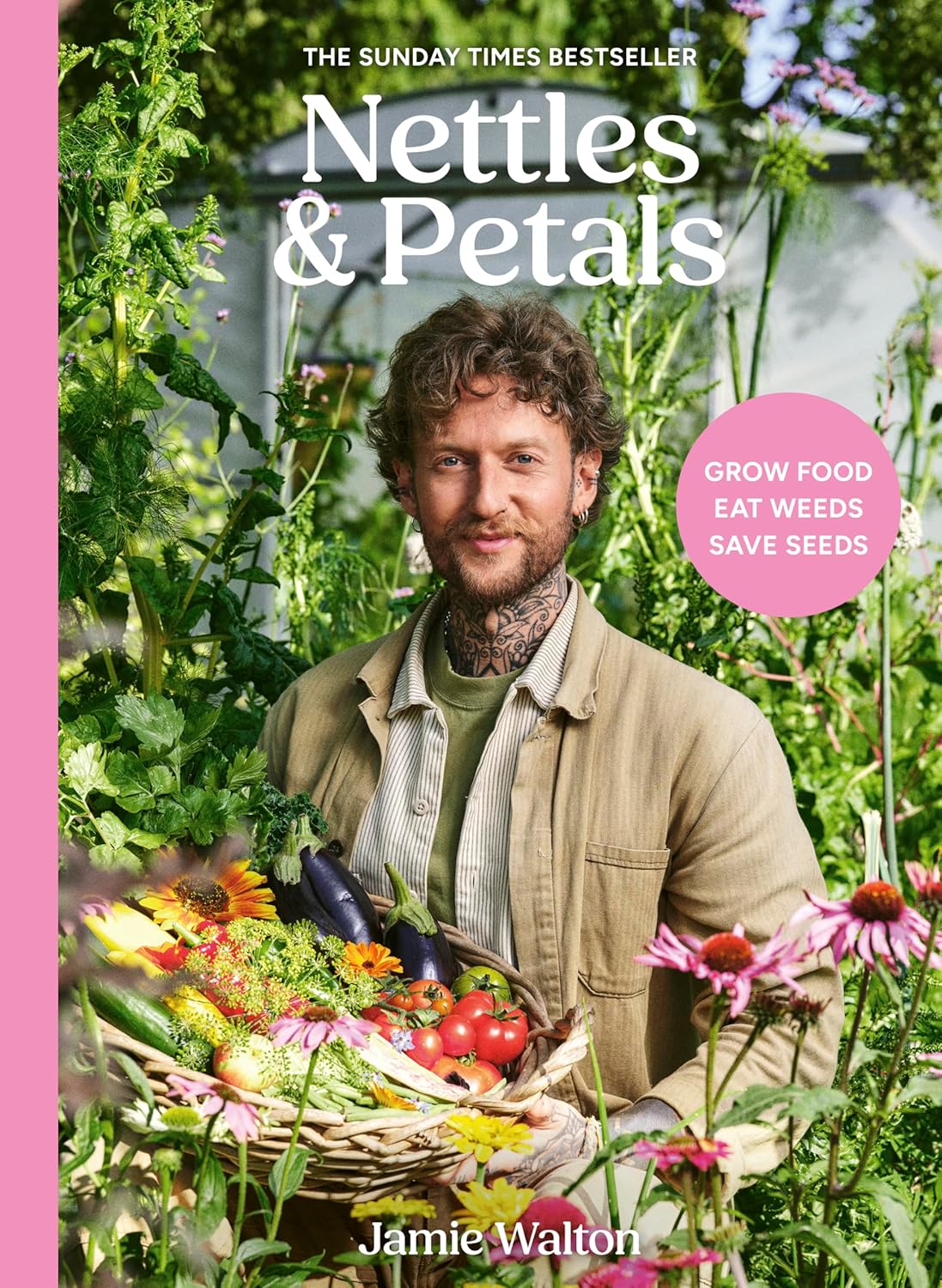
Nettles & Petals: Grow Food by Jamie Walton
Nettles & Petals provides practical guidance on sustainable gardening, including companion planting, seed saving, and integrating wild plants for ecosystem balance. The book features clear illustrations, step-by-step instructions, and tips for urban and small-scale gardens, making ecological gardening accessible to everyone. Following Jamie Walton’s advice, I successfully applied techniques in my garden, improving soil, plant growth, and overall sustainable gardening experience.
expert start
What Is It and Its Product Features?
Nettles & Petals: Grow Food. Eat Weeds. Save Seeds. by Jamie Walton is a beautifully illustrated gardening guide that blends practical advice with an ecological approach. The book focuses on growing food sustainably, appreciating edible plants and wild weeds, and building a balanced garden ecosystem. This book is more than just a gardening manual—it is a guide to thinking differently about how we grow food. Jamie Walton emphasizes biodiversity, soil health, companion planting, and ecological garden planning. The book includes step-by-step guides for growing his “top 30” vegetables, methods for seed saving and sowing, and tips for integrating flowers and wild plants into your garden. It also covers urban and small-scale gardening, making it accessible for those with limited space.
Why It Matters
Nettles & Petals matters because it changes the way we view our gardens. Instead of trying to eradicate weeds, Jamie encourages us to see their value and use them as part of a thriving ecosystem. The book promotes sustainable gardening practices that improve soil health, attract pollinators, and ultimately create a self-sustaining garden. This approach is especially important today, as more gardeners look to reduce chemical use, save seeds, and grow food responsibly. For anyone interested in ecological gardening, this book offers both inspiration and actionable advice.
My Set-Up and My Experience
I used this book to reimagine my own garden space. Following Jamie’s guidance, I started companion planting and incorporated edible weeds like nettles into my garden beds. I also experimented with seed saving and sowing, as suggested in the book. The instructions are very approachable, so even without prior experience, I could implement them easily. The illustrations helped me visualize planting layouts, and the practical tips for small and urban spaces made it possible to optimize even my limited garden area. Overall, it felt like having Jamie guide me through each step of creating a more sustainable garden.
Performance
The book performs excellently as a practical guide. The tips on companion planting, integrating flowers, and recognizing the value of wild plants are immediately useful. I noticed improvements in soil health and plant growth after applying several methods from the book. While the book is not highly technical, it provides enough detail to be informative and engaging. The illustrations and diagrams, although not glossy, are clear and aid understanding. For gardeners seeking inspiration and a sustainable framework, Nettles & Petals delivers consistently.
Practical Tips
- Use nettles and wild plants to enrich your soil naturally.
- Practice companion planting to boost vegetable growth.
- Save seeds from mature plants for future planting.
- Incorporate flowers in your garden to attract pollinators.
- Plan your garden to create a balanced ecosystem.
expert end
pro start
| Pros | Cons |
|---|---|
| ✔️ Easy to follow for beginners and accessible for experienced gardeners. | ❌ Paper quality could be more durable. |
| ✔️ Encourages sustainable and ecological gardening practices. | ❌ Photographs are not glossy and lack vibrancy. |
| ✔️ Beautiful illustrations make concepts easy to understand. | ❌ Not very technical for advanced gardeners seeking depth. |
| ✔️ Covers seed saving, companion planting, and urban gardening. | ❌ Some sections are brief and could use more detail. |
| ✔️ Inspires appreciation for edible weeds and natural ecosystems. | ❌ Focuses mainly on Jamie’s preferred plants, limiting variety |
pro end
Veg in One Bed New Edition by Huw Richards
Veg in One Bed New Edition offers a month-by-month guide with illustrations, teaching organic gardening efficiently for beginners and experienced gardeners alike. The book explains raised bed setup, crop rotation, succession planting, and windowsill seed starting, ensuring year-round vegetable growth and healthy soil. Following this guide, I successfully planned, planted, and maintained my raised bed, enjoying abundant harvests and gaining confidence as a gardener.
expert start
What It Is and Its Features
Veg in One Bed New Edition is a comprehensive gardening guide that teaches you how to grow vegetables in a 4x10ft (1.2x3m) raised bed. The book is organized month by month, explaining what to plant, when to plant it, and how to maintain the bed. Key features include illustrated plans of the raised bed each month, advice on windowsill planting for early success, and tips on avoiding pests and maximizing harvest.
Why It Matters
The book also suggests alternative vegetables, helping you customize your garden according to your taste and climate. It covers the first year in detail and provides guidance for years two and three, making it a long-term resource. This book matters because it simplifies gardening, making it achievable for anyone, regardless of prior experience. By following the guide, you can grow a self-sufficient, productive garden, even if you have limited space or time.
My Set-Up and My Experience
When I first used Veg in One Bed New Edition, I set up a 4x10ft raised bed in my small backyard. I appreciated the instructions on selecting the right site, preparing the soil, and choosing vegetables suitable for my climate. The month-by-month guide made it simple to know exactly what to do each week. I started seedlings on my windowsill, as suggested, which ensured early growth and a strong start for my plants. Following Huw Richards’ guidance, I was able to rotate crops effectively and maintain soil health, which kept my garden productive throughout the season.
Performance
In terms of performance, Veg in One Bed New Edition exceeded my expectations. The month-by-month approach kept me on track, and the illustrations helped visualize my garden’s progress. By following the planting plans, I harvested vegetables consistently and efficiently. The book’s advice on organic care and maintenance proved effective; my plants were healthy, vibrant, and abundant. I especially valued the inclusion of alternative planting options, which allowed me to adapt the garden to my personal taste and local conditions. While the book does not focus on high-demand vegetables like tomatoes or peppers for colder climates, the guidance it provides ensures maximum productivity for the recommended crops.
Practical Tips
- Start seedlings on your windowsill for an early advantage.
- Follow month-by-month planting to avoid confusion.
- Rotate crops to maintain soil health and prevent pests.
- Use alternative vegetables to suit your taste and climate.
- Keep track of harvests to plan the next season efficiently.
expert end
pro start
| Pros | Cons |
|---|---|
| ✔️ Clear step-by-step month-by-month instructions. | ❌ Limited suggestions for highly desired vegetables like tomatoes and peppers. |
| ✔️ Practical illustrations of raised bed layouts. | ❌ Kindle version is mostly images, not text, which is hard to read on devices. |
| ✔️ Helps beginners understand gardening easily. | ❌ Less detail on building and maintaining healthy soil. |
| ✔️ Encourages organic, sustainable growing practices. | ❌ Focused on cooler climates; some advice may not suit warmer regions. |
| ✔️ Offers alternatives to customize vegetable choices. | ❌ Some gardeners may want more advanced tips |
pro end
Gaia’s Garden: A Guide to Home-Scale Permaculture
Gaia’s Garden teaches home-scale permaculture, improving soil, conserving water, and supporting wildlife for productive, low-maintenance, sustainable gardens. The book provides detailed plant selection, companion planting, and urban gardening guidance for abundant, diverse, and resilient garden ecosystems. Applying Gaia’s Garden transformed my backyard, enhancing soil health, increasing productivity, and creating a low-maintenance, eco-friendly, beautiful garden environment.
expert start
What is it and its Features
Gaia’s Garden: A Guide to Home-Scale Permaculture, 2nd Edition by Toby Hemenway is an incredible guide for anyone interested in ecological gardening. This book teaches how to work with nature, not against it, to create beautiful, abundant, and low-maintenance gardens. It covers everything from soil health to biodiversity, and even urban gardening for small spaces. Gaia’s Garden is more than a typical gardening book. It is a complete manual for home-scale permaculture, helping gardeners create a sustainable and self-maintaining garden ecosystem.
Why It Matters
The book explains practical methods for building and maintaining soil fertility, conserving water, and supporting wildlife like birds, beneficial insects, and small animals. It also provides guidance for growing edible gardens that include fruits, nuts, and vegetables, even in urban areas with limited space. The 2nd edition is updated with new techniques, charts, and advice on urban permaculture. This book matters because it offers a roadmap to a more sustainable, productive, and natural way of gardening that reduces effort while increasing output.
My Set-Up and My Experience
Before I read Gaia’s Garden, my backyard was a traditional lawn with a small raised vegetable bed. I had limited knowledge of permaculture and was unsure how to make my garden more productive. After reading the book, I transformed my space using the techniques explained by Toby Hemenway. I applied sheet mulching to reduce lawn maintenance and improve soil quality. I planned a layered garden design with companion planting, focusing on both edible plants and habitat for beneficial wildlife. Within weeks, I saw significant improvement in soil health, and my garden became more resilient. I also started planning for backyard chickens, inspired by the book’s integrated approach to home ecosystems.
Performance
The performance of Gaia’s Garden as a resource is exceptional. The book is comprehensive yet readable. It balances technical detail with practical advice, showing not only what to do but why it works. Following the principles in the book, my garden became healthier, more diverse, and more productive. Soil fertility improved naturally, water retention increased, and pests were managed without chemicals. The book’s methods encouraged me to observe my garden carefully and adapt the strategies to my specific environment. It is not just theory; it is highly actionable. The step-by-step guidance allowed me to implement changes gradually, making each improvement meaningful and sustainable.
Practical Tips
- Start with small projects and expand gradually.
- Use sheet mulching to improve soil and reduce maintenance.
- Plant diverse species for natural pest control and soil enrichment.
- Observe the garden and adapt designs based on results.
- Include habitat elements to attract beneficial wildlife.
expert end
pro start
| Pros | Cons |
|---|---|
| ✔️ Easy to understand for beginners | ❌ Some chapters are very detailed |
| ✔️ Provides practical methods to reduce garden labor | ❌ Few visual design examples for gardens |
| ✔️ Encourages sustainable, low-impact gardening practices | ❌ Focuses mainly on temperate climates, less on tropical or arid zones |
| ✔️ Offers detailed guidance on plant selection | ❌ Not heavily illustrated, so visual learners may need extra references |
| ✔️ Inspires creativity with real-life examples and experiments | ❌ May require patience to see results |
pro end
These Gardening Books Are Perfect For Who?
Gardening is enjoyed by people of all ages and experience levels. Surveys show that millions of households grow plants at home, and the number of people growing vegetables and herbs continues to rise each year. Gardening books appeal to a wide range of readers because they help people learn new skills, improve their gardens, and enjoy nature.
i. Beginner gardeners. Someone who is new to gardening will enjoy friendly, how-to guides that explain basic concepts in simple language. Beginner books often include diagrams, step-by-step projects, and tips for avoiding mistakes.
ii. Vegetable and home food growers. Many gardeners grow their own fruit and veg – about 34% of UK gardeners use their space to grow food. A book on sowing seeds, crop planning, or kitchen gardening would delight anyone who likes homegrown produce.
iii. Flower and ornamental plant lovers. Nearly half of home gardens feature roses or other flowers, so gardeners who love blooms will enjoy books on flower arranging, perennial planting, or creative floral displays. Look for titles with plenty of floral photography and design ideas.
iv. Indoor plant enthusiasts. Houseplants have boomed in popularity – roughly 46% of British adults bought a houseplant in 2022. If the gift recipient tends a collection of tropical or potted plants, a guide to indoor gardening or plant care is ideal.
v. Wildlife and sustainability supporters. Some gardeners prioritize eco-friendly practices and attracting wildlife. Books that focus on sustainable gardening, composting, or wildlife habitats will appeal to anyone who wants to help bees, birds, and the planet while gardening.
vi. Hobbyist and experienced gardeners. A keen gardener who already knows a lot may enjoy a beautiful coffee-table book or a book of garden stories and memoirs. For example, a book of stunning garden photography or quirky plant trivia can still inspire even seasoned green-fingered folk.
Advantages and Disadvantages Gardening Books as Gifts
Gardening books are among the most popular hobby gifts during the holiday season. Recent lifestyle surveys show that millions of people around the world now grow plants at home, whether in small balconies, backyards, or indoor spaces.
Because of this growing interest, gardening books remain valuable learning tools for beginners and experienced gardeners. However, like any gift, they have both advantages and disadvantages.
Advantages
- Long-lasting gift: Gardening books can be used for many years as a reference guide.
- Encourages outdoor hobbies: They motivate people to spend more time gardening and enjoying nature.
- Helps people grow their own food: Many books teach vegetable gardening and home food production.
- Improves gardening knowledge: Readers learn practical tips about soil, plants, watering, and garden care.
- Inspires creativity: Beautiful photos and design ideas help gardeners create attractive gardens.
- Suitable for many skill levels: Books are available for beginners, hobby gardeners, and experts.
- Educational and thoughtful: A gardening book shows support for someone’s hobby and interests.
Disadvantages
- May not match experience level: Some books may be too basic or too advanced for the reader.
- Regional gardening differences: Advice may not fully apply to every climate or location.
- Information can become outdated: Older editions may not include the latest gardening techniques.
- Some people prefer digital learning: Many gardeners now use videos, blogs, or mobile apps instead of books.
- Possible duplication: The recipient may already own similar gardening books.
Tips for Choosing the Right Gardening Book as a Gift
Use gardening books as a step-by-step guide when planning your garden and choosing the right plants. Read the seasonal tips to understand the best time for planting, watering, and harvesting. Follow the photos and illustrations to learn proper gardening techniques. You can also bookmark useful pages so you can quickly return to important gardening advice throughout the year.
a. Match the experience level. Make sure the book isn’t too advanced or too basic. For a new gardener, choose a beginner’s guide or a book on easy projects. For a seasoned gardener, look for specialized or visually stunning books.
b. Look for clear photos and diagrams. A good gardening book should have plenty of illustrations. Recipes for a garden are visual – diagrams of how to prune, photos of plants to identify, layout plans for beds. Clear images help any gardener.
c. Consider the recipient’s interests. If they love vegetables, pick a book about growing food (like What To Sow, Grow and Do). If they love indoor plants, choose an indoor gardening guide. If they’re into design, go for a coffee-table book with great photos. Showing that you know their niche makes the gift special.
d. Check edition and publication date. Gardening science and design trends update over time. A recently updated edition may have the latest advice on plant care, new varieties, and modern techniques. (For example, The Modern Gardener is very up-to-date on sustainable practices.)
e. Read some reviews. Look for what other gardeners say. A book with good reader ratings or awards (like “Book of the Year” prizes) is often a safe bet. By keeping the recipient and these factors in mind, you’ll find a gardening book that they will really appreciate.
Conclusion
Gardening books make thoughtful, long-lasting Christmas gifts. They appeal to people who enjoy nature, want to learn new skills, or need a bit of inspiration for the months ahead. The nine books listed above cover a wide range of interests and abilities, so there’s something here for every type of gardener. Whether the gift recipient is just starting their first seed or has tended gardens for decades, one of these books can spark joy and creativity in their hobby.