5 Best Garden Hand Cart Guide In 2026: Uses & Buying Tips
- The global garden carts and wheelbarrows market reached an estimated $2.6 billion in 2024 and is projected to climb to $3.6 billion by 2030, according to Global Industry Analysts.
- A garden hand cart turns awkward, back-straining chores like hauling soil, mulch, and potted plants into a single smooth trip across the yard.
- Choosing the right one depends on weight capacity, wheel type, frame material, and how the cart will be stored between uses.
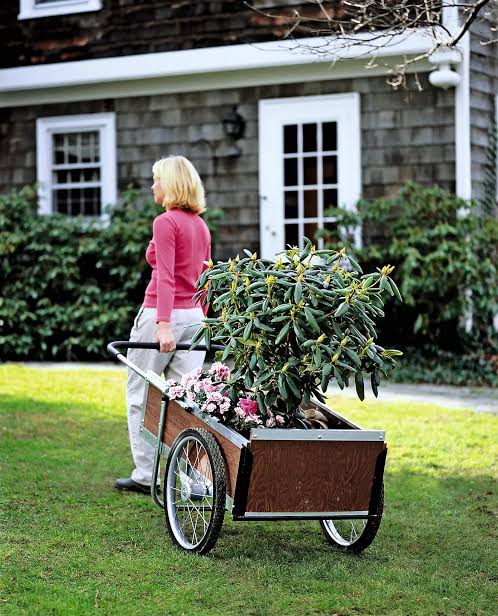

A garden hand cart carries the physical weight of gardening so your back does not have to. Anyone who has hauled a bag of mulch across a yard in two trips, or tried to balance a tray of seedlings while walking uphill, understands why this simple tool earns its place in a shed.
An Overview Of 5 Top Garden Hand Cart For 2026
| Product | Title | Features | Explore |
|---|---|---|---|
 | ROSONG Collapsible Wagon Foldable Garden Hand Cart |
| Check Price |
 | FFQ Foldable Garden Hand Wagon Cart |
| Check Price |
 | Etoolab Steel Garden Hand Cart |
| Check Price |
 | Folding Portable Wagon Cart |
| Check Price |
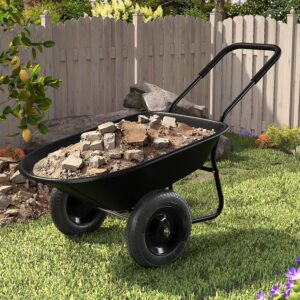 | ARNOT Enlarged Wheelbarrow Garden Cart |
| Check Price |
The right garden hand cart depends on the job in front of you. A cart sized for hauling firewood behaves differently from one built for moving delicate potted plants, and picking the wrong one means either straining to push an oversized frame or overloading a small one until it tips.
What Is Garden Hand Cart?
A garden hand cart is a wheeled container, usually with a metal or plastic bed and two or four wheels, designed to be pushed or pulled by hand to move gardening materials. Its main purpose is transport: getting soil, plants, tools, or debris from one point in the yard to another without repeated trips.
Gardeners use hand carts for tasks that involve moving bulk or awkward loads. A single cart trip can carry several bags of soil, a stack of potted plants, or a pile of pulled weeds, replacing multiple walks with arms full of material.
A garden hand cart differs from a garden wagon and a wheelbarrow in how weight is distributed and steered. A hand cart typically balances its load over two or four wheels and is pushed forward, a wheelbarrow concentrates weight over a single front wheel and is lifted and pushed, and a garden wagon is pulled from the front by a long handle rather than pushed from behind.
Global Industry Analysts, 2025 found that the global garden carts and wheelbarrows market was valued at $2.6 billion in 2024 and is projected to reach $3.6 billion by 2030, growing at a 5.9% CAGR. That growth signals steady, sustained demand for hauling equipment rather than a short-term trend.
Household participation backs up that figure. 81% of U.S. households reported taking part in gardening activities in 2023, a level roughly 10 percentage points higher than pre-pandemic years, based on the National Gardening Association’s 2024 survey. More active gardeners means more soil, mulch, and plants that need moving, and a garden hand cart is often the tool that makes that possible without hired help.
5 Top Best Garden Hand Carts for 2026
A good garden hand cart can make it easier to move soil, plants, tools, mulch, and other materials around your yard. In this guide, I’ve selected 5 top garden hand carts for 2026, focusing on capacity, stability, durability, ease of use, and overall practicality.
ROSONG Collapsible Wagon Foldable Garden Hand Cart
The ROSONG wagon features a sturdy steel frame, 600D Oxford fabric, 120L capacity, and durable PU wheels for outdoor use. Its foldable design, 360-degree rotating front wheels, extendable handle, and detachable wheels provide convenient transportation, storage, and cleaning. In my experience, the ROSONG wagon made moving gardening tools, plants, soil, and supplies easier while folding compactly for storage.
expert start
What Is It and Its Features?
The ROSONG Collapsible Wagon Cart is a foldable utility wagon made for carrying gardening tools, plants, soil bags, groceries, and other outdoor items. Its 1.2mm thick steel frame gives it a sturdy feel, while the 600D Oxford fabric provides a durable carrying area.
The 360-degree rotating front wheels help with turning, and the PU wheels make it easier to move across different outdoor surfaces. It weighs about 12 pounds and folds down to approximately 22 × 9.8 × 7.5 inches for convenient storage.
Why It Matters?
The ROSONG Collapsible Wagon Cart matters because it makes moving several gardening items at once easier than carrying them separately. I particularly liked having enough space for smaller tools, bags, containers, and other supplies without repeatedly walking back and forth. Its rotating front wheels also made steering around garden paths more convenient.
Another useful feature of the ROSONG Collapsible Wagon Cart is its foldable construction. After finishing garden work, I could collapse the wagon and store it in a smaller space. The detachable wheels were also helpful for cleaning after outdoor use, especially when the wheels picked up dirt from garden paths or grass.
My Set-Up And My Experience
I set up the ROSONG Collapsible Wagon Cart for routine gardening jobs where I needed to transport tools, small plant containers, soil, and other supplies. The extendable handle felt comfortable during pulling, while the rotating front wheels helped me change direction without constantly lifting or repositioning the wagon. Folding it afterward made storage simple.
Performance
The ROSONG Collapsible Wagon Cart performed well for general gardening and outdoor carrying tasks. The steel frame provided good support, while the fabric body held different types of supplies securely.
I found the wagon easiest to use on relatively smooth garden paths and firm ground. The 360-degree front wheels helped when turning around plants, beds, and narrow areas. Its lightweight construction was also convenient because I could move and store it without much effort.
Practical Tips
- Keep the load balanced across the wagon.
- Avoid exceeding the manufacturer’s recommended weight.
- Clean the wheels after muddy garden work.
- Fold the wagon before storing it in a tight space.
- Use firm paths for easier movement when heavily loaded.
expert end
pro start
| Pros | Cons |
|---|---|
| ✔️ Foldable and space-saving design | ❌ Less suitable for very rough terrain |
| ✔️ Strong steel frame | ❌ Fabric body needs regular cleaning |
| ✔️ Smooth 360-degree front wheels | ❌ Can become harder to pull when heavily loaded |
| ✔️ Detachable wheels for cleaning | ❌ Large loads may affect maneuverability |
| ✔️ Useful for gardening and outdoor tasks | ❌ Requires storage when not in use |
pro end
FFQ Foldable Garden Hand Wagon Cart
360-pound capacity and alloy steel frame provide strong support, while 360° swivel wheels improve maneuverability across different outdoor surfaces. The lightweight 11-pound design folds compactly, with an adjustable handle and two cup holders for convenient outdoor use. In my experience, the FFQ wagon was easy to set up, pull, load with garden supplies, and store after use.
expert start
What Is It and Its Features?
The FFQ Foldable Wagon Cart is a collapsible utility wagon designed for gardening, camping, shopping, sports, beach trips, and general outdoor hauling. It measures 26.4 x 17.3 x 41.3 inches and has a 360-pound stated load capacity.
The alloy steel frame and reinforced joints give the wagon a solid structure, while the fabric body provides flexible storage space. It weighs around 11 pounds, so I found it relatively easy to move and carry when empty. The adjustable handle also makes pulling more comfortable for different users.
Why It Matters?
The FFQ Foldable Wagon Cart matters because it can reduce the effort needed to carry several gardening items at once. Its 360° swivel wheels help with movement, while the strong frame provides useful support for heavier loads during regular outdoor tasks.
The FFQ Foldable Wagon Cart is also useful when storage space is limited. It folds down to a compact size and can fit in a car trunk, closet, or camping area. I liked this feature because I could store it without giving up much space.
My Set-Up And My Experience
I set up the FFQ Foldable Wagon Cart by unfolding its frame, extending the handle, and checking the wheels before loading it. The setup was straightforward and did not require complicated assembly. During my use, I mainly found it helpful for moving garden tools, bags, pots, and other supplies around the yard. The cup holders were also a convenient small addition for outdoor work.
Performance
The FFQ Foldable Wagon Cart performed well for general gardening and outdoor hauling. Its swivel wheels made turning easier than a basic fixed-wheel cart, particularly when moving along grass and other outdoor surfaces.
The alloy steel frame felt stable with normal loads, while the fabric compartment held different-sized items without much trouble. I also appreciated being able to fold the wagon after use. However, on very rough or deeply uneven ground, pulling a fully loaded wagon still required some extra effort.
Practical Tips
- Spread the load evenly across the wagon before pulling it.
- Avoid exceeding the stated 360-pound load capacity.
- Check the wheels before using the wagon on rough ground.
- Clean and dry the fabric before folding it for storage.
- Keep the folded wagon in a dry place to protect its frame and fabric.
expert end
pro start
| Pros | Cons |
|---|---|
| ✔️Strong alloy steel frame | ❌Can require more effort on very rough ground |
| ✔️360-pound stated capacity | ❌Fabric body needs proper care |
| ✔️Folds compactly for storage | ❌Large loads can make pulling harder |
| ✔️360° swivel wheels | ❌Not ideal for extremely uneven terrain |
| ✔️Adjustable handle and cup holders | ❌Wheel performance depends on surface conditions |
pro end
Etoolab Steel Garden Hand Cart
The Etoolab Steel Garden Cart features a reinforced steel frame, 1000-pound capacity, and durable construction for demanding outdoor hauling tasks. Its 10-inch pneumatic all-terrain tires, removable mesh sides, and flexible steering provide versatility across grass, gravel, mud, and uneven surfaces. In my experience, the cart felt stable and easy to control while moving soil, branches, tools, and other heavy garden materials.
expert start
What Is It and Its Features?
The Etoolab Steel Garden Cart 1000 Lbs Capacity is a metal utility wagon made for demanding outdoor hauling tasks. It measures 38 x 20 x 22 inches and has a strong steel frame with reinforced crossbeams.
Its four 10-inch pneumatic tires provide shock absorption on grass, gravel, mud, and uneven surfaces. The removable mesh sides are another useful feature because they can be detached when carrying large branches, logs, boxes, or other awkward items.
Why It Matters?
The Etoolab Steel Garden Cart 1000 Lbs Capacity matters because a strong hauling cart can reduce the number of trips needed during garden and farm work. Its reinforced steel frame and high stated load capacity make it suitable for moving heavier materials. The pneumatic tires also help provide smoother movement across different outdoor surfaces.
I also liked the flexible steering design of the Etoolab Steel Garden Cart 1000 Lbs Capacity. The removable sides give it more flexibility for different loads, while the coated metal frame is useful for regular outdoor work. These features make the cart practical for soil, mulch, branches, tools, and general yard cleanup.
My Set-Up And My Experience
Setting up the Etoolab Steel Garden Cart 1000 Lbs Capacity was straightforward, and I first checked the frame, wheels, handle, and side panels before using it. The tires arrived partially inflated, so I added air before starting. During use, I liked the solid steel construction and removable sides because they gave me more control when carrying different types of garden materials.
Performance
The Etoolab Steel Garden Cart 1000 Lbs Capacity performed well for heavy outdoor hauling. The 10-inch pneumatic tires helped it move across grass, gravel, and uneven ground with less vibration than smaller hard wheels.
I found the steering handle helpful when changing direction in tighter areas. The reinforced frame also felt stable while carrying substantial loads. The removable mesh panels were especially useful when I needed extra space for branches and bulky materials.
Practical Tips
- Check and inflate the pneumatic tires before the first use.
- Distribute heavy loads evenly across the cart bed.
- Remove the mesh sides when carrying oversized materials.
- Avoid keeping the cart at its maximum rated load for long periods.
- Clean and dry the steel frame after wet or muddy use.
expert end
pro start
| Pros | Cons |
|---|---|
| ✔️Strong welded steel frame | ❌Heavy compared with plastic carts |
| ✔️1000 lb stated capacity | ❌Maximum load needs careful handling |
| ✔️10-inch all-terrain pneumatic tires | ❌Tires may need inflation before use |
| ✔️Removable mesh side panels | ❌Assembly takes some time |
| ✔️Flexible steering and ergonomic handle | ❌Not ideal for very narrow spaces |
pro end
HIKEMOON 34” Folding Portable Wagon Cart
The HIKEMOON wagon offers 120L capacity, a 360-pound load rating, durable 600D Oxford fabric, and a sturdy metal frame for gardening tasks. Its extra-long 34-inch body, adjustable 42-inch handle, 360-degree wheels, and folding design provide convenient carrying and storage options. In my experience, the lightweight wagon was easy to move, fold, and use for carrying plants, tools, soil bags, and garden supplies.
expert start
What Is It and Its Features?
The HIKEMOON 34” Extra Long Folding Portable Wagon Cart is a collapsible utility wagon made with a sturdy metal frame and durable 600D Oxford fabric. It has a 120L capacity and can support up to 360 pounds. The extra-long 34-inch body gives more space than a standard wagon, which is useful when carrying gardening tools, bags of soil, plants, pots, and other supplies.
The fabric is tear-resistant, waterproof, and removable for cleaning. It also has two mesh cup holders for convenient storage. The wagon weighs only 14 pounds, so I found it easier to move and handle than many larger garden carts.
Why It Matters?
The HIKEMOON 34” Extra Long Folding Portable Wagon Cart matters because its long body provides useful space without making the wagon difficult to store. I found this especially helpful when carrying long gardening tools and several smaller supplies together during regular garden work.
Another useful feature is the adjustable handle and rotating front wheels. The handle can extend up to 42 inches, while the 360-degree wheels make turning easier. The removable Oxford fabric also makes cleaning simpler after carrying soil, leaves, or other messy gardening materials.
My Set-Up and My Experience
Setting up the HIKEMOON 34” Extra Long Folding Portable Wagon Cart was simple because I only needed to attach the wheels and handle before using it. I liked how quickly it folded after use. During gardening tasks, the long interior gave me enough room for plants, hand tools, bags, and other supplies without needing several trips. Its lightweight 14-pound construction also made moving and storing the wagon convenient.
Performance
The HIKEMOON 34” Extra Long Folding Portable Wagon Cart performed well for general gardening and carrying tasks. The 360-degree rotating front wheels helped me turn the wagon more easily around garden paths and tighter areas. The adjustable handle was comfortable to use at different heights.
I also liked the 600D Oxford fabric because it felt suitable for regular outdoor use and could be removed for cleaning. The extra-long design was particularly useful when I needed to carry longer items that might not fit comfortably inside a conventional wagon.
Practical Tips
- Check that the wheels and handle are properly attached before using the wagon.
- Distribute heavier items evenly across the wagon for better stability.
- Avoid exceeding the stated 360-pound weight capacity.
- Clean and dry the fabric after carrying wet soil or muddy gardening materials.
- Fold the wagon completely before storing it to save space.
expert end
pro start
| Pros | Cons |
|---|---|
| ✔️ Extra-long 34-inch design | ❌ Long body may need more space when turning |
| ✔️ Supports up to 360 pounds | ❌ Fabric can collect dirt during garden work |
| ✔️ Lightweight 14-pound construction | ❌ Not designed for very rough terrain |
| ✔️ Adjustable handle and rotating wheels | ❌ Large loads can make pulling harder |
| ✔️ Folds quickly for compact storage | ❌ Requires careful loading for stability |
pro end
ARNOT Enlarged Wheelbarrow Garden Cart
220-pound capacity and a large polypropylene tray provide ample space for moving soil, rocks, leaves, wood, and garden materials. Two 13-inch pneumatic wheels improve stability and cushioning, while the padded ergonomic handle provides better grip and leverage during hauling.
In my experience, the ARNOT wheelbarrow felt stable and comfortable to use, especially when transporting heavier garden materials across uneven ground.
expert start
What Is It and Its Features?
The ARNOT Enlarged 2-Wheel Wheelbarrow is a utility garden cart made with alloy steel, polypropylene, and rubber. It measures 57 x 26 x 26 inches and has a stated weight capacity of 220 pounds.
Its enlarged polypropylene tray is lightweight, impact-resistant, and deep enough to help keep materials from spilling during transport. The two pneumatic wheels provide cushioning over uneven ground, while the longer padded handle gives a comfortable grip and better leverage when pushing or pulling the cart.
Why It Matters?
The ARNOT Enlarged 2-Wheel Wheelbarrow matters because moving heavy garden materials by hand can take more time and effort. Its two-wheel structure provides extra stability compared with a single-wheel design. I found this useful when moving heavier loads because the cart stayed balanced and did not feel as difficult to control.
Another useful feature is the enlarged polypropylene tray. The ARNOT Enlarged 2-Wheel Wheelbarrow can carry different materials for gardening, lawn care, and light farm work. The pneumatic tires also helped make movement more comfortable on rough ground, while the padded handle provided a better grip during longer tasks.
My Set-Up and My Experience
I found the ARNOT Enlarged 2-Wheel Wheelbarrow fairly simple to set up, and its 57-inch length gave me good leverage while moving loads. During use, I liked the wider tray because I could carry more material in one trip. The two large wheels also made the cart feel stable when moving across uneven areas of the garden.
Performance
The ARNOT Enlarged 2-Wheel Wheelbarrow performed well for common garden hauling tasks. I used it for moving soil, garden waste, and other materials, and the enlarged tray gave me enough space for larger loads. The pneumatic wheels helped absorb some of the bumps on uneven ground.
I also noticed that the two-wheel design made the cart feel more balanced when carrying heavier materials. The padded rubber handle was comfortable to hold and provided a secure grip while pushing the cart. For gardening, lawn work, and light farm or ranch tasks, its combination of stability, tray space, and large wheels makes it a practical option.
Practical Tips
- Do not exceed the stated 220-pound load capacity.
- Keep the pneumatic tires properly inflated for smoother movement.
- Distribute heavy materials evenly across the tray.
- Avoid dragging the cart sideways on rough ground.
- Clean the polypropylene tray after carrying wet or dirty materials.
expert end
pro start
| Pros | Cons |
|---|---|
| ✔️ Stable two-wheel design | ❌ Pneumatic tires may need inflation |
| ✔️ Large 220-lb load capacity | ❌ Larger size needs more storage space |
| ✔️ Spacious polypropylene tray | ❌ Not designed for extremely heavy loads |
| ✔️ Comfortable padded handle | ❌ Assembly is still required |
| ✔️ Large pneumatic wheels | ❌ Air tires can lose pressure over time |
pro end
What to Consider When Choosing Garden Hand Cart
Not every cart on the shelf suits every yard. The factors below determine whether a garden hand cart will hold up to your specific workload or become a frustration after a few uses.
1. Weight Capacity
Weight capacity is the maximum load a garden hand cart can safely carry, usually printed on a manufacturer’s spec sheet in pounds or kilograms. Exceeding it stresses the frame, axle, and wheels, and can cause a tip-over or a bent bed.
- A capacity of 200 to 300 pounds suits most home gardens handling soil bags, small plants, and hand tools.
- Heavier tasks like moving wet mulch, stone, or large potted trees call for carts rated 400 pounds or higher.
- Buyers who plan to haul mixed loads, such as soil plus tools plus plant trays, should size up rather than buy the minimum capacity they think they need.
Matching capacity to your heaviest realistic load, not your average one, prevents the cart from becoming the weak link in a landscaping project.
2. Cart Size and Bed Dimensions
Cart dimensions determine how much material fits per trip and how easily the cart maneuvers around tight garden beds. A bed that is too shallow spills loose material, while one that is too wide can struggle in narrow side yards or gates.
Small gardens generally do better with compact beds under three feet long, since they turn easily between raised beds and containers. Larger yards and landscaping projects benefit from bigger beds that reduce the number of trips needed to move soil, mulch, or debris across open ground.
3. Wheel Type and Ground Compatibility
Pneumatic wheels (air-filled rubber tires) absorb shock and roll smoothly over grass, gravel, and dirt, but they can puncture and need occasional inflation. Flat-free wheels, built from solid foam or polyurethane, never go flat and need no maintenance, though they transmit more vibration on rough ground.
Solid rubber wheels sit between the two, offering decent traction without the puncture risk of pneumatic tires. Lawns and soft dirt paths favor wider, low-pressure pneumatic tires that avoid sinking, while gravel driveways and paved paths work fine with flat-free or solid designs.
4. Frame and Construction Material
Steel frames offer the highest strength-to-cost ratio and hold up under heavy, repeated loads, though untreated steel can rust if left outdoors. Aluminum weighs less and resists corrosion naturally, making it a common choice for carts that will sit outside through wet seasons.
Plastic and composite beds resist rust entirely and are easy to hose clean, but they generally carry less weight than steel before flexing or cracking. Powder-coated steel splits the difference, adding a protective layer that slows rust without the added cost of aluminum.
Global Industry Analysts, 2025 reports that the steel segment of the garden cart and wheelbarrow market is expected to grow at a 7.4% CAGR, outpacing the 4.3% CAGR projected for plastic carts, and reach $1.6 billion by 2030. That gap suggests buyers increasingly favor durability over the lighter weight plastic offers.
5. Handle Design and Maneuverability
A comfortable handle reduces wrist and shoulder strain during long hauling sessions, especially on carts used daily. Ergonomic grips, adjustable handle heights, and a wide turning radius all affect how easily a cart steers around tight garden corners.
A cart that fits the way a person naturally pushes will always outperform a cart that simply carries more weight.
6. Storage and Assembly
Folding garden hand carts collapse flat or fold their sides down, cutting the space they need in a shed or garage by half or more. Detachable wheels and removable side panels offer similar savings for carts that do not fully fold.
- Check whether the cart ships assembled or requires tools, since some models take under ten minutes while others need an hour.
- Confirm the folded dimensions fit your actual storage space before buying, not just the assembled size listed online.
- Look for a locking mechanism on folding models so the cart does not collapse mid-use.
Types of Garden Hand Carts
Garden hand carts come in several distinct designs, each suited to a different mix of load size, terrain, and storage needs.
1. Traditional Two-Wheel Garden Hand Cart
The traditional two-wheel design balances a rectangular bed over a single axle, offering stability for moderate loads and tight turning in narrow spaces. It suits daily tasks like transporting hand tools, small plants, and light bags of soil between beds.
2. Four-Wheel Garden Hand Cart
Four wheels spread the load across a wider base, distributing weight more evenly than a two-wheel design and reducing tipping risk on uneven ground. This makes four-wheel carts a better fit for heavier, bulkier materials like stacked pavers or large potted shrubs.
3. Heavy-Duty Garden Hand Cart
A heavy-duty cart pairs a reinforced steel frame with a larger bed and higher weight rating, often exceeding 600 pounds. These carts suit landscaping crews and demanding yard work such as hauling stone, soil for new beds, or construction debris.
The best garden hand cart is not the one with the highest capacity on paper, but the one matched to the task you repeat most often.
4. Folding Garden Hand Cart
A folding cart uses hinged sides or a collapsible frame that flattens for storage, trading some load capacity for portability. Gardeners with limited shed space or those who transport the cart in a vehicle trunk tend to favor this style.
5. Dump-Style Garden Hand Cart
A dump-style cart tilts or releases its bed forward, letting loose material like soil, mulch, or compost pour out without manual shoveling. This mechanism saves time and physical effort on jobs involving repeated unloading, such as spreading mulch across several beds in one afternoon.
Best Uses of Garden Hand Cart
A garden hand cart earns its keep across a wide range of everyday yard tasks, not just the occasional big project.
- Transporting bags or loose piles of soil, compost, and mulch from a delivery point to garden beds.
- Moving potted plants and gardening containers without lifting them individually across the yard.
- Carrying an assortment of gardening tools and equipment to a work area in a single trip.
- Collecting leaves, pulled weeds, and general garden debris for disposal or composting.
- Hauling firewood and landscaping materials such as pavers, gravel, or decorative stone.
- Transporting harvested vegetables and fruits from the garden to the kitchen or storage area.
Garden Hand Cart vs. Wheelbarrow
A wheelbarrow balances its load over a single wheel positioned at the front, which means the user supports a portion of the weight through the arms while lifting and steering. A garden hand cart spreads weight across two or four wheels, so the user pushes or pulls rather than partially lifting the load.
That difference in balance affects handling. Wheelbarrows can pivot in a tighter radius since the single wheel acts almost like a pivot point, while multi-wheel carts need more room to turn but stay upright more easily on uneven ground.
Stability under load matters more than tight turning once the weight in front of you starts pushing back.
Load capacity tends to favor the garden hand cart, since a wider wheelbase supports heavier, bulkier loads without the balancing act a wheelbarrow requires. Wheelbarrows remain popular for quick, small jobs like mixing and moving a single batch of concrete or soil, where their tight turning matters more than raw capacity.
A gardener working narrow paths between raised beds may prefer a wheelbarrow’s maneuverability, while someone hauling repeated heavy loads across open lawn will likely get more consistent results from a garden hand cart.
Garden Hand Wheelbarrow vs. Garden Wagon
A garden wagon is pulled from the front using a long handle, similar to a child’s wagon, while a garden hand cart is typically pushed from behind. This changes how the body engages during use, since pulling relies more on shoulder and arm strength while pushing lets a person lean body weight into the motion.
Steering also differs between the two. A garden wagon tends to follow the puller in a straight line and swings wide on turns, while a garden hand cart with a rear handle allows tighter, more controlled steering since the operator stands closer to the load.
Garden wagons often suit families who use the cart for mixed purposes, such as hauling kids’ outdoor gear alongside light garden supplies, since many models come with removable sides. Garden hand carts, by contrast, are built more specifically around hauling weight efficiently across a yard.
Buyers choosing between the two should think about how they naturally move heavy objects. Someone who already dislikes pulling heavy luggage will likely find a garden hand cart’s pushing motion more comfortable over repeated use.
How to Choose Right Garden Hand Cart for Your Needs
Choosing the right garden hand cart depends on the type of work, load size, terrain, and how often you plan to use it. Consider its capacity, wheel design, tray or bed size, handle comfort, and overall durability before making your choice.
1. Best Garden Hand Cart for Small Gardens
Small gardens benefit from compact dimensions and lightweight construction that make the cart easy to maneuver between raised beds and containers. A folding design adds further value here, since small properties often have limited shed or garage space.
2. Best Garden Hand Cart for Heavy Loads
Heavy loads call for a high weight rating, a reinforced steel frame, and durable wheels that will not deform under repeated stress. Stability matters as much as raw capacity, since a cart that tips under an uneven heavy load is more dangerous than one rated slightly lower but better balanced.
A cart chosen for the widest range of tasks will earn its cost back faster than one chosen for a single job it performs perfectly.
3. Best Garden Hand Cart for Uneven Ground
Uneven ground favors larger wheel diameters and wider tire construction, both of which help the cart roll over roots, ruts, and rocks without jarring stops. Pneumatic tires generally outperform solid or flat-free wheels here, since their give absorbs impact rather than transferring it straight to the frame and load.
4. Best Garden Hand Cart for Transporting Soil and Mulch
Moving soil and mulch efficiently depends on bed capacity paired with an easy-loading, easy-unloading design. A dump-style bed removes the extra step of shoveling material back out, which matters most on jobs involving multiple loads spread across several beds.
5. Best Garden Hand Cart for General Yard Work
General yard work rewards versatility over specialization, since the cart needs to handle tools one day and plants or debris the next. A mid-capacity, four-wheel cart with a durable frame tends to cover the widest range of everyday tasks without excelling narrowly at just one.
Garden Hand Cart Safety and Proper Use
Safe use of a garden hand cart protects both the equipment and the person operating it, since overloading or poor technique causes most cart-related injuries and damage.
- Check the manufacturer’s recommended weight capacity before loading, and treat it as a hard limit rather than a rough guideline.
- Distribute materials evenly across the bed to keep the cart balanced and reduce the chance of tipping on a turn.
- Avoid overloading the cart or stacking materials above the sides of the bed, since a high center of gravity increases tipping risk.
- Use the handle at the height and grip position intended by the manufacturer, rather than an awkward angle that strains the wrist.
- Take extra care on slopes, uneven ground, and wet surfaces, where reduced traction can let a loaded cart slip out of control.
- Keep hands and feet clear of moving wheels and pinch points, particularly when folding or unfolding the cart.
Securing loose materials, such as with a tarp or bungee cord over mulch or soil, prevents spillage that can create a slip hazard along the path you are hauling across.
How to Maintain Garden Hand Wheelbarow
Routine maintenance extends the working life of a garden hand cart well beyond what casual, no-maintenance use would allow.
- Clean dirt, mud, and plant debris off the bed and frame after each significant use to prevent buildup that traps moisture.
- Inspect wheels, tires, axles, and fasteners regularly for wear, looseness, or early signs of cracking.
- Check the frame and handle for damage, bends, or loose welds that could fail under a future heavy load.
- Lubricate moving parts such as axles and folding hinges according to the manufacturer’s recommended schedule.
- Protect metal components from prolonged moisture exposure, especially untreated steel parts prone to rust.
- Store the cart in a dry, sheltered location such as a shed or garage rather than leaving it outside year-round.
Conclusion
A garden hand cart is one of the few tools that pays for itself in saved trips and spared strain within the first few uses. Matching weight capacity, wheel type, frame material, and storage design to your actual yard work, rather than buying the biggest or cheapest option available, is what separates a cart that gets used for years from one that ends up forgotten in a shed.
Frequently Asked Questions (FAQs)
1. Can I use a garden hand cart to transport bags of fertilizer?
Most garden hand carts can carry fertilizer bags as long as the combined weight stays within the manufacturer’s rated capacity. Stack bags flat and centered on the bed rather than piled high, since fertilizer bags shift easily and can throw off the cart’s balance.
2. Do garden hand carts require regular tire inflation?
Carts fitted with pneumatic tires need periodic inflation to maintain proper cushioning and rolling resistance, similar to a bicycle tire. Flat-free wheels, made from solid foam or polyurethane, need no inflation at all, trading some ride comfort for zero maintenance.
3. Can a garden hand cart be pulled by an ATV or lawn tractor?
Only carts specifically designed with a towing hitch and rated for towed loads should be pulled behind an ATV or lawn tractor. Check the manufacturer’s towing specifications before attempting this, since standard hand-pushed frames are not built to handle the stress of being towed at speed.
4. Can garden hand carts be used during rainy weather?
Garden hand carts can generally be used in wet conditions, though wet ground reduces tire traction and increases the risk of slipping while pushing a loaded cart. Steel frames should be dried and stored properly afterward to prevent rust, while aluminum and plastic components tolerate moisture with less concern.
5. How do I prevent materials from falling out of a garden hand cart?
Removable side panels, fitted liners, and evenly distributed loads all help keep loose materials contained during transport. For unusually loose material like fine mulch or gravel, securing a tarp over the top of the load adds an extra layer of protection on bumpy ground.
6. Can I replace damaged wheels on a garden hand cart?
Most garden hand carts allow wheel replacement, provided the new wheel matches the original axle diameter, wheel diameter, and mounting style. Measuring the existing axle and hub before ordering a replacement avoids the common mistake of buying a wheel that does not fit.
7. How much space does a garden hand cart need for storage?
Storage space depends on the cart’s assembled footprint, which is usually listed in the product dimensions, and whether the design folds or disassembles. A folding garden hand cart can often be stored in a fraction of its assembled space, which matters most for smaller sheds or garages.
8. Can a garden hand cart be used to collect fallen fruit?
Garden hand carts work well for collecting fallen fruit, particularly models with a fabric or plastic liner that cushions the load better than bare metal. A shallower bed helps avoid bruising fruit under its own weight if piled too deep.
references:
1. Sazaleigh, M. A. S., Ab Latif, N., & Ismail, A. M. M. (2023). Design and fabrication of garden storage tool cart.
2. Manual, G. C. Heavy Duty Garden Dump Cart Model# GOR866D. available from Tricam Industries of Eden Prairie, MN.
3. Wendroff, A. P. (1993). Human powered garden carts: appropriate farm transportation.
4. Kotowski, S. E., Davis, K. G., & Waters, T. R. (2009). Investigation of select ergonomic interventions for farm youth. Part 2: wheelbarrows. Journal of agromedicine, 14(1), 44-57.
5. Lin, Y. H., & Lu, S. Y. (2020). Effects of ground and load on upper trapezius, biceps brachii muscle and hand forces in one-and two-wheeled wheelbarrow pushing. Applied Ergonomics, 88, 103151.